


Gifting Made Simple
Give the Gift of ChoiceClick below to purchase a Prairie Mall eGift Card that can be used at participating retailers at Prairie Mall.Buy Gift CardHome
Agricultural Development the World Periphery: A Global Economic History Approach
Coles
Loading Inventory...
Agricultural Development the World Periphery: A Global Economic History Approach in Grande Prairie, AB
Current price: $291.95
Coles
Agricultural Development the World Periphery: A Global Economic History Approach in Grande Prairie, AB
Current price: $291.95
Loading Inventory...
Size: Hardcover
*Product information and pricing may vary - to confirm current pricing, availability, shipping, and return information please contact Coles. In the event of a pricing discrepancy, the retailer's price will apply.
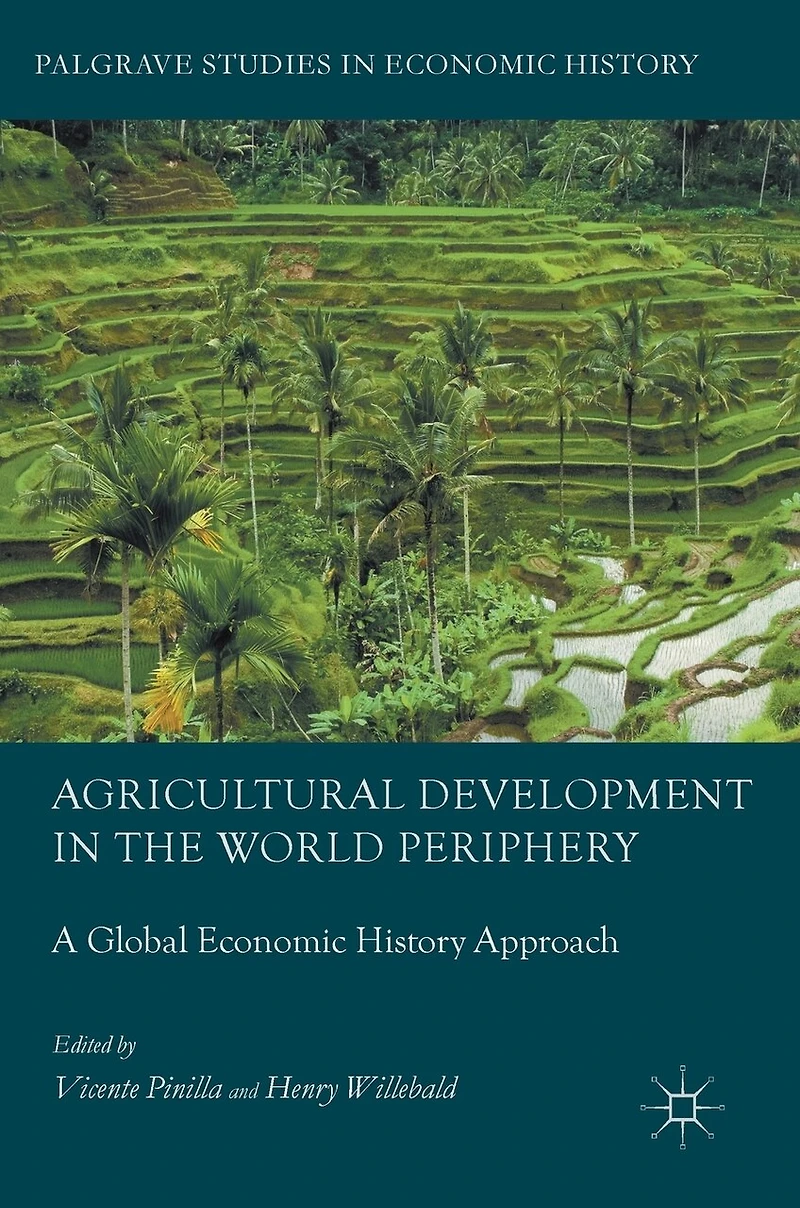
This book brings together analysis on the conditions of agricultural sectors in countries and regions of the world's peripheries, from a wide variety of international contributors. The contributors to this volume proffer an understanding of the processes of agricultural transformations and their interaction with the overall economies of Africa, Asia and Latin America. Looking at the nineteenth and twentieth centuries - the onset of modern economic growth - the book studies the relationship between agriculture and other economic sectors, exploring the use of resources (land, labour, capital) and the influence of institutional and technological factors in the long-run performance of agricultural activities. Pinilla and Willebald challenge the notion that agriculture played a negligible role in promoting economic development in the nineteenth and twentieth centuries, when the impulse towards industrialization in the developing world was more impactful.
This book brings together analysis on the conditions of agricultural sectors in countries and regions of the world's peripheries, from a wide variety of international contributors. The contributors to this volume proffer an understanding of the processes of agricultural transformations and their interaction with the overall economies of Africa, Asia and Latin America. Looking at the nineteenth and twentieth centuries - the onset of modern economic growth - the book studies the relationship between agriculture and other economic sectors, exploring the use of resources (land, labour, capital) and the influence of institutional and technological factors in the long-run performance of agricultural activities. Pinilla and Willebald challenge the notion that agriculture played a negligible role in promoting economic development in the nineteenth and twentieth centuries, when the impulse towards industrialization in the developing world was more impactful.
You May Also Like










Find at Prairie Mall in Grande Prairie, AB
Visit at Prairie Mall in Grande Prairie, AB