


Gifting Made Simple
Give the Gift of ChoiceClick below to purchase a Prairie Mall eGift Card that can be used at participating retailers at Prairie Mall.Buy Gift CardHome
Agricultural cooperatives and socio-economic development
Coles
Loading Inventory...
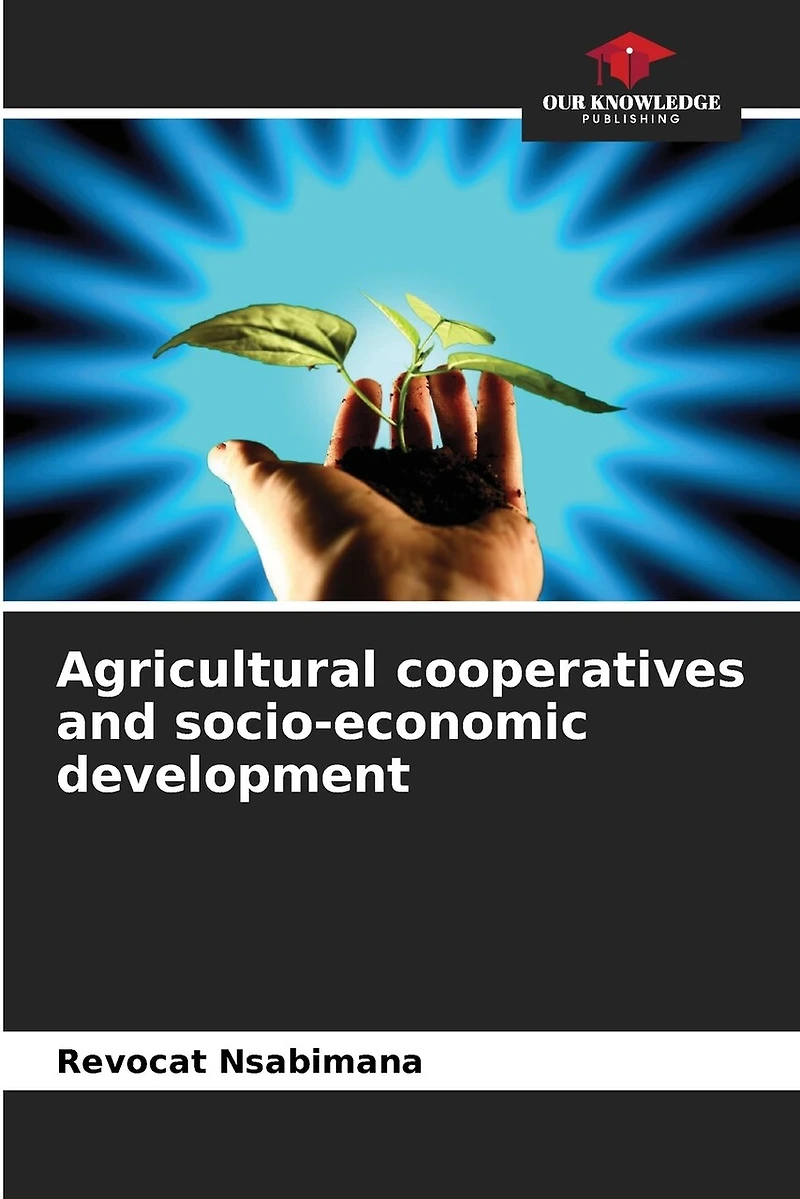
Agricultural cooperatives and socio-economic development in Grande Prairie, AB
Current price: $55.95
Coles
Agricultural cooperatives and socio-economic development in Grande Prairie, AB
Current price: $55.95
Loading Inventory...
Size: Paperback
*Product information and pricing may vary - to confirm current pricing, availability, shipping, and return information please contact Coles. In the event of a pricing discrepancy, the retailer's price will apply.
Agriculture is a fundamental tool for sustainable development and poverty reduction. Yet small-scale farmers still face many problems. These include very high transaction costs, low bargaining power in the input and output market. This problematic situation is particularly noticeable in Africa, where 80% of the population relies on agriculture for their livelihoods. Agriculture-based growth is a proven factor in poverty reduction (AfDB/ADF, 2010). The same situation hinders the socio-economic development of BURUNDI, with the agricultural sector contributing 90% of poverty reduction (SP/REFES-BURUNDI, 2016). To face such challenges, farmers prefer to form various types of producer organisations in both developing and developed countries.
Agriculture is a fundamental tool for sustainable development and poverty reduction. Yet small-scale farmers still face many problems. These include very high transaction costs, low bargaining power in the input and output market. This problematic situation is particularly noticeable in Africa, where 80% of the population relies on agriculture for their livelihoods. Agriculture-based growth is a proven factor in poverty reduction (AfDB/ADF, 2010). The same situation hinders the socio-economic development of BURUNDI, with the agricultural sector contributing 90% of poverty reduction (SP/REFES-BURUNDI, 2016). To face such challenges, farmers prefer to form various types of producer organisations in both developing and developed countries.
You May Also Like








Find at Prairie Mall in Grande Prairie, AB
Visit at Prairie Mall in Grande Prairie, AB