


Gifting Made Simple
Give the Gift of ChoiceClick below to purchase a Prairie Mall eGift Card that can be used at participating retailers at Prairie Mall.Buy Gift CardHome
Agricultural Adaptation To A Changing Climate: Economic And Environmental Implications Vary By U.s. Region
Coles
Loading Inventory...
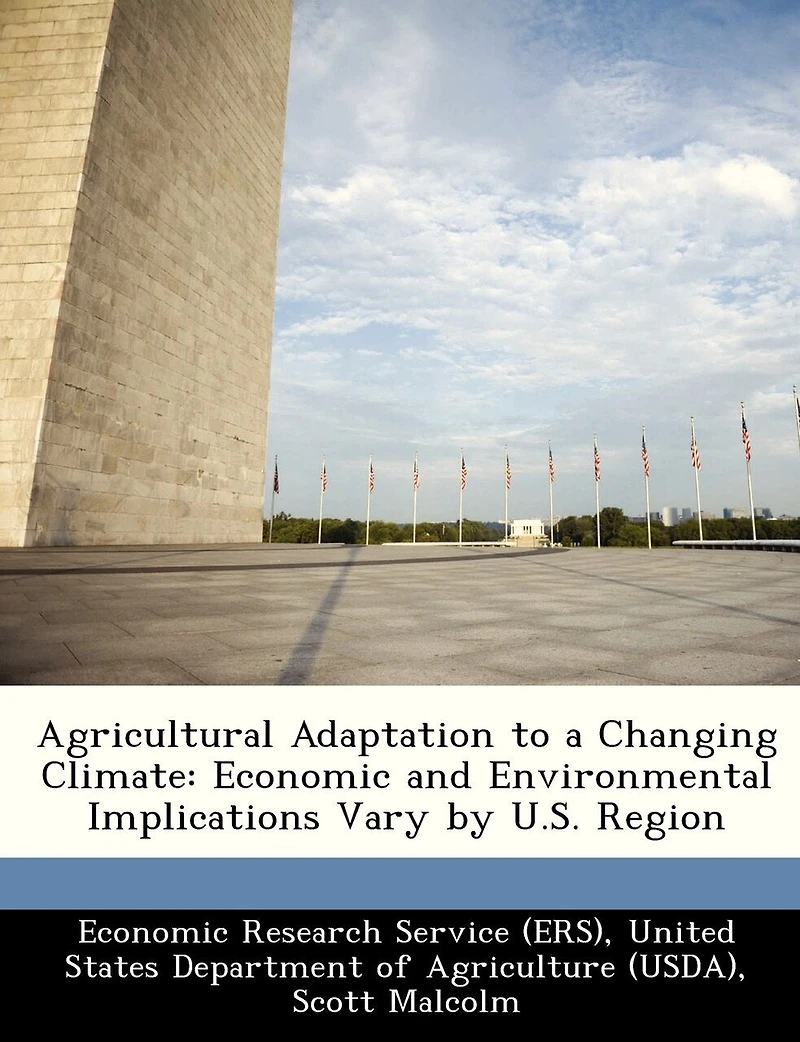
Agricultural Adaptation To A Changing Climate: Economic And Environmental Implications Vary By U.s. Region in Grande Prairie, AB
Current price: $21.99
Coles
Agricultural Adaptation To A Changing Climate: Economic And Environmental Implications Vary By U.s. Region in Grande Prairie, AB
Current price: $21.99
Loading Inventory...
Size: Paperback
*Product information and pricing may vary - to confirm current pricing, availability, shipping, and return information please contact Coles. In the event of a pricing discrepancy, the retailer's price will apply.
Global climate models predict increases over time in average temperature worldwide, with significant impacts on local patterns of temperature and precipitation. The extent to which such changes present a risk to food supplies, farmer livelihoods, and rural communities depends in part on the direction, magnitude, and rate of such changes, but equally importantly on the ability of the agricultural sector to adapt to changing patterns of yield and productivity, production cost, and resource availability. Study findings suggest that, while impacts are highly sensitive to uncertain climate projections, farmers have considerable flexibility to adapt to changes in local weather, resource conditions, and price signals by adjusting crops, rotations, and production practices. Such adaptation, using existing crop production technologies, can partially mitigate the impacts of climate change on national agricultural markets. Adaptive redistribution of production, however, may have significant implications for both regional land use and environmental quality.
Global climate models predict increases over time in average temperature worldwide, with significant impacts on local patterns of temperature and precipitation. The extent to which such changes present a risk to food supplies, farmer livelihoods, and rural communities depends in part on the direction, magnitude, and rate of such changes, but equally importantly on the ability of the agricultural sector to adapt to changing patterns of yield and productivity, production cost, and resource availability. Study findings suggest that, while impacts are highly sensitive to uncertain climate projections, farmers have considerable flexibility to adapt to changes in local weather, resource conditions, and price signals by adjusting crops, rotations, and production practices. Such adaptation, using existing crop production technologies, can partially mitigate the impacts of climate change on national agricultural markets. Adaptive redistribution of production, however, may have significant implications for both regional land use and environmental quality.
You May Also Like










Find at Prairie Mall in Grande Prairie, AB
Visit at Prairie Mall in Grande Prairie, AB