


Gifting Made Simple
Give the Gift of ChoiceClick below to purchase a Prairie Mall eGift Card that can be used at participating retailers at Prairie Mall.Buy Gift CardHome
Agrarian Puerto Rico: Reconsidering Rural Economy and Society, 1899–1940
Coles
Loading Inventory...
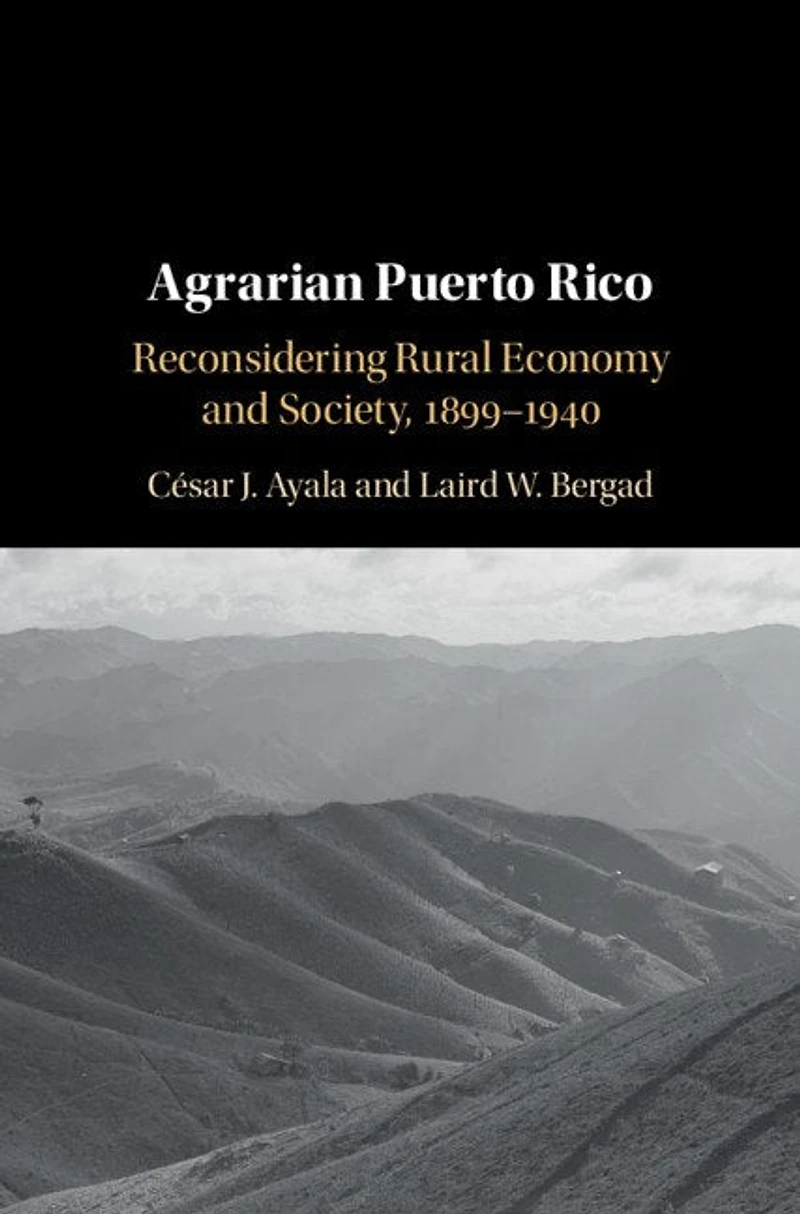
Agrarian Puerto Rico: Reconsidering Rural Economy and Society, 1899–1940 in Grande Prairie, AB
Current price: $152.95
Coles
Agrarian Puerto Rico: Reconsidering Rural Economy and Society, 1899–1940 in Grande Prairie, AB
Current price: $152.95
Loading Inventory...
Size: Hardcover
*Product information and pricing may vary - to confirm current pricing, availability, shipping, and return information please contact Coles. In the event of a pricing discrepancy, the retailer's price will apply.
Fundamental tenets of colonial historiography are challenged by showing that US capital investment into this colony did not lead to the disappearance of the small farmer. Contrary to well-established narratives, quantitative data show that the increasing integration of rural producers within the US market led to differential outcomes, depending on pre-existing land tenure structures, capital requirements to initiate production, and demographics. These new data suggest that the colonial economy was not polarized into landless Puerto Rican rural workers on one side and corporate US capitalists on the other. The persistence of Puerto Rican small farmers in some regions and the expansion of local property ownership and production disprove this socioeconomic model. Other aspects of extant Puerto Rican historiography are confronted in order to make room for thorough analyses and new conclusions on the economy of colonial Puerto Rico during the early twentieth century.
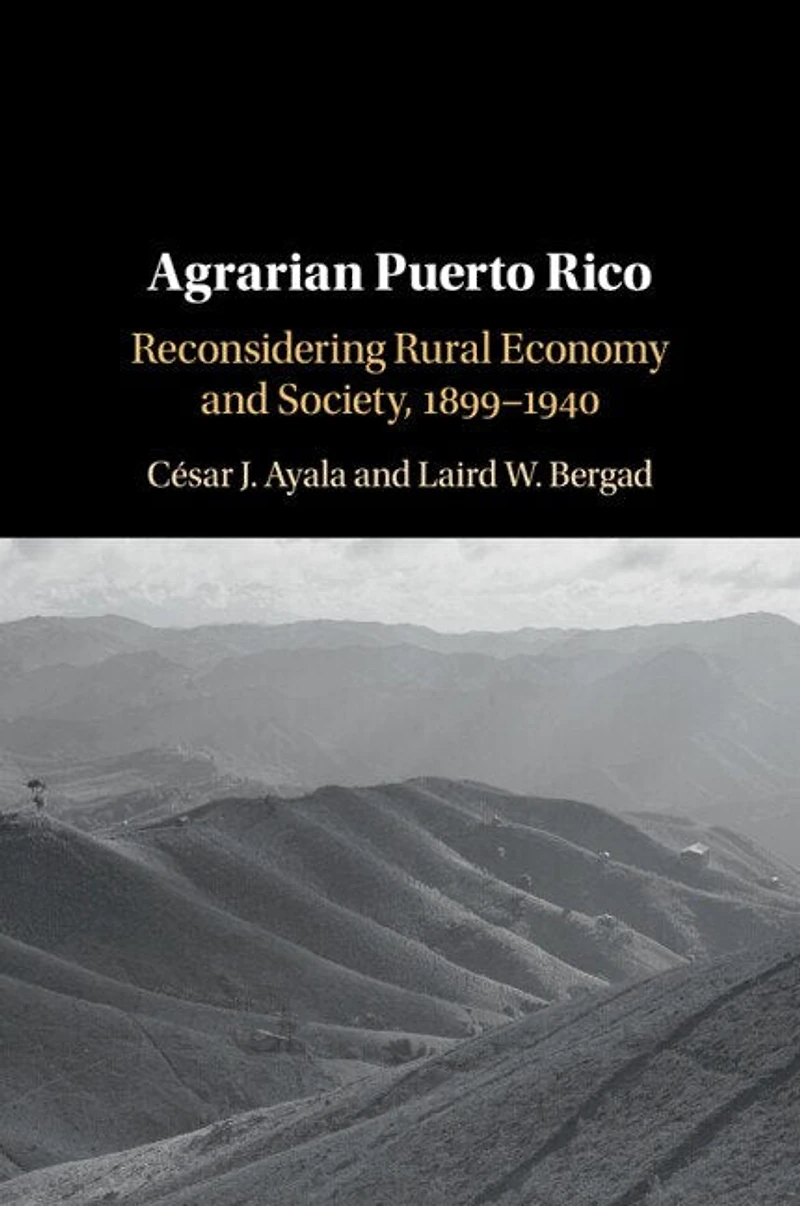
Fundamental tenets of colonial historiography are challenged by showing that US capital investment into this colony did not lead to the disappearance of the small farmer. Contrary to well-established narratives, quantitative data show that the increasing integration of rural producers within the US market led to differential outcomes, depending on pre-existing land tenure structures, capital requirements to initiate production, and demographics. These new data suggest that the colonial economy was not polarized into landless Puerto Rican rural workers on one side and corporate US capitalists on the other. The persistence of Puerto Rican small farmers in some regions and the expansion of local property ownership and production disprove this socioeconomic model. Other aspects of extant Puerto Rican historiography are confronted in order to make room for thorough analyses and new conclusions on the economy of colonial Puerto Rico during the early twentieth century.
You May Also Like













Find at Prairie Mall in Grande Prairie, AB
Visit at Prairie Mall in Grande Prairie, AB