


Gifting Made Simple
Give the Gift of ChoiceClick below to purchase a Prairie Mall eGift Card that can be used at participating retailers at Prairie Mall.Buy Gift CardHome
Aging of the Genome: the dual role of DNA in life and death
Coles
Loading Inventory...
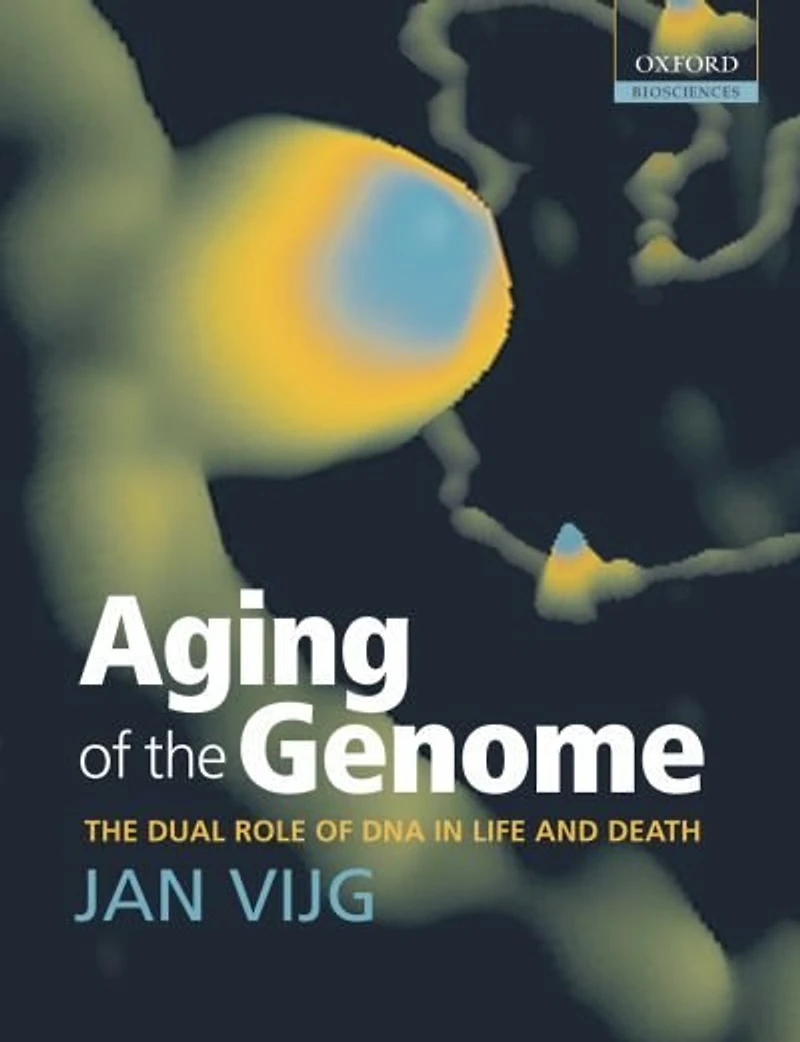
Aging of the Genome: the dual role of DNA in life and death in Grande Prairie, AB
Current price: $128.04
Coles
Aging of the Genome: the dual role of DNA in life and death in Grande Prairie, AB
Current price: $128.04
Loading Inventory...
Size: Paperback
*Product information and pricing may vary - to confirm current pricing, availability, shipping, and return information please contact Coles. In the event of a pricing discrepancy, the retailer's price will apply.
Aging has long since been ascribed to the gradual accumulation of DNA mutations in the genome of somatic cells. However, it is only recently that the necessary sophisticated technology has been developed to begin testing this theory and its consequences. Vijg critically reviews the concept of genomic instability as a possible universal cause of aging in the context of a new, holistic understanding of genome functioning in complex organisms resulting from recent advances in functional genomics and systems biology. It provides an up-to-date synthesis of current research, as well as a look ahead to the design of strategies to retard or reverse the deleterious effects of aging. This is particularly important in a time when we are urgently trying to unravel the genetic component of aging-related diseases. Moreover, there is a growing public recognition of the imperative of understanding more about the underlying biology of aging, driven by continuing demographic change.
Aging has long since been ascribed to the gradual accumulation of DNA mutations in the genome of somatic cells. However, it is only recently that the necessary sophisticated technology has been developed to begin testing this theory and its consequences. Vijg critically reviews the concept of genomic instability as a possible universal cause of aging in the context of a new, holistic understanding of genome functioning in complex organisms resulting from recent advances in functional genomics and systems biology. It provides an up-to-date synthesis of current research, as well as a look ahead to the design of strategies to retard or reverse the deleterious effects of aging. This is particularly important in a time when we are urgently trying to unravel the genetic component of aging-related diseases. Moreover, there is a growing public recognition of the imperative of understanding more about the underlying biology of aging, driven by continuing demographic change.
You May Also Like














Find at Prairie Mall in Grande Prairie, AB
Visit at Prairie Mall in Grande Prairie, AB