


Gifting Made Simple
Give the Gift of ChoiceClick below to purchase a Prairie Mall eGift Card that can be used at participating retailers at Prairie Mall.Buy Gift CardHome
Aggrieved Labor Strikes Back: Inter-sectoral Mobility, Conditionality
Coles
Loading Inventory...
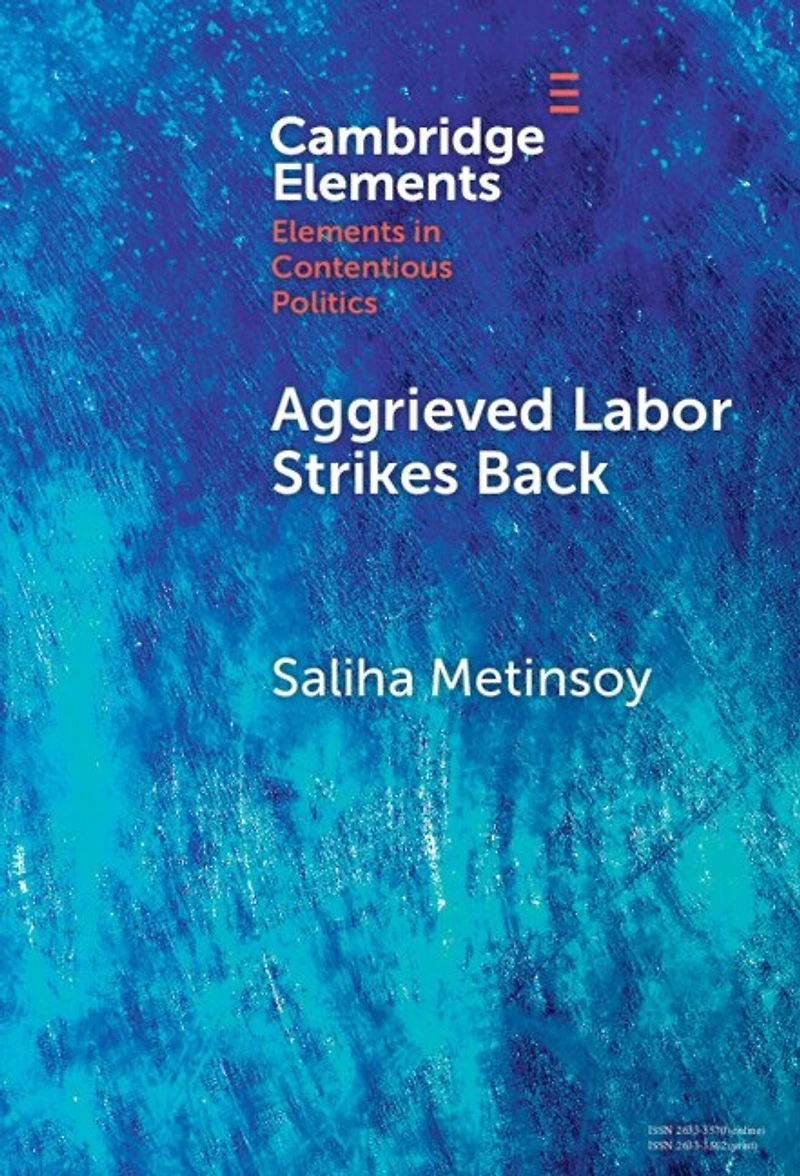
Aggrieved Labor Strikes Back: Inter-sectoral Mobility, Conditionality in Grande Prairie, AB
Current price: $94.73
Coles
Aggrieved Labor Strikes Back: Inter-sectoral Mobility, Conditionality in Grande Prairie, AB
Current price: $94.73
Loading Inventory...
Size: Hardcover
*Product information and pricing may vary - to confirm current pricing, availability, shipping, and return information please contact Coles. In the event of a pricing discrepancy, the retailer's price will apply.
Why do we see large-scale labor protests and strikes under some IMF programs such as in Greece in 2010 and not in others such as in Ireland in the same year? This Element argues that extensive labor market reform conditions in an immobile labor market generate strong opposition to programs. Labor market reform conditions that decentralize and open up an immobile labor market cause workers either to lose in terms of rights and benefits, while being stuck in the same job or to fall into a less protected sector with fewer benefits. Conversely, in more mobile labor markets, wage and benefit differentials are low, and movement across sectors is easier. In such markets, labor groups do not mobilize to the same extent to block programs. The author tests this theory in a global sample and explores the causal mechanism in four case studies on Greece, Ireland, Latvia, and Portugal.
Why do we see large-scale labor protests and strikes under some IMF programs such as in Greece in 2010 and not in others such as in Ireland in the same year? This Element argues that extensive labor market reform conditions in an immobile labor market generate strong opposition to programs. Labor market reform conditions that decentralize and open up an immobile labor market cause workers either to lose in terms of rights and benefits, while being stuck in the same job or to fall into a less protected sector with fewer benefits. Conversely, in more mobile labor markets, wage and benefit differentials are low, and movement across sectors is easier. In such markets, labor groups do not mobilize to the same extent to block programs. The author tests this theory in a global sample and explores the causal mechanism in four case studies on Greece, Ireland, Latvia, and Portugal.
You May Also Like


















Find at Prairie Mall in Grande Prairie, AB
Visit at Prairie Mall in Grande Prairie, AB