


Gifting Made Simple
Give the Gift of ChoiceClick below to purchase a Prairie Mall eGift Card that can be used at participating retailers at Prairie Mall.Buy Gift CardHome
Agentive Cognitive Construction Grammar: Mind, Agency and the Materiality of Language: Agentive Cognitive Construction Grammar
Coles
Loading Inventory...
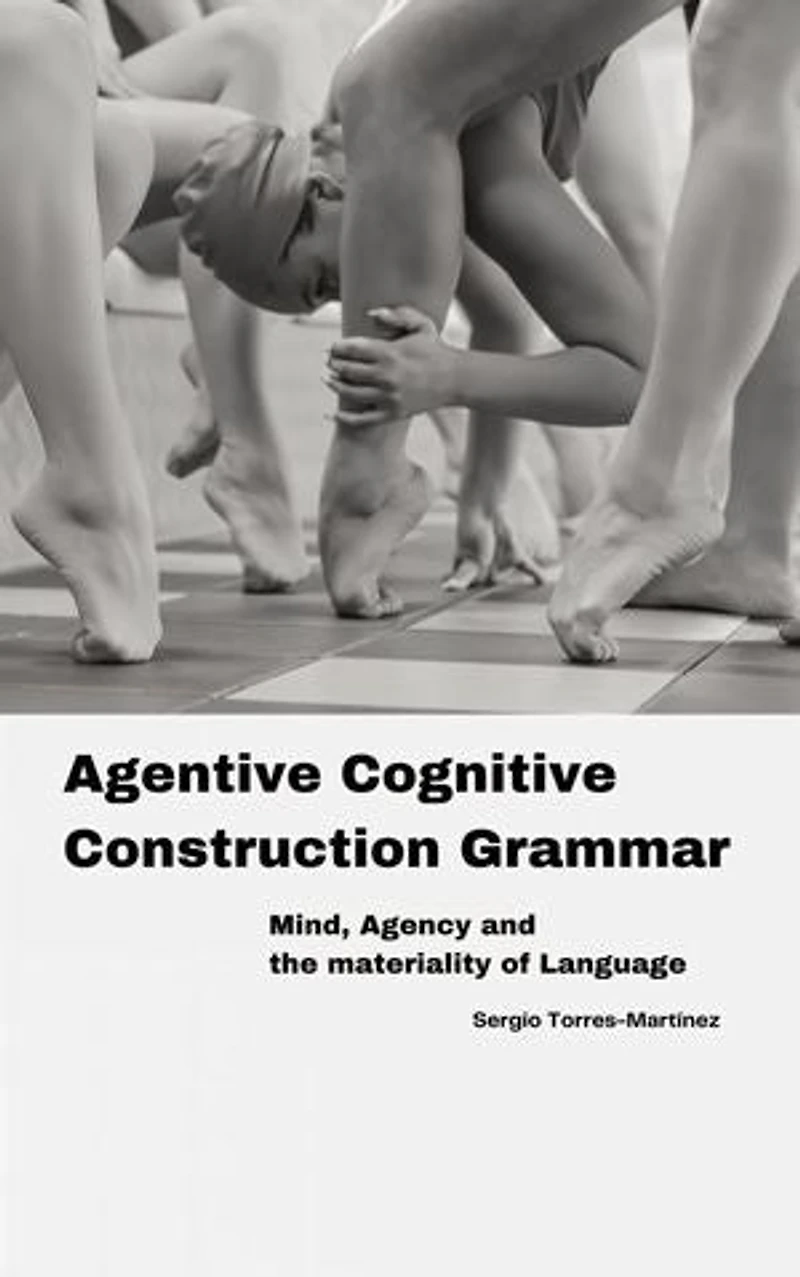
Agentive Cognitive Construction Grammar: Mind, Agency and the Materiality of Language: Agentive Cognitive Construction Grammar in Grande Prairie, AB
Current price: $55.99
Coles
Agentive Cognitive Construction Grammar: Mind, Agency and the Materiality of Language: Agentive Cognitive Construction Grammar in Grande Prairie, AB
Current price: $55.99
Loading Inventory...
Size: Kobo eBook
*Product information and pricing may vary - to confirm current pricing, availability, shipping, and return information please contact Coles. In the event of a pricing discrepancy, the retailer's price will apply.
Agentive Cognitive Construction Gramma r (AgCCxG) redefines language as an adaptive, embodied semiotic system shaped by cognition, interaction, and prediction. Rooted in Peircean semiotics and Active Inference, it sees speakers as agent-interpretants adjusting semiotic representations based on need-driven processes rather than rigid hierarchies. Rejecting dualism, AgCCxG highlights the interplay between semiotic agency, embodied cognition, and adaptive mechanisms, emphasizing the triadic nature of signs—icons, indices, and symbols—as key to meaning-making. By framing language as an evolving system of cognitive adjustment, it underscores the deep integration of linguistic structures with sensorimotor processes, showing that language is not a static symbolic code but a dynamic tool for constructing the world.
Agentive Cognitive Construction Gramma r (AgCCxG) redefines language as an adaptive, embodied semiotic system shaped by cognition, interaction, and prediction. Rooted in Peircean semiotics and Active Inference, it sees speakers as agent-interpretants adjusting semiotic representations based on need-driven processes rather than rigid hierarchies. Rejecting dualism, AgCCxG highlights the interplay between semiotic agency, embodied cognition, and adaptive mechanisms, emphasizing the triadic nature of signs—icons, indices, and symbols—as key to meaning-making. By framing language as an evolving system of cognitive adjustment, it underscores the deep integration of linguistic structures with sensorimotor processes, showing that language is not a static symbolic code but a dynamic tool for constructing the world.
You May Also Like



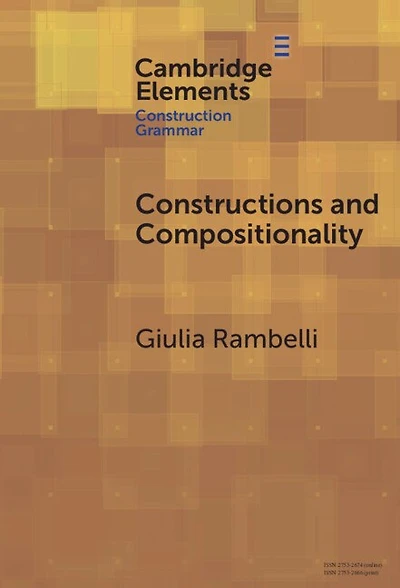








Find at Prairie Mall in Grande Prairie, AB
Visit at Prairie Mall in Grande Prairie, AB