


Gifting Made Simple
Give the Gift of ChoiceClick below to purchase a Prairie Mall eGift Card that can be used at participating retailers at Prairie Mall.Buy Gift CardHome
Age-Friendly Cities and Communities International Comparison: Political Lessons, Scientific Avenues, Democratic Issues
Coles
Loading Inventory...
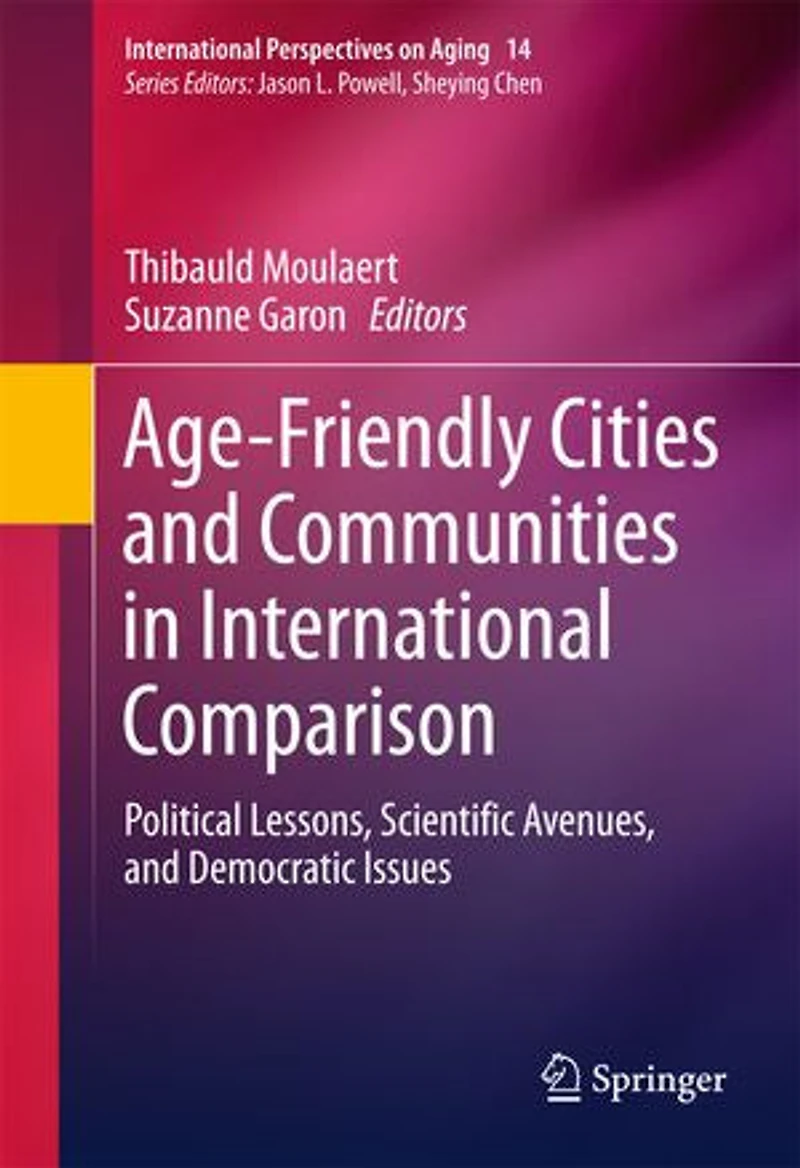
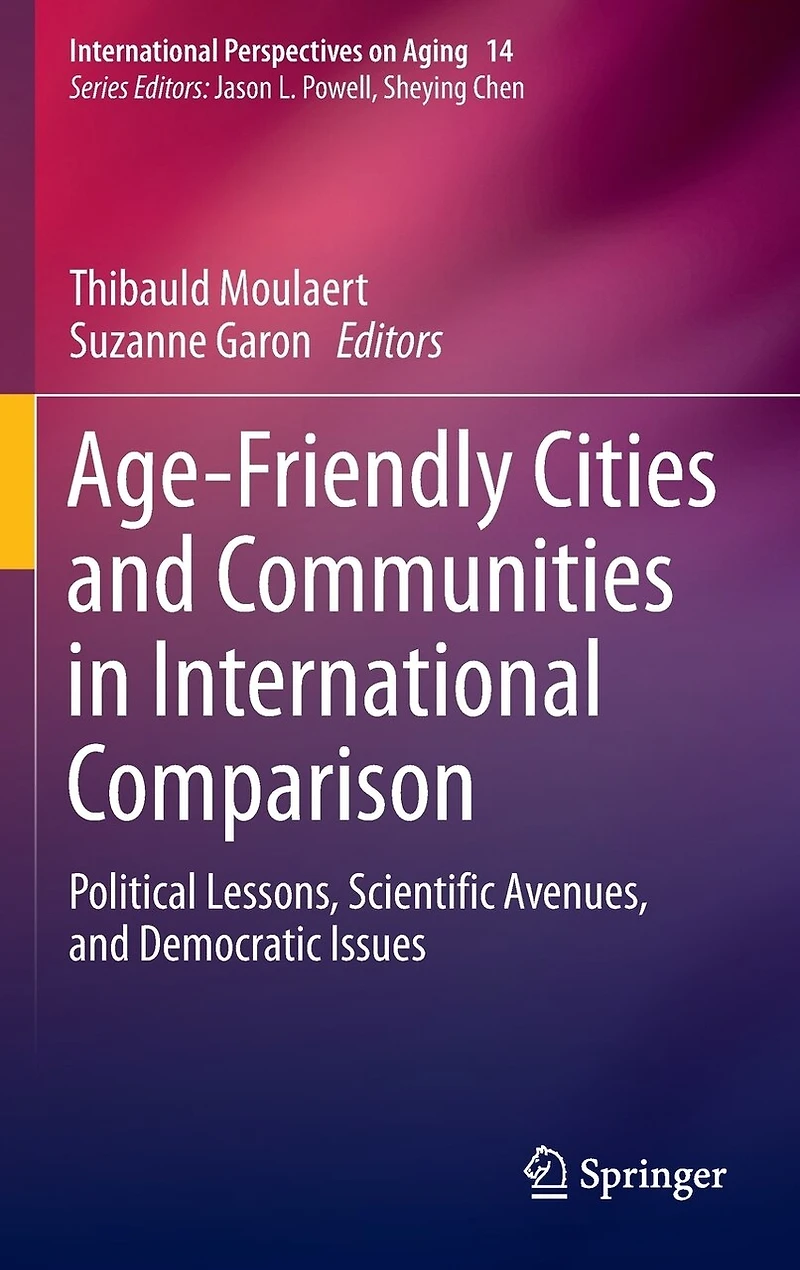
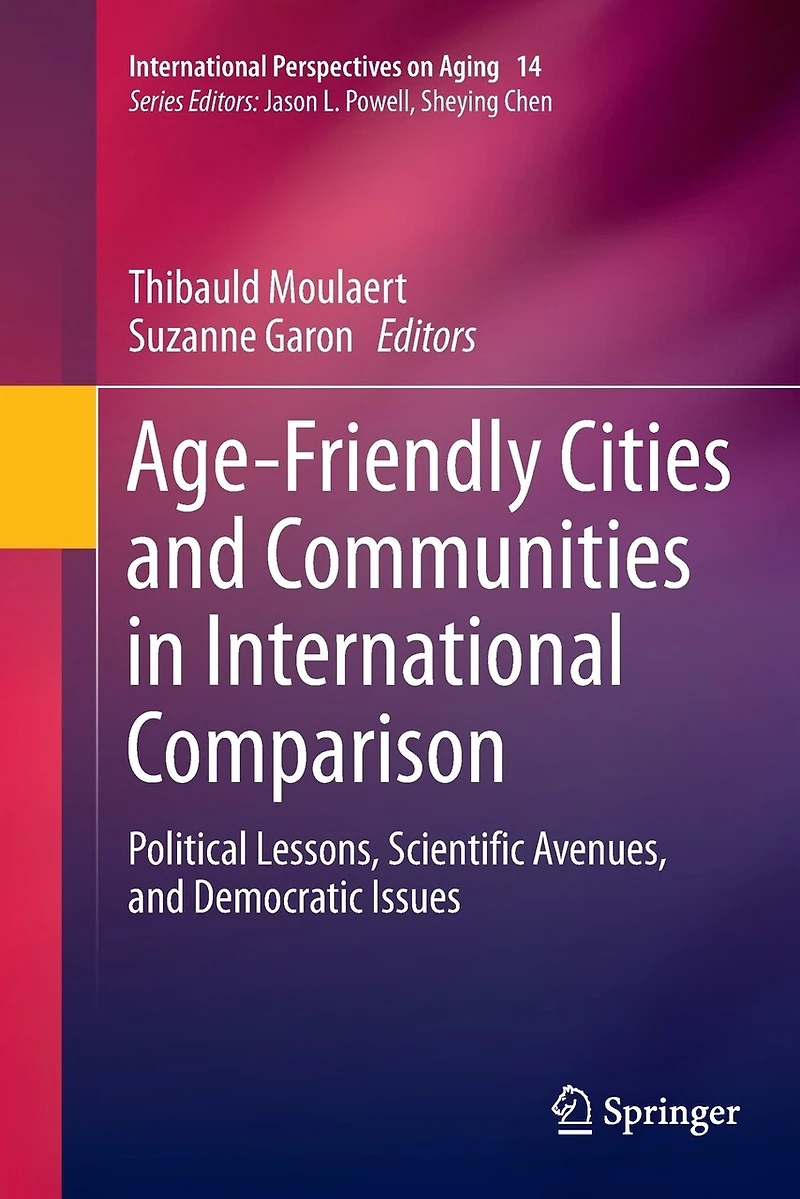
Age-Friendly Cities and Communities International Comparison: Political Lessons, Scientific Avenues, Democratic Issues in Grande Prairie, AB
Current price: $180.69
Original price: $225.75
Coles
Age-Friendly Cities and Communities International Comparison: Political Lessons, Scientific Avenues, Democratic Issues in Grande Prairie, AB
Current price: $180.69
Original price: $225.75
Loading Inventory...
Size: Kobo eBook
*Product information and pricing may vary - to confirm current pricing, availability, shipping, and return information please contact Coles. In the event of a pricing discrepancy, the retailer's price will apply.
The supportive role of urban spaces in active aging is explored on a world scale in this unique resource, using the WHO's Age-Friendly Cities and Community model. Case studies from the U.S., Canada, Australia, Hong Kong, and elsewhere demonstrate how the model translates to fit diverse social, political, and economic realities across cultures and continents, ways age-friendly programs promote senior empowerment, and how their value can be effectively assessed. Age-friendly criteria for communities are defined and critiqued while extensive empirical data describe challenges as they affect elders globally and how environmental support can help meet them. These chapters offer age-friendly cities as a corrective to the overemphasis on the medical aspects of elders' lives, and should inspire new research, practice, and public policy. Included in the coverage:
A critical review of the WHO Age-Friendly Cities Methodology and its implementation.
Seniors' perspectives on age-friendly communities.
The implementation of age-friendly cities in three districts of Argentina.
Age-friendly New York City: a case study.
Toward an age-friendly European Union.
Age-friendliness, childhood, and dementia: toward generationally intelligent environments.
With its balance of attention to universal and culture-specific concerns, Age-Friendly Cities and Communities in International Comparison will be of particular interest to sociologists, gerontologists, and policymakers. " Given the rapid adoption of the age-friendly perspective, following its development by the World Health Organization, the critical assessment offered in this volume is especially welcome ". Professor Chris Phillipson, University of Manchester
The supportive role of urban spaces in active aging is explored on a world scale in this unique resource, using the WHO's Age-Friendly Cities and Community model. Case studies from the U.S., Canada, Australia, Hong Kong, and elsewhere demonstrate how the model translates to fit diverse social, political, and economic realities across cultures and continents, ways age-friendly programs promote senior empowerment, and how their value can be effectively assessed. Age-friendly criteria for communities are defined and critiqued while extensive empirical data describe challenges as they affect elders globally and how environmental support can help meet them. These chapters offer age-friendly cities as a corrective to the overemphasis on the medical aspects of elders' lives, and should inspire new research, practice, and public policy. Included in the coverage:
A critical review of the WHO Age-Friendly Cities Methodology and its implementation.
Seniors' perspectives on age-friendly communities.
The implementation of age-friendly cities in three districts of Argentina.
Age-friendly New York City: a case study.
Toward an age-friendly European Union.
Age-friendliness, childhood, and dementia: toward generationally intelligent environments.
With its balance of attention to universal and culture-specific concerns, Age-Friendly Cities and Communities in International Comparison will be of particular interest to sociologists, gerontologists, and policymakers. " Given the rapid adoption of the age-friendly perspective, following its development by the World Health Organization, the critical assessment offered in this volume is especially welcome ". Professor Chris Phillipson, University of Manchester
You May Also Like

















Find at Prairie Mall in Grande Prairie, AB
Visit at Prairie Mall in Grande Prairie, AB