


Gifting Made Simple
Give the Gift of ChoiceClick below to purchase a Prairie Mall eGift Card that can be used at participating retailers at Prairie Mall.Buy Gift CardHome
Agape and the Four Loves with Nietzsche, Father, Q: A Physiology of Reconciliation from Greeks to Today
Coles
Loading Inventory...
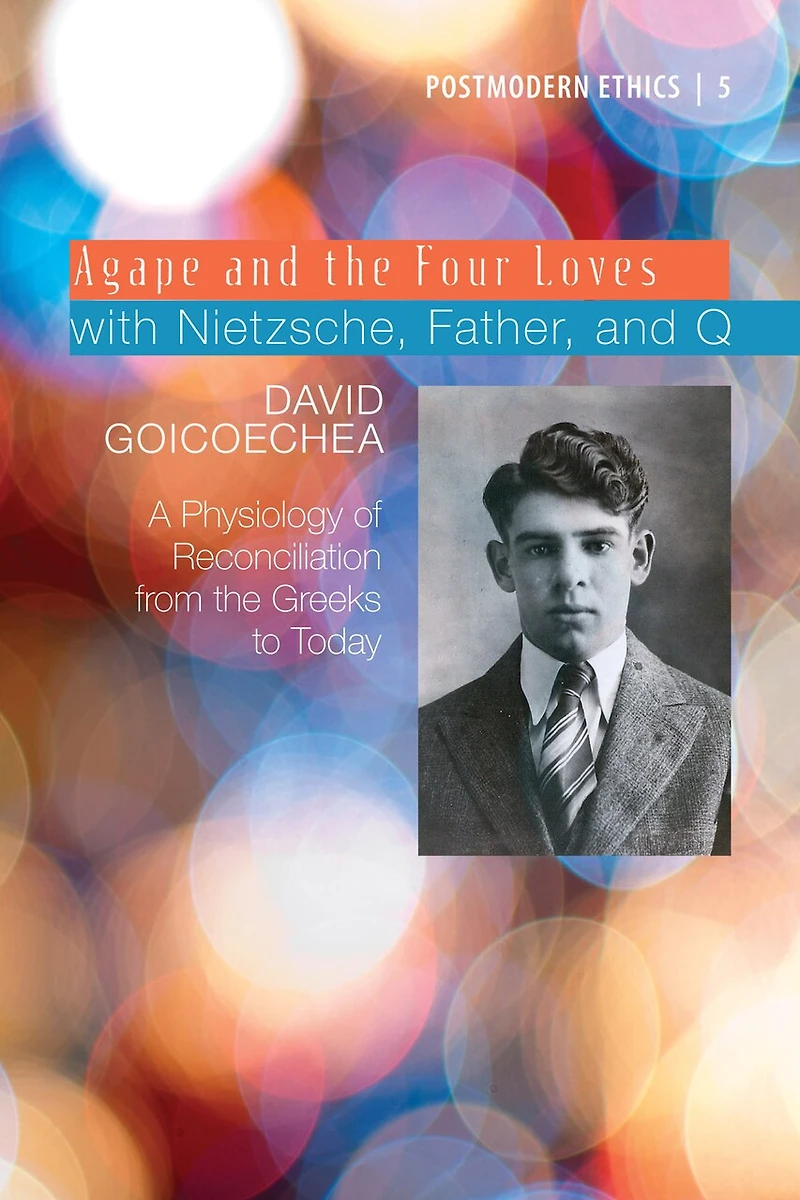
Agape and the Four Loves with Nietzsche, Father, Q: A Physiology of Reconciliation from Greeks to Today in Grande Prairie, AB
Current price: $101.33
Coles
Agape and the Four Loves with Nietzsche, Father, Q: A Physiology of Reconciliation from Greeks to Today in Grande Prairie, AB
Current price: $101.33
Loading Inventory...
Size: Hardcover
*Product information and pricing may vary - to confirm current pricing, availability, shipping, and return information please contact Coles. In the event of a pricing discrepancy, the retailer's price will apply.
Goicoechea explains Nietzsche's thesis that the agapeic love of Jesus is humankind's highest affirmation, even for sinners like the author's father, Joe Goicoechea, who lived it out existentially. Already before the Q scholars, Nietzsche saw this love as the essence of the Sermon on the Mount and based his philosophy upon it. Throughout the Catholic tradition agape fulfilled the affection of Empedocles, the eros of Plato, the friendship of Aristotle, and the agape of Plotinus. While, as Anders Nygren shows, modernists protested such syntheses, now postmodernists once again let agape and the four loves contribute to one another.
Goicoechea explains Nietzsche's thesis that the agapeic love of Jesus is humankind's highest affirmation, even for sinners like the author's father, Joe Goicoechea, who lived it out existentially. Already before the Q scholars, Nietzsche saw this love as the essence of the Sermon on the Mount and based his philosophy upon it. Throughout the Catholic tradition agape fulfilled the affection of Empedocles, the eros of Plato, the friendship of Aristotle, and the agape of Plotinus. While, as Anders Nygren shows, modernists protested such syntheses, now postmodernists once again let agape and the four loves contribute to one another.
You May Also Like










Find at Prairie Mall in Grande Prairie, AB
Visit at Prairie Mall in Grande Prairie, AB