


Gifting Made Simple
Give the Gift of ChoiceClick below to purchase a Prairie Mall eGift Card that can be used at participating retailers at Prairie Mall.Buy Gift CardHome
Afterlives of Endor: Witchcraft, Theatricality, and Uncertainty from the "Malleus Maleficarum" to Shakespeare
Coles
Loading Inventory...
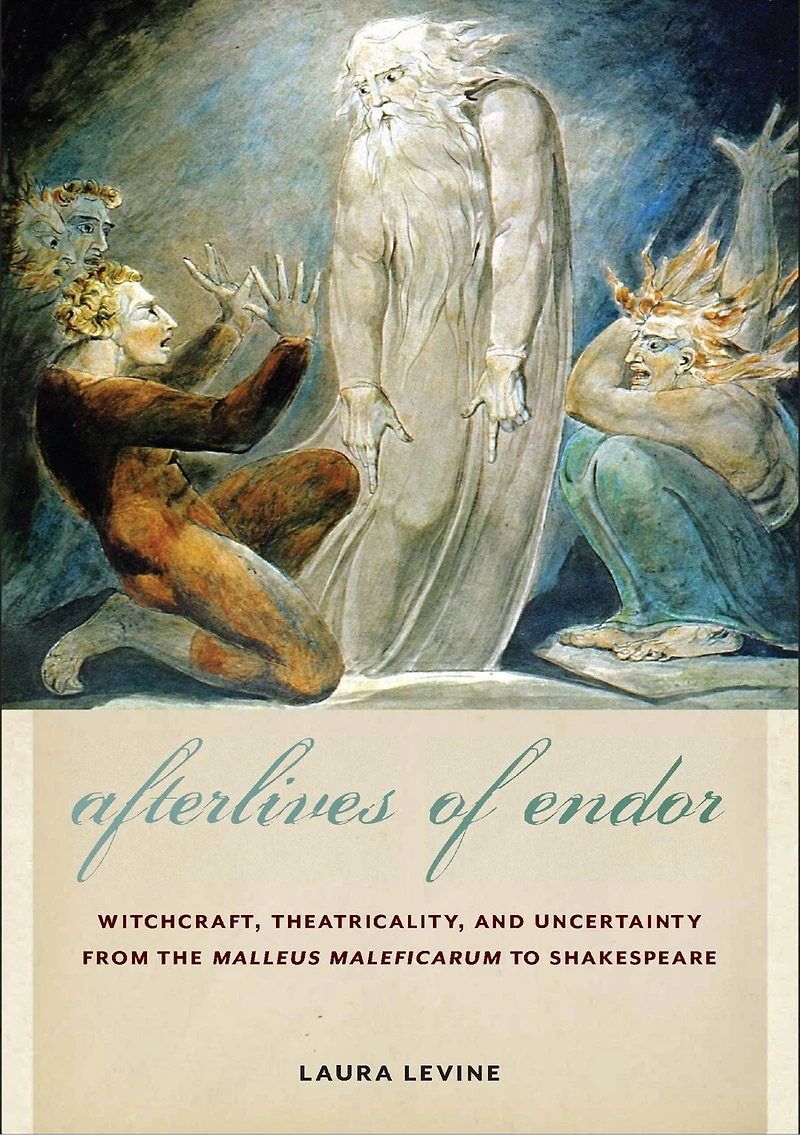
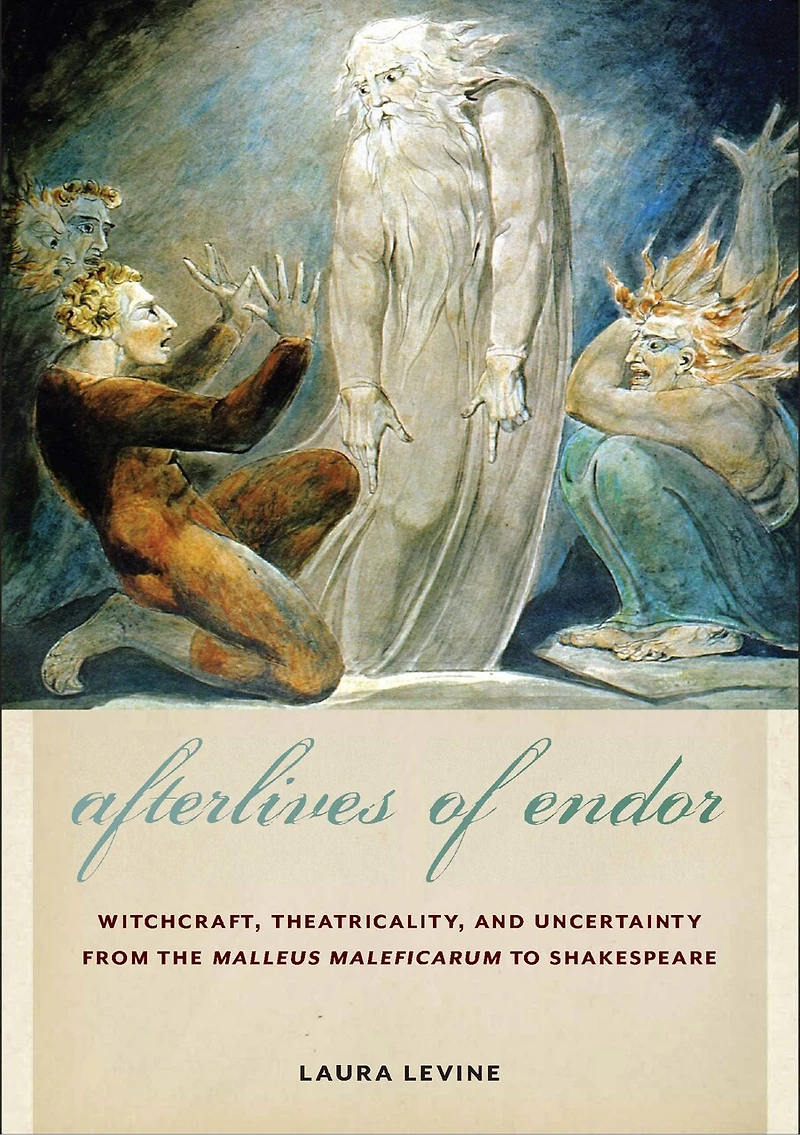
Afterlives of Endor: Witchcraft, Theatricality, and Uncertainty from the "Malleus Maleficarum" to Shakespeare
By None
Current price: $195.95
Coles
Afterlives of Endor: Witchcraft, Theatricality, and Uncertainty from the "Malleus Maleficarum" to Shakespeare
By None
Current price: $195.95
Loading Inventory...
Size: Hardcover
*Product information and pricing may vary - to confirm current pricing, availability, shipping, and return information please contact Coles. In the event of a pricing discrepancy, the retailer's price will apply.
Afterlives of Endor offers an analysis of the way early modern English literature addressed the period's anxieties about witchcraft and theatricality. What determined whether or not a demonologist imagined a trial as a spectacle? What underlying epistemological constraints governed such choices and what conceptions of witchcraft did these choices reveal? Pairing readings of demonological texts with canonical plays and poetry, Laura Levine examines such questions. Through analyses of manuals and pamphlets about the prosecution of witches?including Reginald Scot's skeptical The Discoverie of Witchcraft (1584), King James VI/I's Daemonologie (1597), and Jean Bodin's De la Demonomanie des Sorciers (1580)?Afterlives of Endor examines the way literary texts such as Shakespeare's The Winter's Tale and The Tempest, Spenser's The Faerie Queene, and Marlowe's Tragicall History of Doctor Faustus address anxieties about witchcraft, illusion, and theatricality. Afterlives of Endor attends to the rhetorical tactics, argumentative investments, and underlying tensions of demonological texts with the scrutiny ordinarily reserved for literary texts.
Afterlives of Endor offers an analysis of the way early modern English literature addressed the period's anxieties about witchcraft and theatricality. What determined whether or not a demonologist imagined a trial as a spectacle? What underlying epistemological constraints governed such choices and what conceptions of witchcraft did these choices reveal? Pairing readings of demonological texts with canonical plays and poetry, Laura Levine examines such questions. Through analyses of manuals and pamphlets about the prosecution of witches?including Reginald Scot's skeptical The Discoverie of Witchcraft (1584), King James VI/I's Daemonologie (1597), and Jean Bodin's De la Demonomanie des Sorciers (1580)?Afterlives of Endor examines the way literary texts such as Shakespeare's The Winter's Tale and The Tempest, Spenser's The Faerie Queene, and Marlowe's Tragicall History of Doctor Faustus address anxieties about witchcraft, illusion, and theatricality. Afterlives of Endor attends to the rhetorical tactics, argumentative investments, and underlying tensions of demonological texts with the scrutiny ordinarily reserved for literary texts.
You May Also Like









More About Coles at Prairie Mall
11801 100 St #104, Grande Prairie, AB T8V 3Y2, Canada
Find Coles at Prairie Mall in Grande Prairie, AB
Visit Coles at Prairie Mall in Grande Prairie, AB