


Gifting Made Simple
Give the Gift of ChoiceClick below to purchase a Prairie Mall eGift Card that can be used at participating retailers at Prairie Mall.Buy Gift CardHome
After the Death of God: Secularization as a Philosophical Challenge from Kant to Nietzsche
Coles
Loading Inventory...

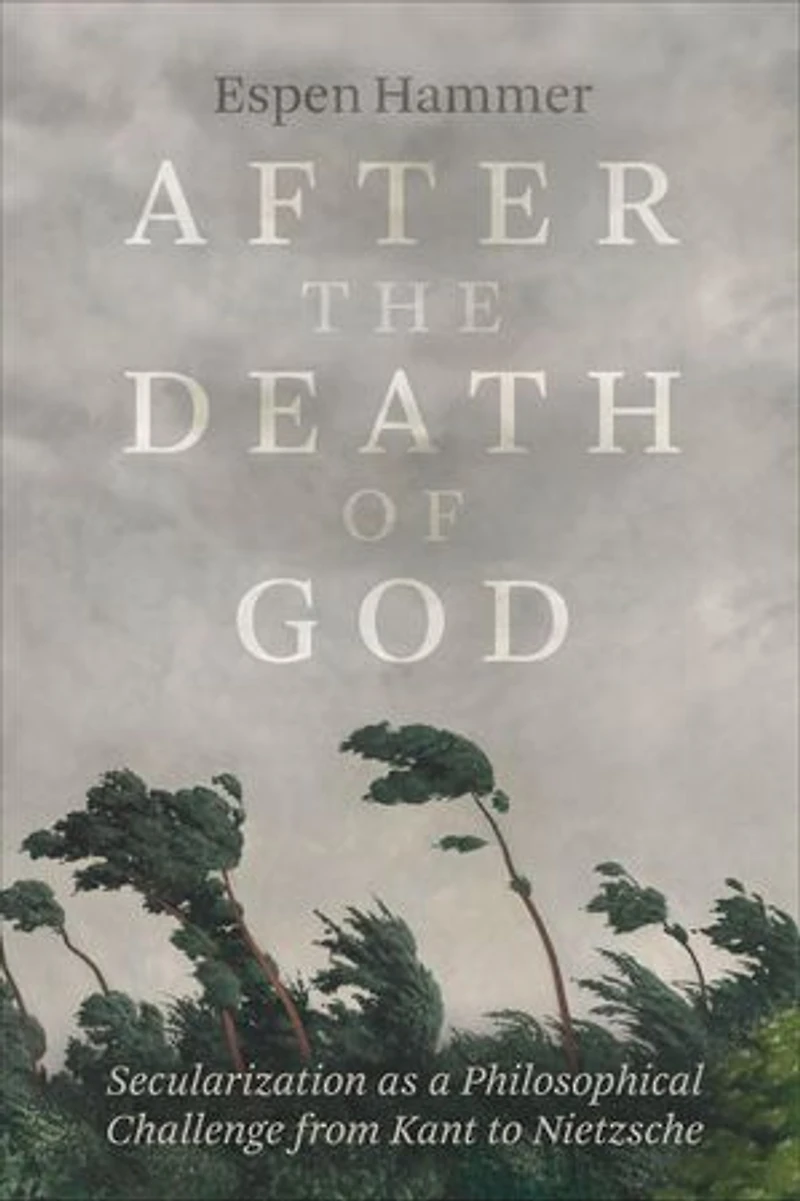
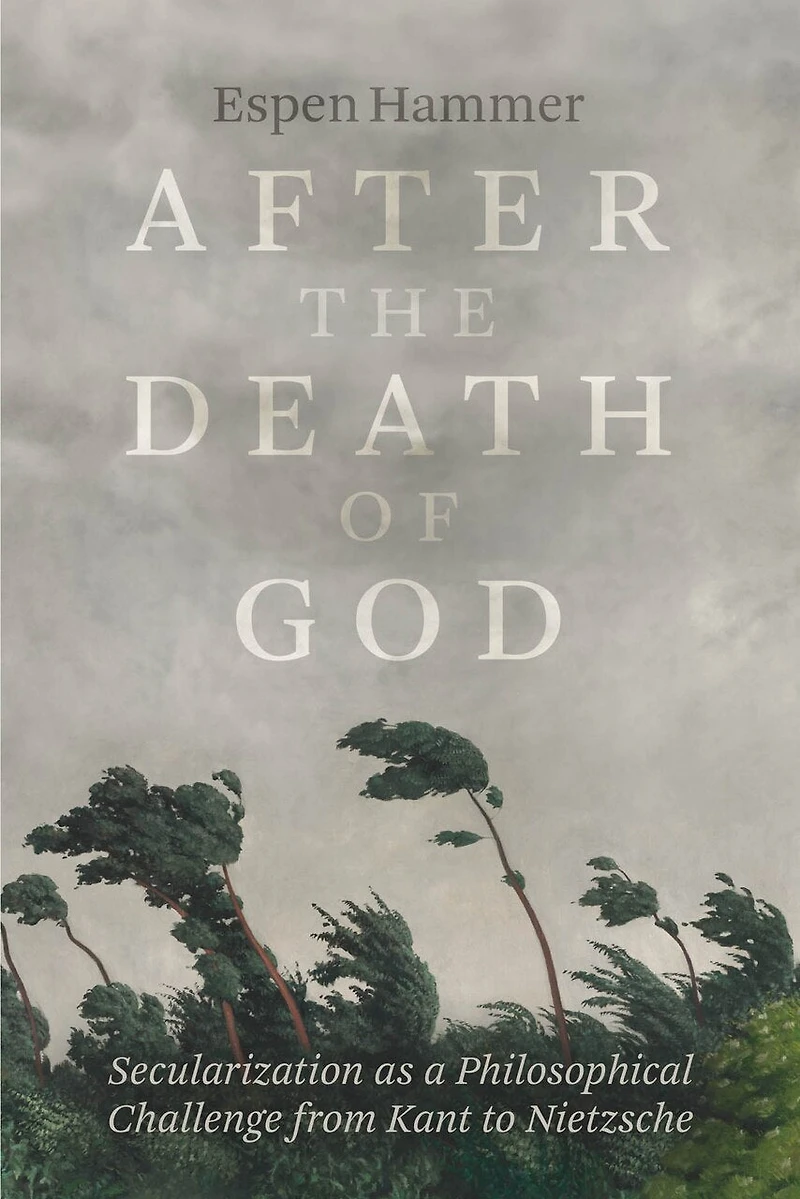
After the Death of God: Secularization as a Philosophical Challenge from Kant to Nietzsche in Grande Prairie, AB
Current price: $149.50
Coles
After the Death of God: Secularization as a Philosophical Challenge from Kant to Nietzsche in Grande Prairie, AB
Current price: $149.50
Loading Inventory...
Size: Hardcover
*Product information and pricing may vary - to confirm current pricing, availability, shipping, and return information please contact Coles. In the event of a pricing discrepancy, the retailer's price will apply.
A fresh history of nineteenth-century philosophy’s many ideas about secularization.
The secularization thesis, which held that religious belief would gradually yield to rationality, has been thoroughly debunked. What, then, can we learn from philosophers for whom the death of God seemed so imminent? In this book, Espen Hammer offers a sweeping analysis of secularization in nineteenth-century German philosophy, arguing that the persistence of religion (rather than its absence) animated this tradition. Hammer shows that Kant, Hegel, Feuerbach, Marx, and Nietzsche, each in their own way, sought to preserve and transform religion’s ethical and communal aspirations for modern life. A renewed appreciation for this tradition’s generous thought, Hammer argues, can help us chart a path through needlessly destructive conflicts between secularists and fundamentalists today.
A fresh history of nineteenth-century philosophy’s many ideas about secularization.
The secularization thesis, which held that religious belief would gradually yield to rationality, has been thoroughly debunked. What, then, can we learn from philosophers for whom the death of God seemed so imminent? In this book, Espen Hammer offers a sweeping analysis of secularization in nineteenth-century German philosophy, arguing that the persistence of religion (rather than its absence) animated this tradition. Hammer shows that Kant, Hegel, Feuerbach, Marx, and Nietzsche, each in their own way, sought to preserve and transform religion’s ethical and communal aspirations for modern life. A renewed appreciation for this tradition’s generous thought, Hammer argues, can help us chart a path through needlessly destructive conflicts between secularists and fundamentalists today.
You May Also Like











Find at Prairie Mall in Grande Prairie, AB
Visit at Prairie Mall in Grande Prairie, AB