


Gifting Made Simple
Give the Gift of ChoiceClick below to purchase a Prairie Mall eGift Card that can be used at participating retailers at Prairie Mall.Buy Gift CardHome
After Lincoln Lib/E: How the North Won Civil War and Lost Peace
Coles
Loading Inventory...
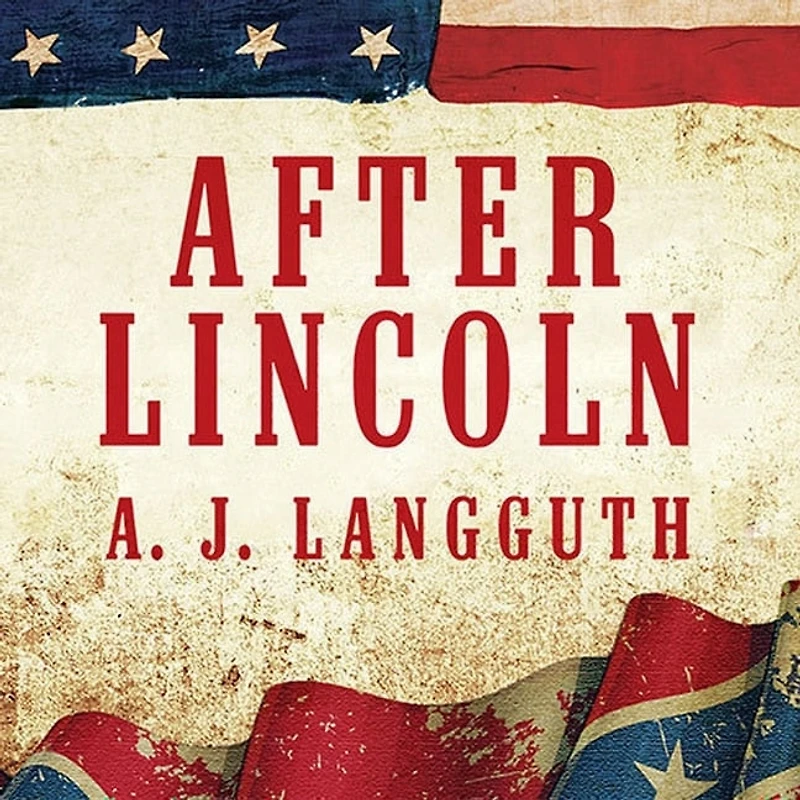
After Lincoln Lib/E: How the North Won Civil War and Lost Peace in Grande Prairie, AB
Current price: $50.99
Coles
After Lincoln Lib/E: How the North Won Civil War and Lost Peace in Grande Prairie, AB
Current price: $50.99
Loading Inventory...
Size: Audiobook (2014 A)
*Product information and pricing may vary - to confirm current pricing, availability, shipping, and return information please contact Coles. In the event of a pricing discrepancy, the retailer's price will apply.
With Abraham Lincoln's assassination, his team of rivals was left adrift. President Andrew Johnson, a former slave owner from Tennessee, was challenged by Northern Congressmen, Radical Republicans led by Thaddeus Stephens and Charles Sumner, who wanted to punish the defeated South. When Johnson's policies placated the rebels at the expense of the freed black men, radicals in the House impeached him for trying to fire Secretary of War Edwin Stanton. Johnson was saved from removal by one vote in the Senate trial, presided over by Salmon Chase. Even William Seward, Lincoln's closest ally in his cabinet, seemed to waver. By the 1868 election, united Republicans nominated Ulysses Grant, Lincoln's winning Union general. His attempts to reconcile Southerners with the Union and to quash the rising Ku Klux Klan were undercut by postwar greed and corruption during his two terms. Reconstruction died unofficially in 1887 when Republican Rutherford Hayes joined with the Democrats in a deal that removed the last federal troops from South Carolina and Louisiana. In 1964, President Lyndon Johnson signed a bill with protections first proposed in 1872 by Charles Sumner, the Radical senator from Massachusetts.
With Abraham Lincoln's assassination, his team of rivals was left adrift. President Andrew Johnson, a former slave owner from Tennessee, was challenged by Northern Congressmen, Radical Republicans led by Thaddeus Stephens and Charles Sumner, who wanted to punish the defeated South. When Johnson's policies placated the rebels at the expense of the freed black men, radicals in the House impeached him for trying to fire Secretary of War Edwin Stanton. Johnson was saved from removal by one vote in the Senate trial, presided over by Salmon Chase. Even William Seward, Lincoln's closest ally in his cabinet, seemed to waver. By the 1868 election, united Republicans nominated Ulysses Grant, Lincoln's winning Union general. His attempts to reconcile Southerners with the Union and to quash the rising Ku Klux Klan were undercut by postwar greed and corruption during his two terms. Reconstruction died unofficially in 1887 when Republican Rutherford Hayes joined with the Democrats in a deal that removed the last federal troops from South Carolina and Louisiana. In 1964, President Lyndon Johnson signed a bill with protections first proposed in 1872 by Charles Sumner, the Radical senator from Massachusetts.
You May Also Like









Find at Prairie Mall in Grande Prairie, AB
Visit at Prairie Mall in Grande Prairie, AB