


Gifting Made Simple
Give the Gift of ChoiceClick below to purchase a Prairie Mall eGift Card that can be used at participating retailers at Prairie Mall.Buy Gift CardHome
African Soccerscapes: How a Continent Changed the World’s Game
Coles
Loading Inventory...
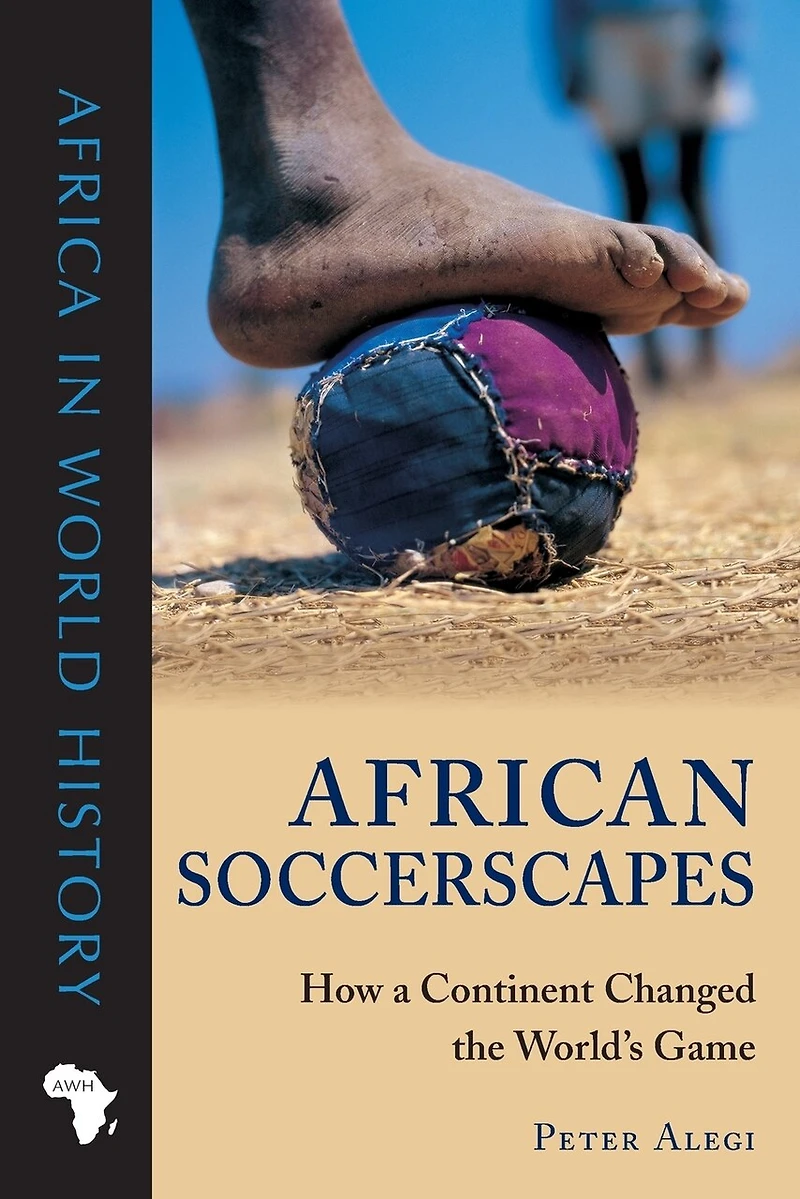
African Soccerscapes: How a Continent Changed the World’s Game in Grande Prairie, AB
Current price: $38.95
Coles
African Soccerscapes: How a Continent Changed the World’s Game in Grande Prairie, AB
Current price: $38.95
Loading Inventory...
Size: Paperback
*Product information and pricing may vary - to confirm current pricing, availability, shipping, and return information please contact Coles. In the event of a pricing discrepancy, the retailer's price will apply.
From Accra and Algiers to Zanzibar and Zululand, Africans have wrested control of soccer from the hands of Europeans, and through the rise of different playing styles, the rituals of spectatorship, and the presence of magicians and healers, have turned soccer into a distinctively African activity. African Soccerscapes explores how Africans adopted soccer for their own reasons and on their own terms. Soccer was a rare form of “national culture” in postcolonial Africa, where stadiums and clubhouses became arenas in which Africans challenged colonial power and expressed a commitment to racial equality and self-determination. New nations staged matches as part of their independence celexadbrations and joined the world body, FIFA. The Confédération africaine de football democratized the global game through antiapartheid sanctions and increased the number of African teams in the World Cup finals. In this compact, highly readable book Alegi shows that the result of this success has been the departure of huge numbers of players to overseas clubs and the growing influence of private commercial interests on the African game. But the growth of women’s soccer and South Africa’s hosting of the 2010 World Cup also challenge the one-dimensional notion of Africa as a backward, “tribal” continent populated by victims of war, corruption, famine, and disease.
From Accra and Algiers to Zanzibar and Zululand, Africans have wrested control of soccer from the hands of Europeans, and through the rise of different playing styles, the rituals of spectatorship, and the presence of magicians and healers, have turned soccer into a distinctively African activity. African Soccerscapes explores how Africans adopted soccer for their own reasons and on their own terms. Soccer was a rare form of “national culture” in postcolonial Africa, where stadiums and clubhouses became arenas in which Africans challenged colonial power and expressed a commitment to racial equality and self-determination. New nations staged matches as part of their independence celexadbrations and joined the world body, FIFA. The Confédération africaine de football democratized the global game through antiapartheid sanctions and increased the number of African teams in the World Cup finals. In this compact, highly readable book Alegi shows that the result of this success has been the departure of huge numbers of players to overseas clubs and the growing influence of private commercial interests on the African game. But the growth of women’s soccer and South Africa’s hosting of the 2010 World Cup also challenge the one-dimensional notion of Africa as a backward, “tribal” continent populated by victims of war, corruption, famine, and disease.
You May Also Like











Find at Prairie Mall in Grande Prairie, AB
Visit at Prairie Mall in Grande Prairie, AB