


Gifting Made Simple
Give the Gift of ChoiceClick below to purchase a Prairie Mall eGift Card that can be used at participating retailers at Prairie Mall.Buy Gift CardHome
African Capitalism: The Struggle for Ascendency
Coles
Loading Inventory...
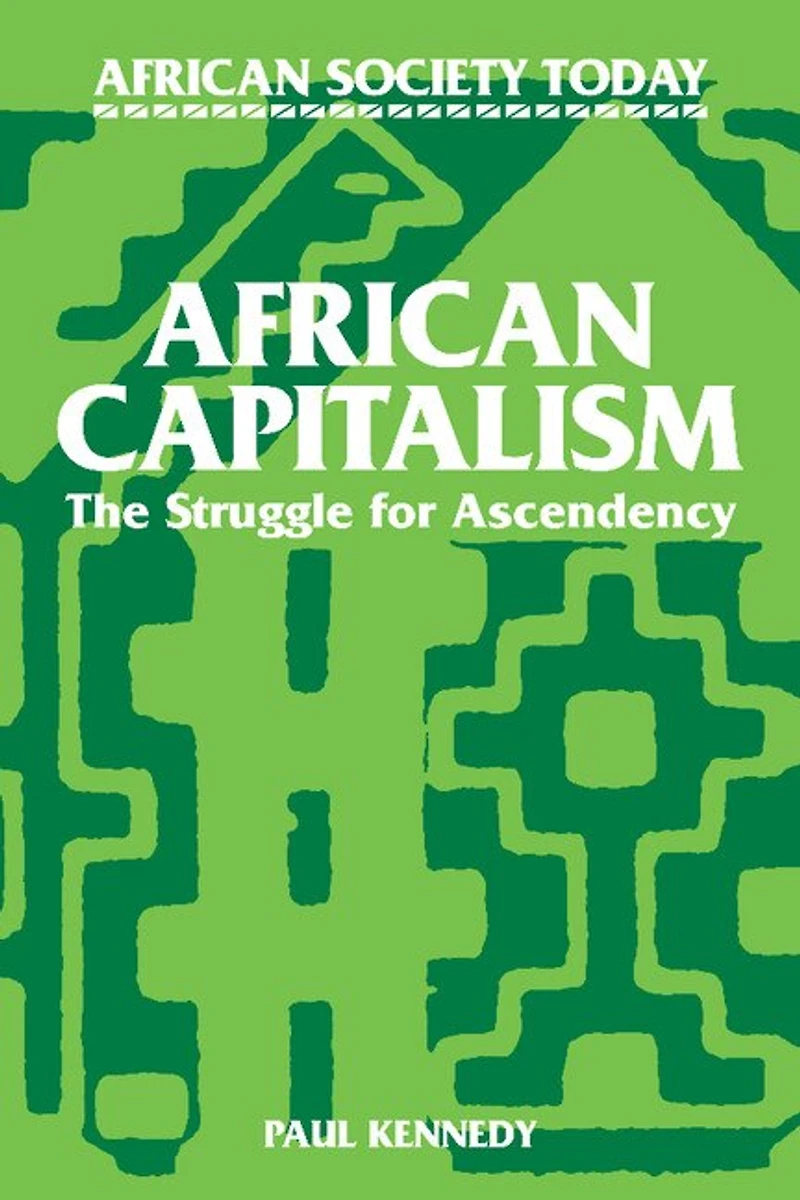
African Capitalism: The Struggle for Ascendency in Grande Prairie, AB
Current price: $53.95
Coles
African Capitalism: The Struggle for Ascendency in Grande Prairie, AB
Current price: $53.95
Loading Inventory...
Size: Paperback
*Product information and pricing may vary - to confirm current pricing, availability, shipping, and return information please contact Coles. In the event of a pricing discrepancy, the retailer's price will apply.
For many years, the prevailing view of African capitalism stressed its dependence on state and foreign capital and therefore its inability to make a significant contribution to African development. Drawing upon material from a number of countries and a range of academic disciplines, this 1988 book provides an analysis of African capitalism which offers a much more positive view of its role. The book suggests that a number of major constraints have combined to obstruct the emergence of dynamic African capitalist bourgeoisies: foreign competition, the cultural climate, the dependency factor in African economic life, the evolving class structure, the quality of indigenous enterprise and the nature of politics, ideology and state power. All these are assessed and found to be significant, but in the final analysis, it has been in the arena of politics and ideology, centred on the struggle to exercise state power, that the fate of private indigenous capitalism has so often been determined.
For many years, the prevailing view of African capitalism stressed its dependence on state and foreign capital and therefore its inability to make a significant contribution to African development. Drawing upon material from a number of countries and a range of academic disciplines, this 1988 book provides an analysis of African capitalism which offers a much more positive view of its role. The book suggests that a number of major constraints have combined to obstruct the emergence of dynamic African capitalist bourgeoisies: foreign competition, the cultural climate, the dependency factor in African economic life, the evolving class structure, the quality of indigenous enterprise and the nature of politics, ideology and state power. All these are assessed and found to be significant, but in the final analysis, it has been in the arena of politics and ideology, centred on the struggle to exercise state power, that the fate of private indigenous capitalism has so often been determined.
You May Also Like













Find at Prairie Mall in Grande Prairie, AB
Visit at Prairie Mall in Grande Prairie, AB