


Gifting Made Simple
Give the Gift of ChoiceClick below to purchase a Prairie Mall eGift Card that can be used at participating retailers at Prairie Mall.Buy Gift CardHome
African Americans of Wichita
Coles
Loading Inventory...
African Americans of Wichita in Grande Prairie, AB
Current price: $17.96
Coles
African Americans of Wichita in Grande Prairie, AB
Current price: $17.96
Loading Inventory...
Size: Kobo eBook
*Product information and pricing may vary - to confirm current pricing, availability, shipping, and return information please contact Coles. In the event of a pricing discrepancy, the retailer's price will apply.
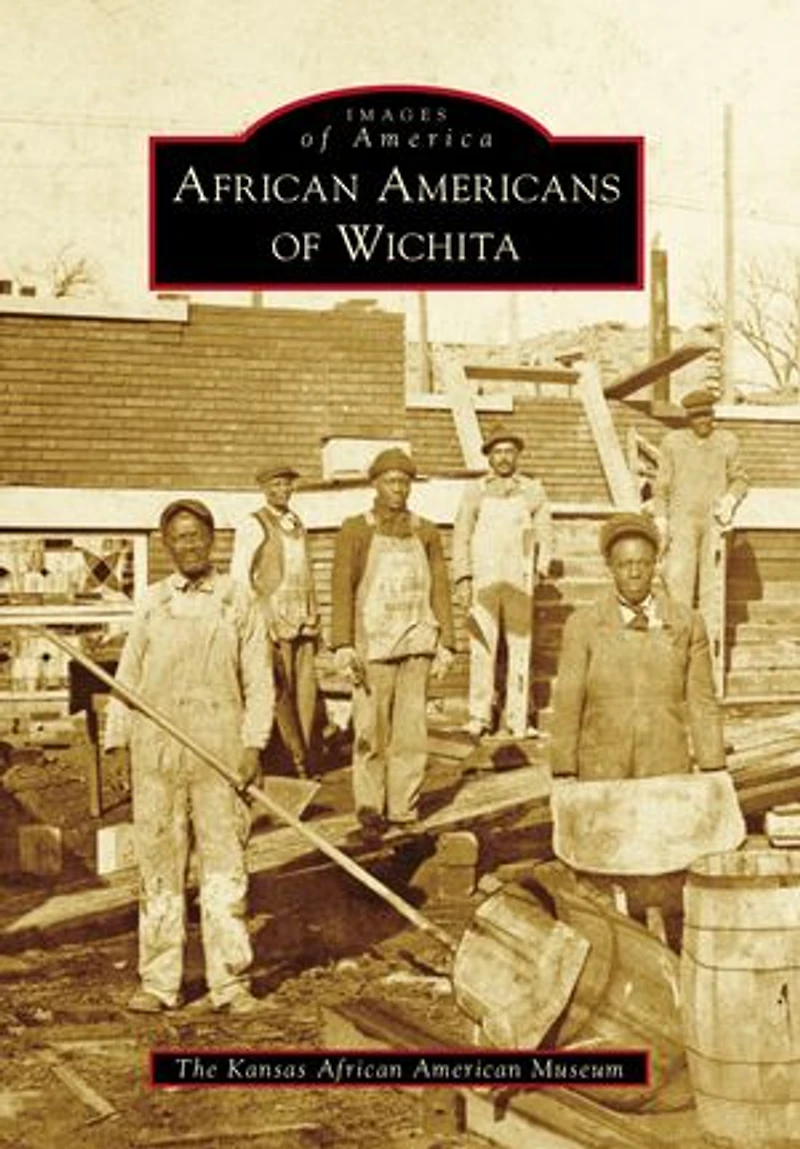
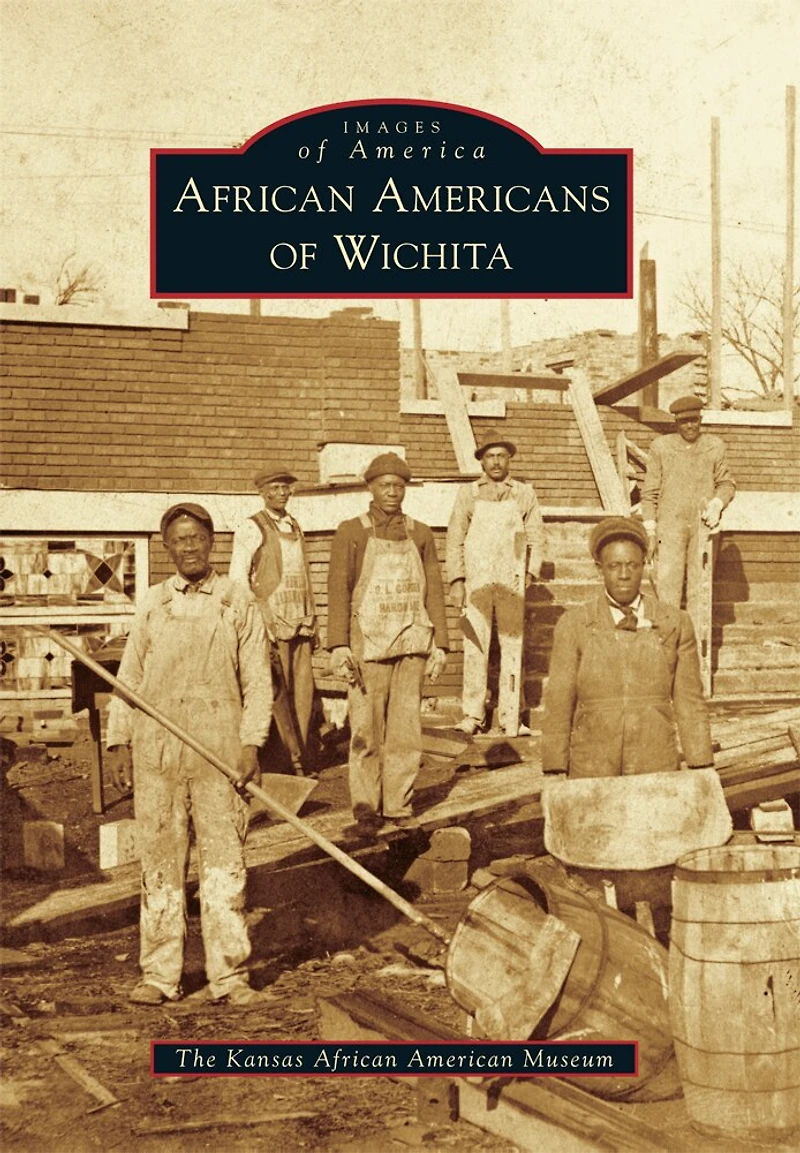
The African American community of Wichita is as old as the city itself, dating back to early pioneers, cowboys, and business figures. Once relatively integrated, Wichita became more segregated as the 20th century unfolded. In response, African Americans developed a lively neighborhood downtown with its own businesses, churches, schools, and organizations. World War II brought new populations to work in the aircraft industry and set the stage for profound changes. In the 1950s, a younger generation of leaders challenged racism and discrimination, unleashing a period of change that was both hopeful and painful. In recent years, the African American community has become more complex, with generations of established families joined by recent transplants, emigrants from Africa, and children of mixed marriages. While challenges remain, African Americans are more visible than ever before in local life, evident in politics, business, sports, and education.
The African American community of Wichita is as old as the city itself, dating back to early pioneers, cowboys, and business figures. Once relatively integrated, Wichita became more segregated as the 20th century unfolded. In response, African Americans developed a lively neighborhood downtown with its own businesses, churches, schools, and organizations. World War II brought new populations to work in the aircraft industry and set the stage for profound changes. In the 1950s, a younger generation of leaders challenged racism and discrimination, unleashing a period of change that was both hopeful and painful. In recent years, the African American community has become more complex, with generations of established families joined by recent transplants, emigrants from Africa, and children of mixed marriages. While challenges remain, African Americans are more visible than ever before in local life, evident in politics, business, sports, and education.
You May Also Like











Find at Prairie Mall in Grande Prairie, AB
Visit at Prairie Mall in Grande Prairie, AB