


Gifting Made Simple
Give the Gift of ChoiceClick below to purchase a Prairie Mall eGift Card that can be used at participating retailers at Prairie Mall.Buy Gift CardHome
Africa Urban History
Coles
Loading Inventory...
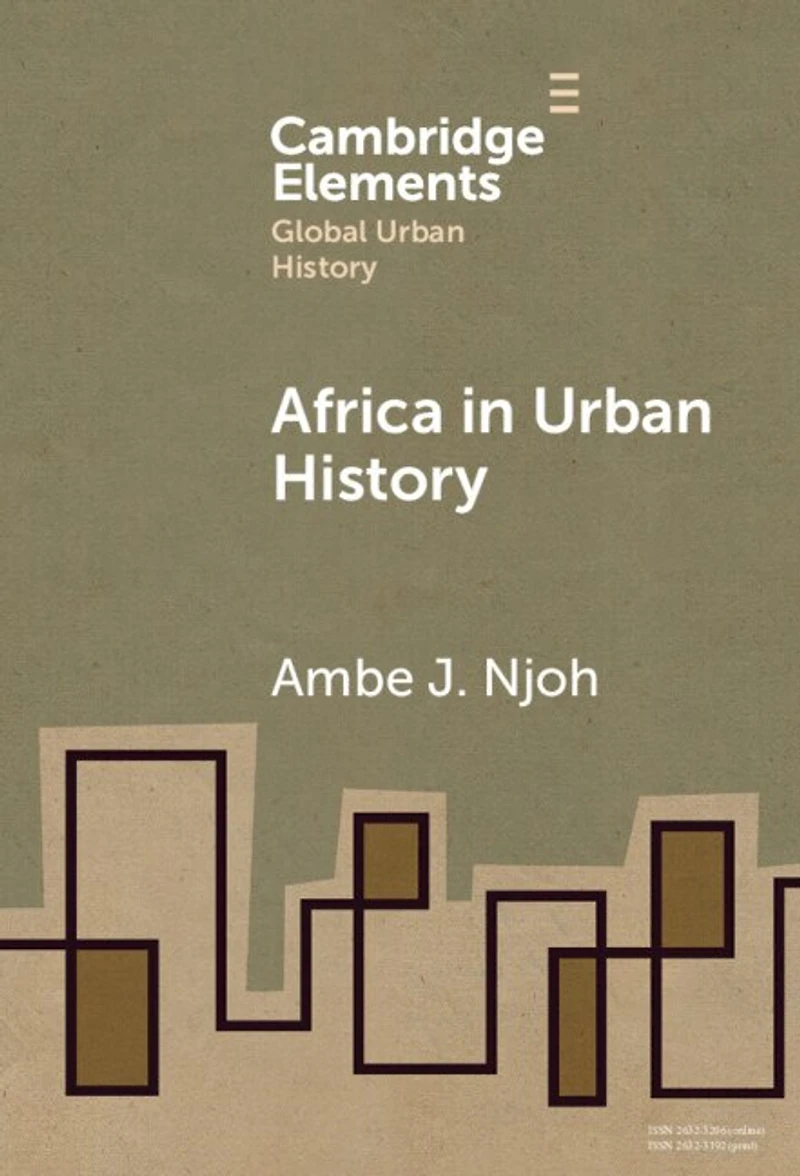
Africa Urban History in Grande Prairie, AB
Current price: $94.73
Coles
Africa Urban History in Grande Prairie, AB
Current price: $94.73
Loading Inventory...
Size: Hardcover
*Product information and pricing may vary - to confirm current pricing, availability, shipping, and return information please contact Coles. In the event of a pricing discrepancy, the retailer's price will apply.
This Element in Global Urban History seeks to promote understanding of the urban history of Africa. It does so by undertaking four main tasks. Firstly, it employs race, ethnicity, class, and conflict theory as conceptual frameworks to analyze the spatial structures, social, and political-economic dynamics of African cities from global, comparative, and transnational perspectives. Secondly, it proposes a new typology of the continent's cities. Thirdly, it identifies and draws into focus an important but oft-ignored part of Africa's urban history, namely Indigenous cities. It focuses more intensely on the few that still exist to date. Fourthly, it employs conflict, functional, and symbolic interactionist theories as well as elements of the race ideology to explain the articulation of racism, ethnicity, and classism in the continent's urban space. This is done mainly but not exclusively from historical perspectives.
This Element in Global Urban History seeks to promote understanding of the urban history of Africa. It does so by undertaking four main tasks. Firstly, it employs race, ethnicity, class, and conflict theory as conceptual frameworks to analyze the spatial structures, social, and political-economic dynamics of African cities from global, comparative, and transnational perspectives. Secondly, it proposes a new typology of the continent's cities. Thirdly, it identifies and draws into focus an important but oft-ignored part of Africa's urban history, namely Indigenous cities. It focuses more intensely on the few that still exist to date. Fourthly, it employs conflict, functional, and symbolic interactionist theories as well as elements of the race ideology to explain the articulation of racism, ethnicity, and classism in the continent's urban space. This is done mainly but not exclusively from historical perspectives.
You May Also Like









Find at Prairie Mall in Grande Prairie, AB
Visit at Prairie Mall in Grande Prairie, AB