


Gifting Made Simple
Give the Gift of ChoiceClick below to purchase a Prairie Mall eGift Card that can be used at participating retailers at Prairie Mall.Buy Gift CardHome
Africa as a Living Laboratory: Empire, Development, and the Problem of Scientific Knowledge, 1870–1950
Coles
Loading Inventory...
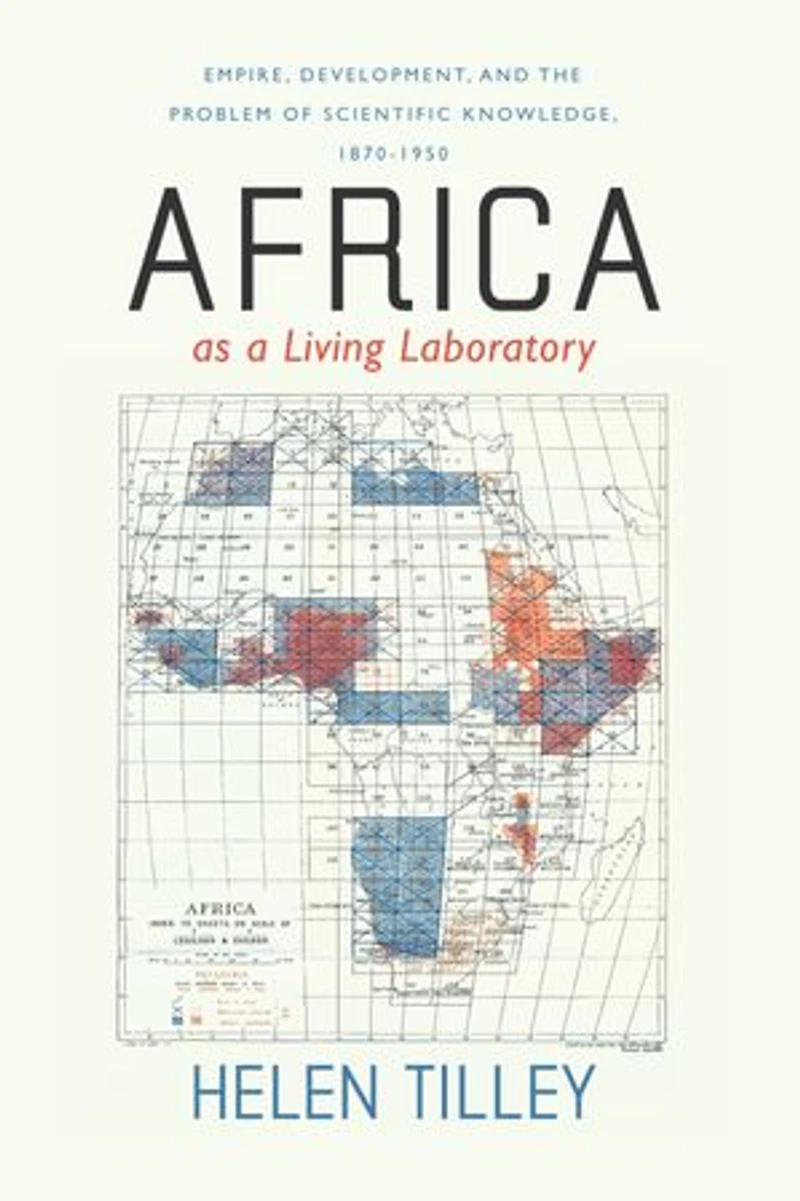
Africa as a Living Laboratory: Empire, Development, and the Problem of Scientific Knowledge, 1870–1950 in Grande Prairie, AB
Current price: $17.59
Original price: $21.99
Coles
Africa as a Living Laboratory: Empire, Development, and the Problem of Scientific Knowledge, 1870–1950 in Grande Prairie, AB
Current price: $17.59
Original price: $21.99
Loading Inventory...
Size: Kobo eBook
*Product information and pricing may vary - to confirm current pricing, availability, shipping, and return information please contact Coles. In the event of a pricing discrepancy, the retailer's price will apply.
Tropical Africa was one of the last regions of the world to experience formal European colonialism, a process that coincided with the advent of a range of new scientific specialties and research methods. Africa as a Living Laboratory is a far-reaching study of the thorny relationship between imperialism and the role of scientific expertise—environmental, medical, racial, and anthropological—in the colonization of British Africa.
A key source for Helen Tilley's analysis is the African Research Survey, a project undertaken in the 1930s to explore how modern science was being applied to African problems. This project both embraced and recommended an interdisciplinary approach to research on Africa that, Tilley argues, underscored the heterogeneity of African environments and the interrelations among the problems being studied. While the aim of British colonialists was unquestionably to transform and modernize Africa, their efforts, Tilley contends, were often unexpectedly subverted by scientific concerns with the local and vernacular. Meticulously researched and gracefully argued, Africa as a Living Laboratory transforms our understanding of imperial history, colonial development, and the role science played in both.
Tropical Africa was one of the last regions of the world to experience formal European colonialism, a process that coincided with the advent of a range of new scientific specialties and research methods. Africa as a Living Laboratory is a far-reaching study of the thorny relationship between imperialism and the role of scientific expertise—environmental, medical, racial, and anthropological—in the colonization of British Africa.
A key source for Helen Tilley's analysis is the African Research Survey, a project undertaken in the 1930s to explore how modern science was being applied to African problems. This project both embraced and recommended an interdisciplinary approach to research on Africa that, Tilley argues, underscored the heterogeneity of African environments and the interrelations among the problems being studied. While the aim of British colonialists was unquestionably to transform and modernize Africa, their efforts, Tilley contends, were often unexpectedly subverted by scientific concerns with the local and vernacular. Meticulously researched and gracefully argued, Africa as a Living Laboratory transforms our understanding of imperial history, colonial development, and the role science played in both.
You May Also Like


















Find at Prairie Mall in Grande Prairie, AB
Visit at Prairie Mall in Grande Prairie, AB