


Gifting Made Simple
Give the Gift of ChoiceClick below to purchase a Prairie Mall eGift Card that can be used at participating retailers at Prairie Mall.Buy Gift CardHome
Affective Polarisation: Social Inequality the UK after Austerity, Brexit and COVID-19
Coles
Loading Inventory...
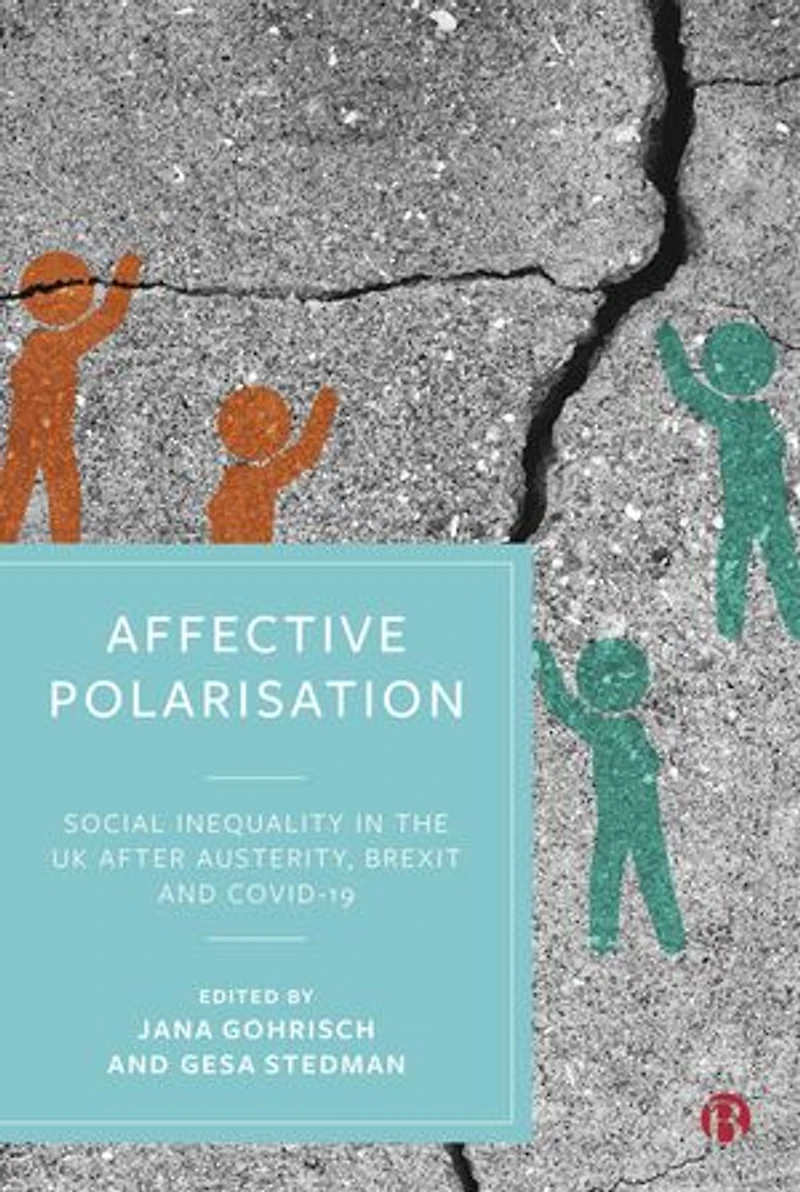
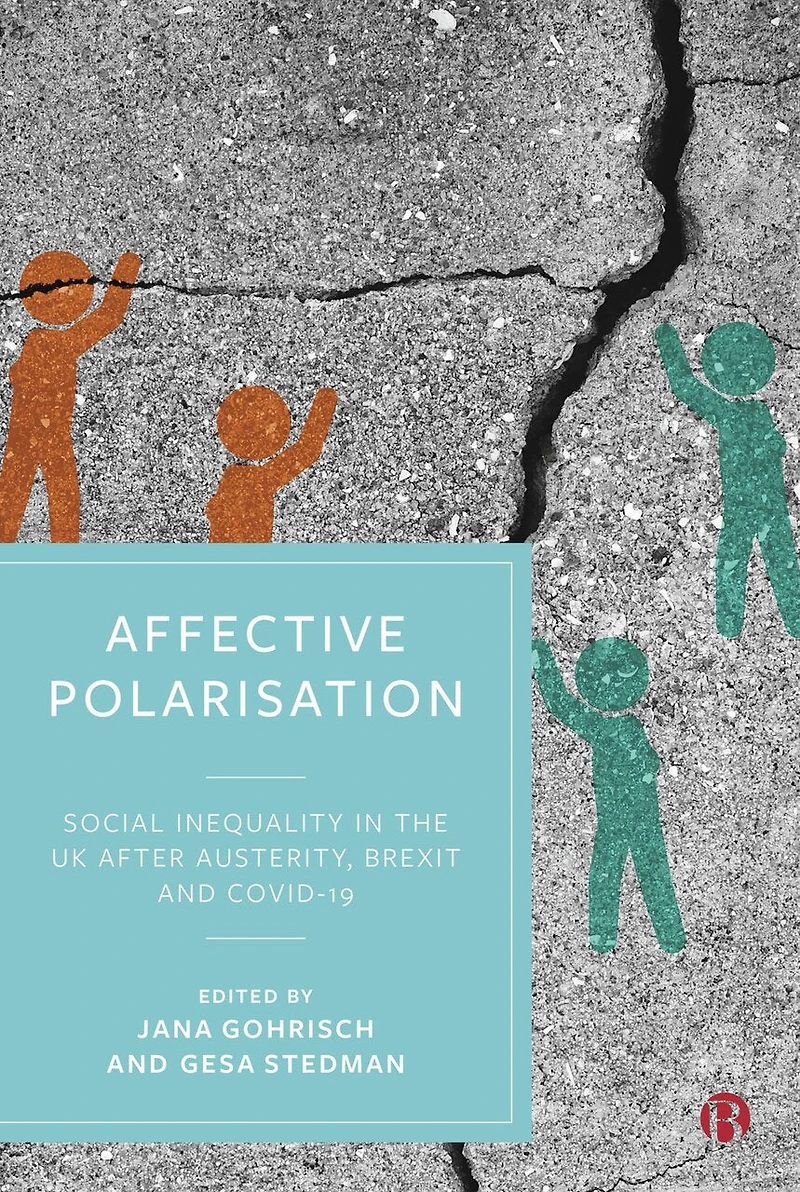
Affective Polarisation: Social Inequality the UK after Austerity, Brexit and COVID-19 in Grande Prairie, AB
Current price: $57.49
Original price: $71.86
Coles
Affective Polarisation: Social Inequality the UK after Austerity, Brexit and COVID-19 in Grande Prairie, AB
Current price: $57.49
Original price: $71.86
Loading Inventory...
Size: Kobo eBook
*Product information and pricing may vary - to confirm current pricing, availability, shipping, and return information please contact Coles. In the event of a pricing discrepancy, the retailer's price will apply.
Inequality is an ever-present danger in our society. This important book addresses the crucial nexus between the lived experience of inequality and how it shapes political responses.
With contributors from the UK and Continental Europe, the book compiles case studies with theoretically informed discussions of the relationship between affective polarisation, social inequality and the fall-out from Brexit and COVID-19. Using a broad concept of social inequality, the book incorporates aspects of economy and society, language, and emotion culture, as well as interviews and film in historical and transnational perspectives.
The contributors offer a powerful examination of the ways in which the politics of the UK and the lived experiences of its residents have been reframed in the first decades of the 21st century.
Inequality is an ever-present danger in our society. This important book addresses the crucial nexus between the lived experience of inequality and how it shapes political responses.
With contributors from the UK and Continental Europe, the book compiles case studies with theoretically informed discussions of the relationship between affective polarisation, social inequality and the fall-out from Brexit and COVID-19. Using a broad concept of social inequality, the book incorporates aspects of economy and society, language, and emotion culture, as well as interviews and film in historical and transnational perspectives.
The contributors offer a powerful examination of the ways in which the politics of the UK and the lived experiences of its residents have been reframed in the first decades of the 21st century.
You May Also Like











Find at Prairie Mall in Grande Prairie, AB
Visit at Prairie Mall in Grande Prairie, AB