


Gifting Made Simple
Give the Gift of ChoiceClick below to purchase a Prairie Mall eGift Card that can be used at participating retailers at Prairie Mall.Buy Gift CardHome
Affective Governmentality: Neoliberal Education Advertisements Singapore
Coles
Loading Inventory...
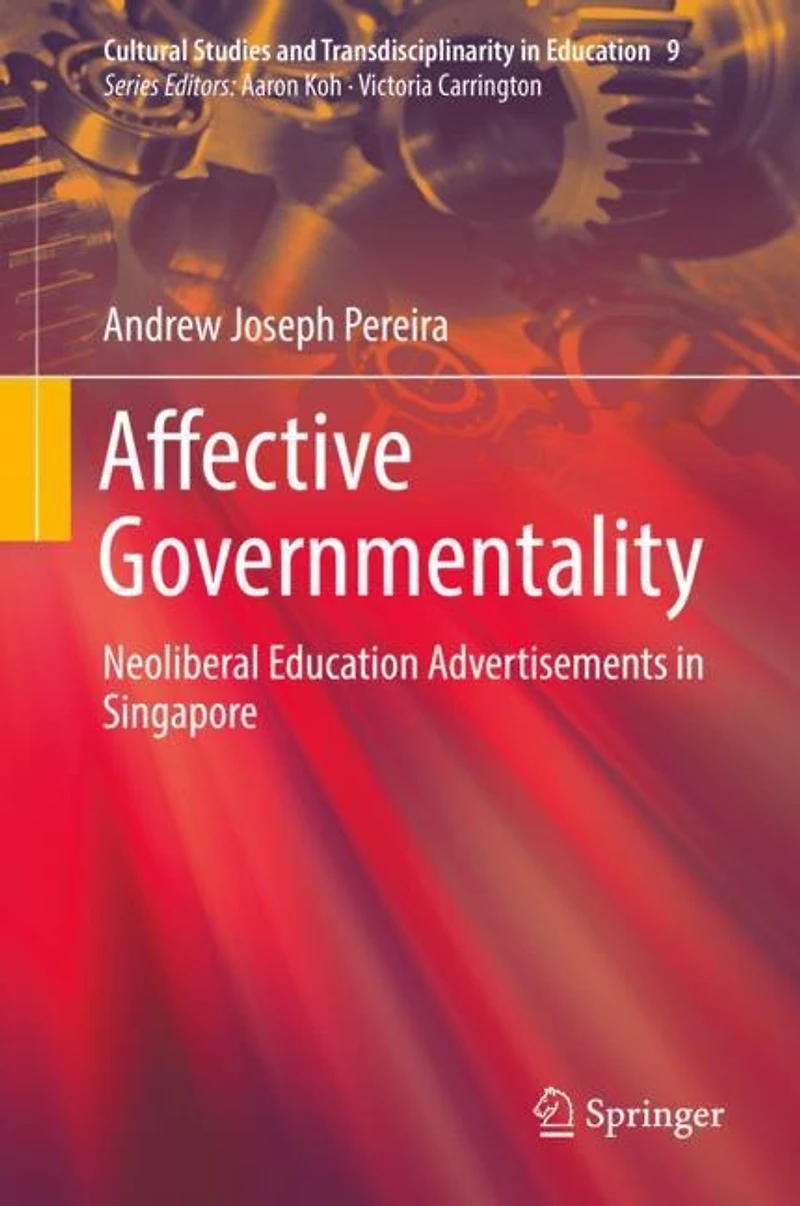
Affective Governmentality: Neoliberal Education Advertisements Singapore in Grande Prairie, AB
Current price: $80.50
Coles
Affective Governmentality: Neoliberal Education Advertisements Singapore in Grande Prairie, AB
Current price: $80.50
Loading Inventory...
Size: Hardcover
*Product information and pricing may vary - to confirm current pricing, availability, shipping, and return information please contact Coles. In the event of a pricing discrepancy, the retailer's price will apply.
This book investigates the subjectivities in education arising from the triumphant mobilisation of care as portrayed in educational advertisements, and provides a novel theory of affective governmentality based on empirical research on affect, neoliberalism, and governmentality. It also takes the bold step of encouraging the re-imagination of the central and pressing question of school marketisation in Singapore, and problematises the seemingly innocuous portrayals of care in light of neoliberal governmentality seeking to perform cultural work on preferred identities and subjectivities. Using a judicious selection of media artefacts, the book scrutinises the creation of emotional technologies through an ethic of caring, harnessing vulnerabilities and triumphalism. As such it not only equips readers to understand the role of emotional technologies but also offers a critical and alternative view of hope and aspirations for transforming society.
This book investigates the subjectivities in education arising from the triumphant mobilisation of care as portrayed in educational advertisements, and provides a novel theory of affective governmentality based on empirical research on affect, neoliberalism, and governmentality. It also takes the bold step of encouraging the re-imagination of the central and pressing question of school marketisation in Singapore, and problematises the seemingly innocuous portrayals of care in light of neoliberal governmentality seeking to perform cultural work on preferred identities and subjectivities. Using a judicious selection of media artefacts, the book scrutinises the creation of emotional technologies through an ethic of caring, harnessing vulnerabilities and triumphalism. As such it not only equips readers to understand the role of emotional technologies but also offers a critical and alternative view of hope and aspirations for transforming society.
You May Also Like













Find at Prairie Mall in Grande Prairie, AB
Visit at Prairie Mall in Grande Prairie, AB