


Gifting Made Simple
Give the Gift of ChoiceClick below to purchase a Prairie Mall eGift Card that can be used at participating retailers at Prairie Mall.Buy Gift CardHome
Aesthetics: Lectures on Fine Art Volume 2
Coles
Loading Inventory...
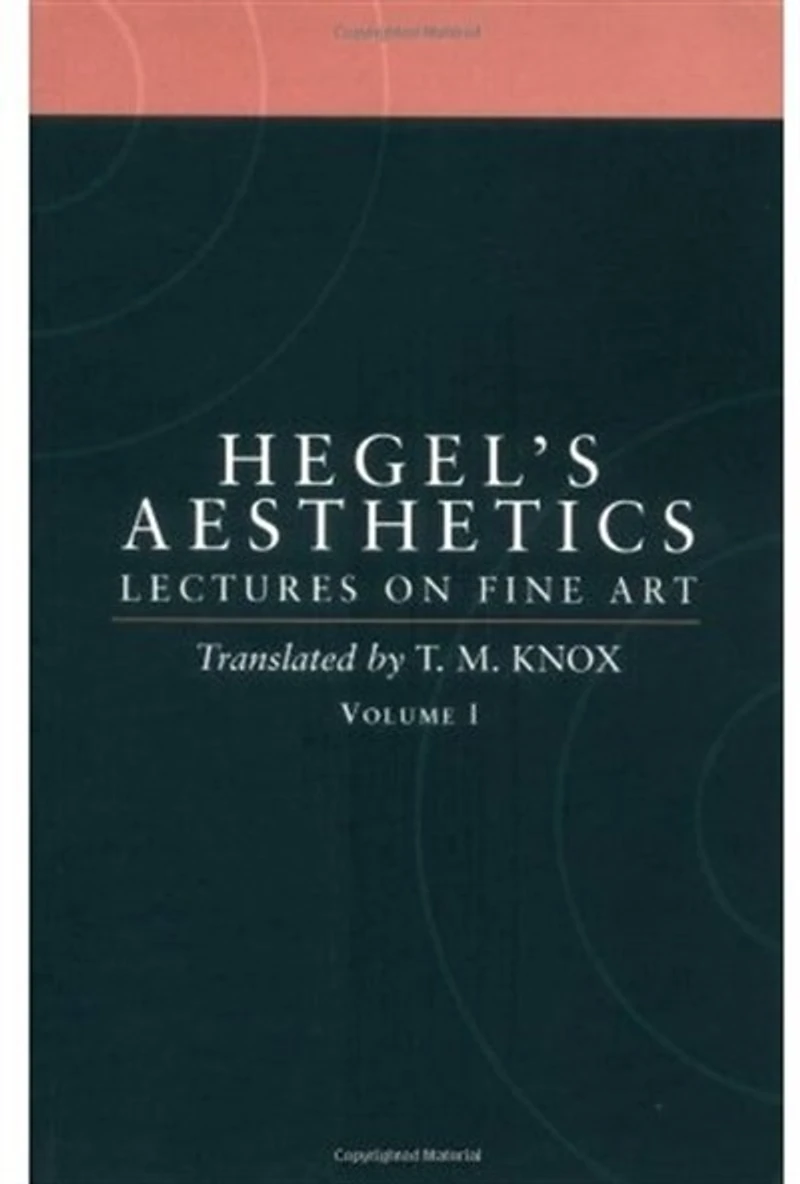
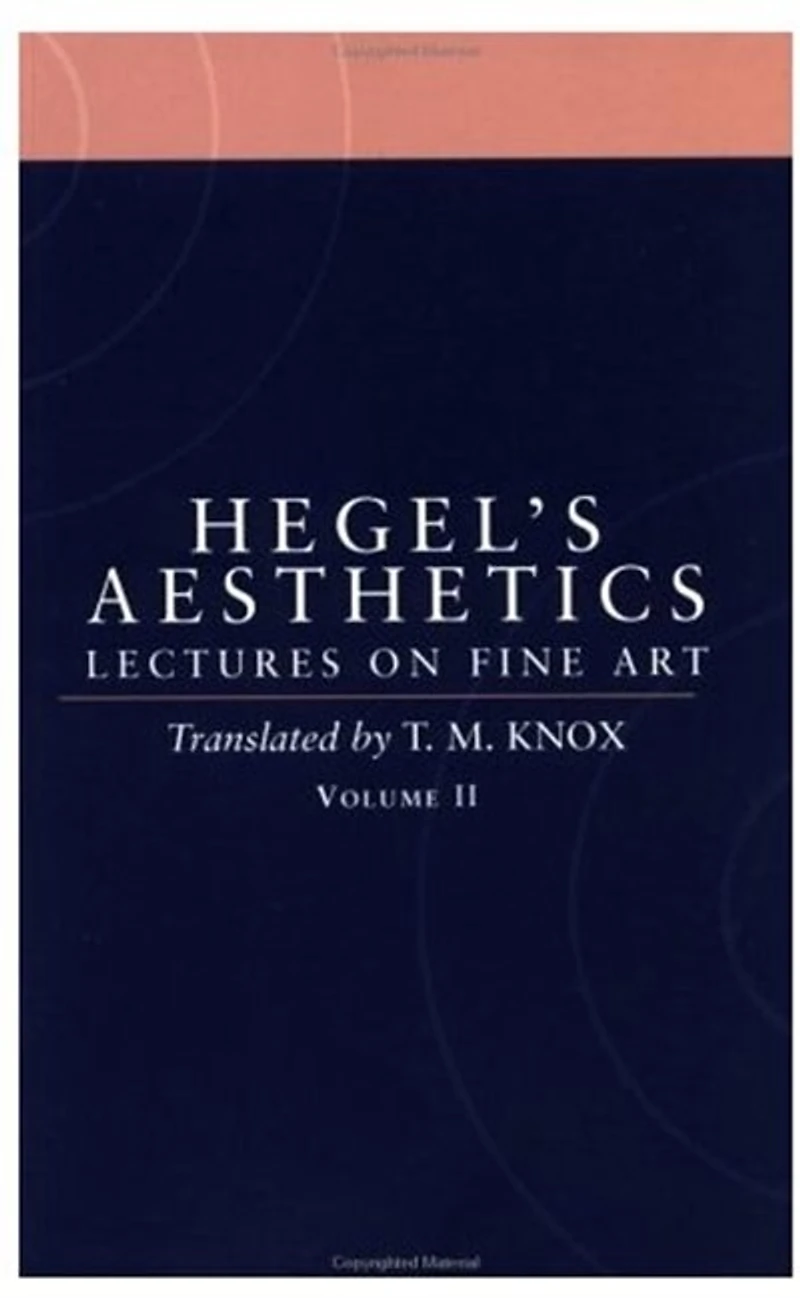
Aesthetics: Lectures on Fine Art Volume 2 in Grande Prairie, AB
Current price: $116.14
Coles
Aesthetics: Lectures on Fine Art Volume 2 in Grande Prairie, AB
Current price: $116.14
Loading Inventory...
Size: Paperback (1998 A)
*Product information and pricing may vary - to confirm current pricing, availability, shipping, and return information please contact Coles. In the event of a pricing discrepancy, the retailer's price will apply.
In his Aesthetics Hegel gives full expression to his seminal theory of art. He surveys the history of art from ancient India, Egypt, and Greece through to the Romantic movement of his own time, criticizes major works, and probes their meaning and significance; his rich array of examples gives
broad scope for his judgement and makes vivid his exposition of his theory.
The substantial Introduction is Hegel''s best exposition of his general philosophy of art, and provides the ideal way into his Aesthetics. In Part I he considers the general nature of art: he distinguishes art, as a spiritual experience, from religion and philosophy; he discusses the beauty of art
and differentiates it from the beauty of nature; and he examines artistic genius and originality. Part II provides a sort of history of art, divded into three periods called Symbolic (India, Persia, Egypt), Classical (Greece), and Romantic (medieval and post-medieval up to the end of the eighteenth
century). Part III deals individually with architecture, sculpture, painting, music, and literature.
In his Aesthetics Hegel gives full expression to his seminal theory of art. He surveys the history of art from ancient India, Egypt, and Greece through to the Romantic movement of his own time, criticizes major works, and probes their meaning and significance; his rich array of examples gives
broad scope for his judgement and makes vivid his exposition of his theory.
The substantial Introduction is Hegel''s best exposition of his general philosophy of art, and provides the ideal way into his Aesthetics. In Part I he considers the general nature of art: he distinguishes art, as a spiritual experience, from religion and philosophy; he discusses the beauty of art
and differentiates it from the beauty of nature; and he examines artistic genius and originality. Part II provides a sort of history of art, divded into three periods called Symbolic (India, Persia, Egypt), Classical (Greece), and Romantic (medieval and post-medieval up to the end of the eighteenth
century). Part III deals individually with architecture, sculpture, painting, music, and literature.








Find at Prairie Mall in Grande Prairie, AB
Visit at Prairie Mall in Grande Prairie, AB