


Gifting Made Simple
Give the Gift of ChoiceClick below to purchase a Prairie Mall eGift Card that can be used at participating retailers at Prairie Mall.Buy Gift CardHome
Aelius Aristides and the Poetics of Lyric in Imperial Greek Culture
Coles
Loading Inventory...
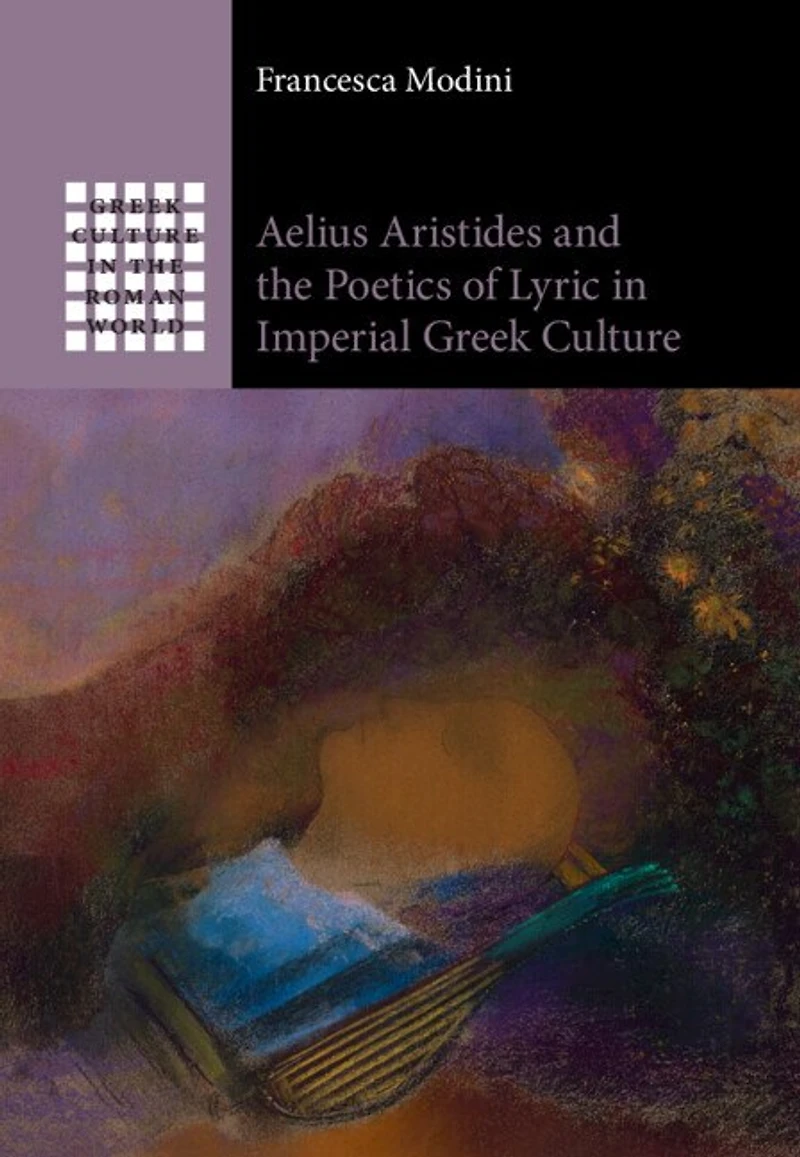
Aelius Aristides and the Poetics of Lyric in Imperial Greek Culture in Grande Prairie, AB
Current price: $137.95
Coles
Aelius Aristides and the Poetics of Lyric in Imperial Greek Culture in Grande Prairie, AB
Current price: $137.95
Loading Inventory...
Size: Hardcover
*Product information and pricing may vary - to confirm current pricing, availability, shipping, and return information please contact Coles. In the event of a pricing discrepancy, the retailer's price will apply.
This book is the first study of the persistence and significance of ancient lyric in imperial Greek culture. Redefining lyric reception as a phenomenon ranging from textual engagement with ancient poems to the appropriation of song traditions, Francesca Modini reconsiders the view of imperial culture (paideia) as dominated by Homer and fifth-century Attic literature. She argues that textual knowledge of lyric allowed imperial writers to show a more sophisticated level of paideia, and her analysis further reveals how lyric traditions mobilised distinctive discourses of self-fashioning, local identity, community-making and power crucial for Greeks under Rome. This is most evident in the works of Aelius Aristides, who reconfigured ancient lyric to shape his rhetorical persona and enhance his speeches to imperial communities. Exploring Aristides' lyric poetics also changes how we interpret his reconstruction of the classical tradition and his involvement in the complex politics of the Empire.
This book is the first study of the persistence and significance of ancient lyric in imperial Greek culture. Redefining lyric reception as a phenomenon ranging from textual engagement with ancient poems to the appropriation of song traditions, Francesca Modini reconsiders the view of imperial culture (paideia) as dominated by Homer and fifth-century Attic literature. She argues that textual knowledge of lyric allowed imperial writers to show a more sophisticated level of paideia, and her analysis further reveals how lyric traditions mobilised distinctive discourses of self-fashioning, local identity, community-making and power crucial for Greeks under Rome. This is most evident in the works of Aelius Aristides, who reconfigured ancient lyric to shape his rhetorical persona and enhance his speeches to imperial communities. Exploring Aristides' lyric poetics also changes how we interpret his reconstruction of the classical tradition and his involvement in the complex politics of the Empire.
You May Also Like








Find at Prairie Mall in Grande Prairie, AB
Visit at Prairie Mall in Grande Prairie, AB