


Gifting Made Simple
Give the Gift of ChoiceClick below to purchase a Prairie Mall eGift Card that can be used at participating retailers at Prairie Mall.Buy Gift CardHome
Advances Microbial Toxin Research And Its Biotechnological Exploitation
Coles
Loading Inventory...
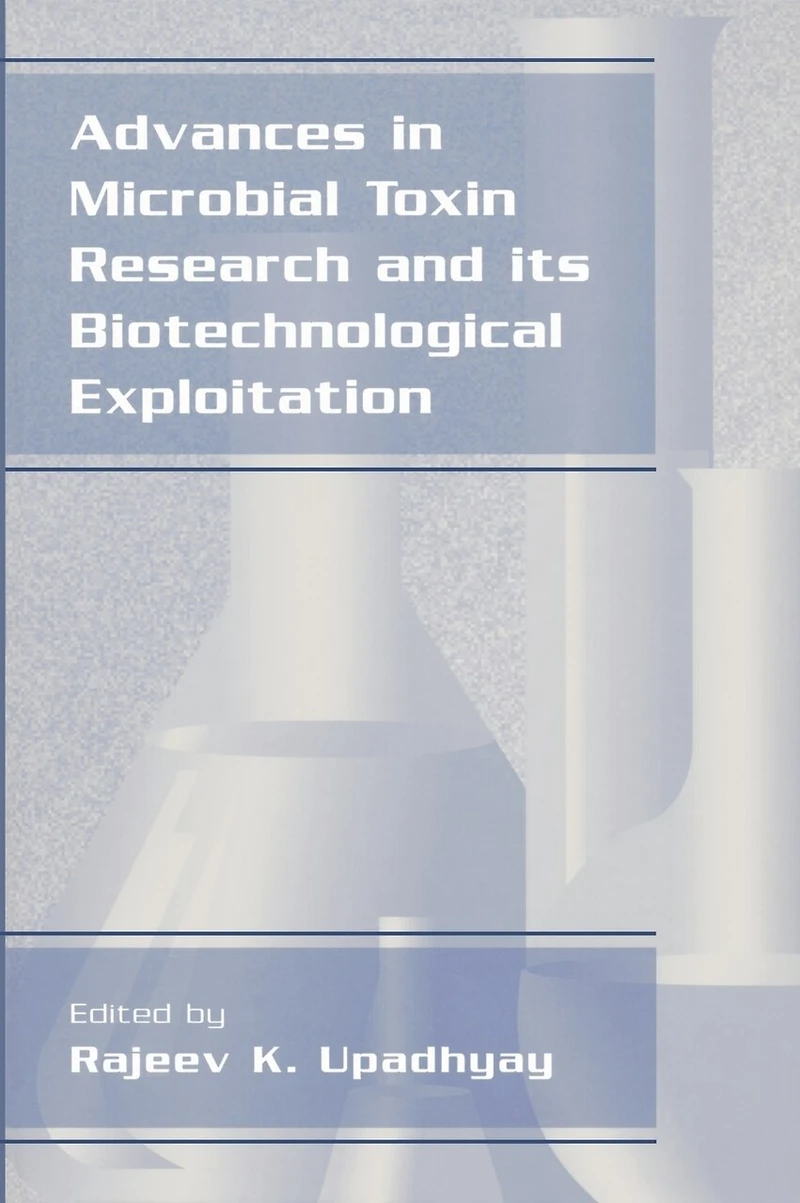
Advances Microbial Toxin Research And Its Biotechnological Exploitation in Grande Prairie, AB
Current price: $220.95
Coles
Advances Microbial Toxin Research And Its Biotechnological Exploitation in Grande Prairie, AB
Current price: $220.95
Loading Inventory...
Size: Hardcover
*Product information and pricing may vary - to confirm current pricing, availability, shipping, and return information please contact Coles. In the event of a pricing discrepancy, the retailer's price will apply.
Microbial toxins are secondary metabolites that accumulate in the organism and, to a large extent, are metabolically inactive towards the organism that produces them. The discovery of penicillin, a secondary metabolite of Penicillium notatum West (= P. chrysogenum Thom), in 1929 marked a milestone in the development of antibiotics (microbial toxins). In the intensive studies that followed this discovery, scientists chemically characterized several new molecules (toxins) from secondary metabolites of microbes, some having a definite function in causing pathogenesis in plants. Toxins are also known to playa significant role in inciting animal (human) and insect diseases and as plant growth regulators. Many common toxins have also been isolated from different microbes exhibiting a wide spectrum of biological activity. Toxins are broadly divisible into several characteristic groupings - polyketides, oxygen heterocyclic compounds, pyrons, terpenoidS, amino acids - diketopiperazines, polypeptides etc. Recent research has indicated that these toxins play an important role in plant pathogenesis, disease epidemics, plant breeding, biological control of plant pathogens and insect pests, induced resistance, plant-pathogen interactions etc. Toxins produced by weed pathogens are exploited as lead molecules in developing environmentally friendly herbicides.
Microbial toxins are secondary metabolites that accumulate in the organism and, to a large extent, are metabolically inactive towards the organism that produces them. The discovery of penicillin, a secondary metabolite of Penicillium notatum West (= P. chrysogenum Thom), in 1929 marked a milestone in the development of antibiotics (microbial toxins). In the intensive studies that followed this discovery, scientists chemically characterized several new molecules (toxins) from secondary metabolites of microbes, some having a definite function in causing pathogenesis in plants. Toxins are also known to playa significant role in inciting animal (human) and insect diseases and as plant growth regulators. Many common toxins have also been isolated from different microbes exhibiting a wide spectrum of biological activity. Toxins are broadly divisible into several characteristic groupings - polyketides, oxygen heterocyclic compounds, pyrons, terpenoidS, amino acids - diketopiperazines, polypeptides etc. Recent research has indicated that these toxins play an important role in plant pathogenesis, disease epidemics, plant breeding, biological control of plant pathogens and insect pests, induced resistance, plant-pathogen interactions etc. Toxins produced by weed pathogens are exploited as lead molecules in developing environmentally friendly herbicides.
You May Also Like












Find at Prairie Mall in Grande Prairie, AB
Visit at Prairie Mall in Grande Prairie, AB