


Gifting Made Simple
Give the Gift of ChoiceClick below to purchase a Prairie Mall eGift Card that can be used at participating retailers at Prairie Mall.Buy Gift CardHome
Advances in Parenteral Nutrition: Proceedings of an International Symposium Held in Bermuda, 16-19th May, 1977
Coles
Loading Inventory...
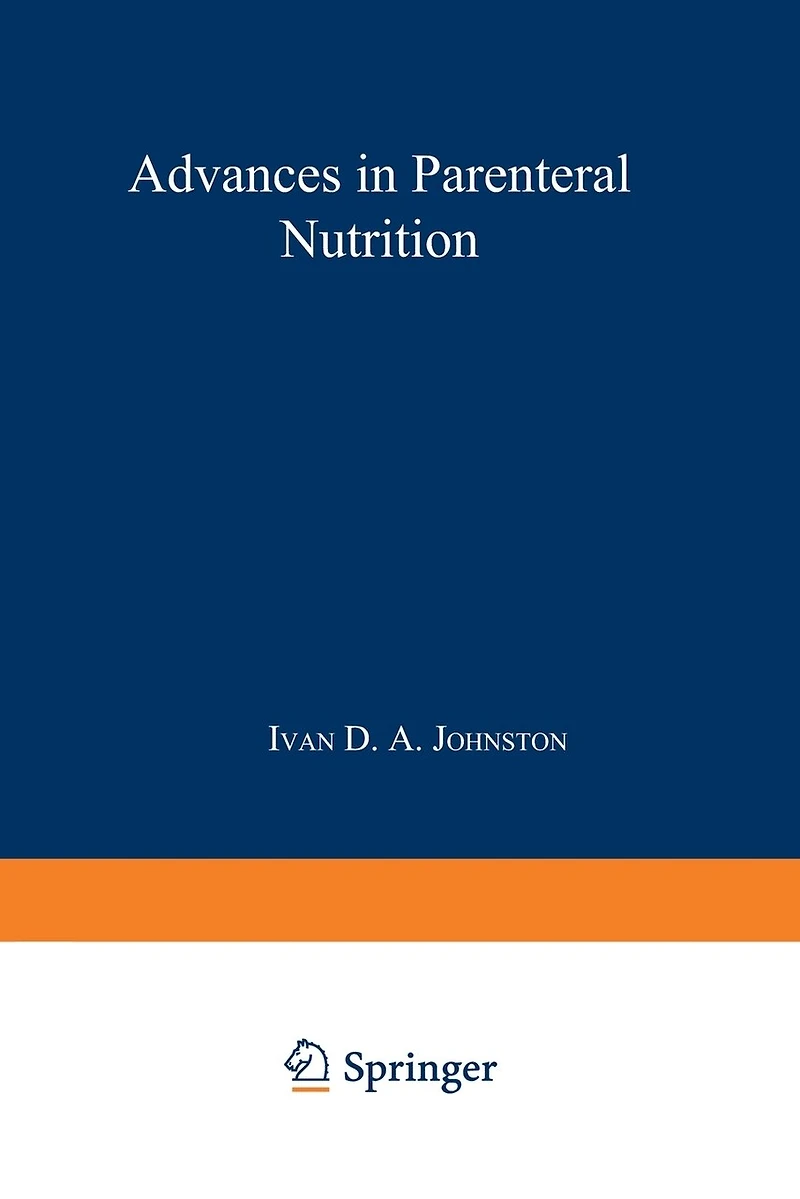
Advances in Parenteral Nutrition: Proceedings of an International Symposium Held in Bermuda, 16-19th May, 1977 in Grande Prairie, AB
Current price: $142.95
Coles
Advances in Parenteral Nutrition: Proceedings of an International Symposium Held in Bermuda, 16-19th May, 1977 in Grande Prairie, AB
Current price: $142.95
Loading Inventory...
Size: Paperback
*Product information and pricing may vary - to confirm current pricing, availability, shipping, and return information please contact Coles. In the event of a pricing discrepancy, the retailer's price will apply.
Parenteral nutrition has been one of the most significant therapeutic advances of the past twenty years. Many patients have survived very serious illness only because of intravenous nutrition for either short or very long periods of time. The indications for parenteral nutrition are simple and can be summarised as the inability to ingest necessary nutrients for a significant time during increased metabolic demands. Many problems in the preparation of energy sources and amino acid solutions have been solved so that the time is opportune to review what has been achieved and discuss recent advances and current thinking in the light of future requirements. The next phase in parenteral nutrition will undoubtedly be the provision of regimens designed for specific situations. The needs of the neonate for example are known to differ from adult requirements. The choice of carbohydrate for intravenous use has been a matter of much of glucose both in biochemical and clinical terms discussion. The supremacy now seems well established. The value of intravenous fat is well documented, but the interchange of fat and carbohydrate as calorie sources and the effects of prolonged infusions of fat merit further investigation. The evidence that isotonic amino acids are utilized effectively when given alone due to the availability of endogenous energy sources has led to a greater understanding of the metabolic changes and demands associated with injury and sepsis.
Parenteral nutrition has been one of the most significant therapeutic advances of the past twenty years. Many patients have survived very serious illness only because of intravenous nutrition for either short or very long periods of time. The indications for parenteral nutrition are simple and can be summarised as the inability to ingest necessary nutrients for a significant time during increased metabolic demands. Many problems in the preparation of energy sources and amino acid solutions have been solved so that the time is opportune to review what has been achieved and discuss recent advances and current thinking in the light of future requirements. The next phase in parenteral nutrition will undoubtedly be the provision of regimens designed for specific situations. The needs of the neonate for example are known to differ from adult requirements. The choice of carbohydrate for intravenous use has been a matter of much of glucose both in biochemical and clinical terms discussion. The supremacy now seems well established. The value of intravenous fat is well documented, but the interchange of fat and carbohydrate as calorie sources and the effects of prolonged infusions of fat merit further investigation. The evidence that isotonic amino acids are utilized effectively when given alone due to the availability of endogenous energy sources has led to a greater understanding of the metabolic changes and demands associated with injury and sepsis.
You May Also Like












Find at Prairie Mall in Grande Prairie, AB
Visit at Prairie Mall in Grande Prairie, AB