


Gifting Made Simple
Give the Gift of ChoiceClick below to purchase a Prairie Mall eGift Card that can be used at participating retailers at Prairie Mall.Buy Gift CardHome
Advances Imaging Techniques Ischemic Heart Disease
Coles
Loading Inventory...
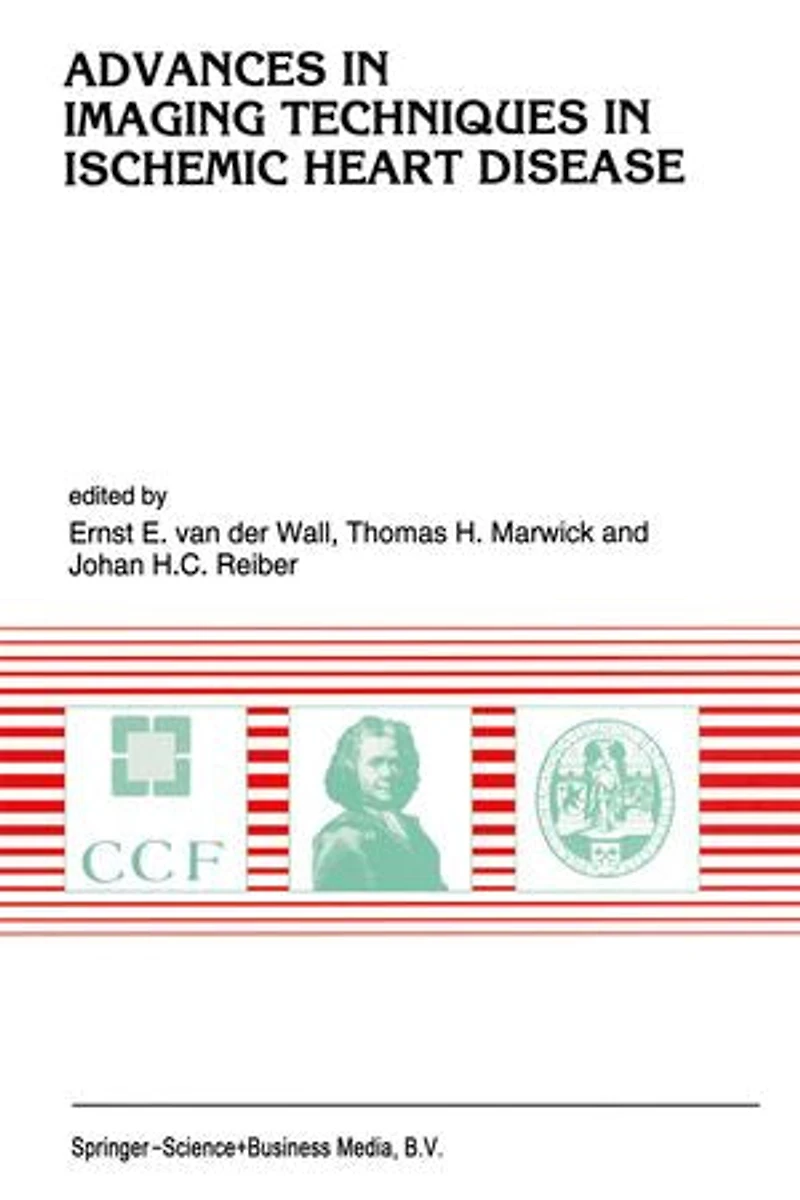
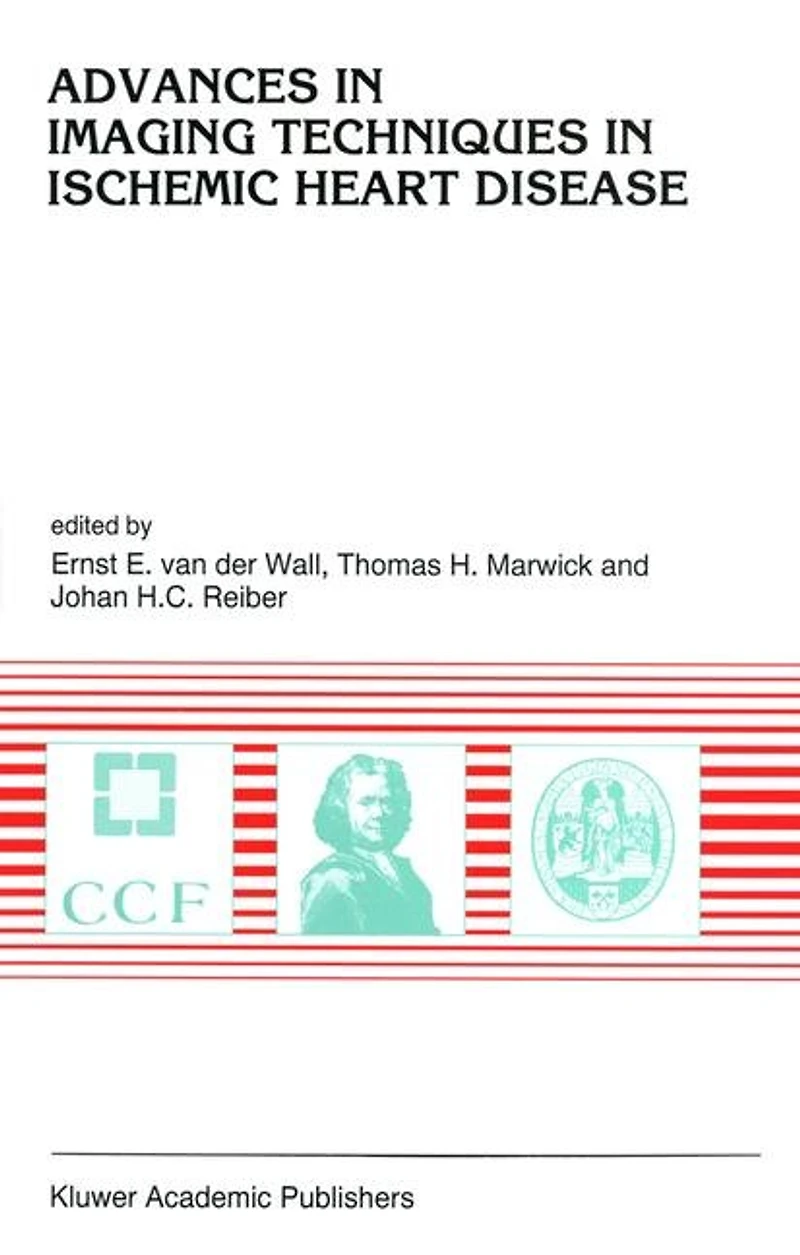
Advances Imaging Techniques Ischemic Heart Disease in Grande Prairie, AB
Current price: $112.99
Original price: $140.81
Coles
Advances Imaging Techniques Ischemic Heart Disease in Grande Prairie, AB
Current price: $112.99
Original price: $140.81
Loading Inventory...
Size: Kobo eBook
*Product information and pricing may vary - to confirm current pricing, availability, shipping, and return information please contact Coles. In the event of a pricing discrepancy, the retailer's price will apply.
In recent years there have been tremendous advances in cardiac imaging techniques covering the complete spectrum from echocardiography, nuclear cardiology, magnetic resonance imaging to contrast angiography. With respect to these noninvasive and invasive cardiac imaging modalities, marked technological developments have allowed the cardiologist to visualize the myocardium in a far more refined manner than conventional imaging was capable of. Echocardiography has extended its domain with intravascular ultrasound, cardiovascular nuclear imaging has added positron emission tomography to its line of research, magnetic resonance imaging has been broadened with magnetic resonance angiography and spectroscopy, and finally contrast angiograp hy has widened its scope with excellent quantitation programs. For all these imaging modalities it is true that the application of dedicated quantitative analytic software packages enables the evaluation of the imaging studies in a more accurate, reliable, and reproducible manner. It goes without saying that these extensions and achievements have resulted in improved diagnostics and subsequently in improved patient care. Particularly in patients with ischemic heart disease, major progress has been made to detect coronary artery disease in an early phase of the disease process, to follow the atherosclerotic changes in the coronary arteries, to establish the functional and metabolic consequences of the luminal obstructions, and to accurately assess the results of interventional therapy.
In recent years there have been tremendous advances in cardiac imaging techniques covering the complete spectrum from echocardiography, nuclear cardiology, magnetic resonance imaging to contrast angiography. With respect to these noninvasive and invasive cardiac imaging modalities, marked technological developments have allowed the cardiologist to visualize the myocardium in a far more refined manner than conventional imaging was capable of. Echocardiography has extended its domain with intravascular ultrasound, cardiovascular nuclear imaging has added positron emission tomography to its line of research, magnetic resonance imaging has been broadened with magnetic resonance angiography and spectroscopy, and finally contrast angiograp hy has widened its scope with excellent quantitation programs. For all these imaging modalities it is true that the application of dedicated quantitative analytic software packages enables the evaluation of the imaging studies in a more accurate, reliable, and reproducible manner. It goes without saying that these extensions and achievements have resulted in improved diagnostics and subsequently in improved patient care. Particularly in patients with ischemic heart disease, major progress has been made to detect coronary artery disease in an early phase of the disease process, to follow the atherosclerotic changes in the coronary arteries, to establish the functional and metabolic consequences of the luminal obstructions, and to accurately assess the results of interventional therapy.
You May Also Like














Find at Prairie Mall in Grande Prairie, AB
Visit at Prairie Mall in Grande Prairie, AB