


Gifting Made Simple
Give the Gift of ChoiceClick below to purchase a Prairie Mall eGift Card that can be used at participating retailers at Prairie Mall.Buy Gift CardHome
Advances Asthma: Pathophysiology, Diagnosis and Treatment
Coles
Loading Inventory...
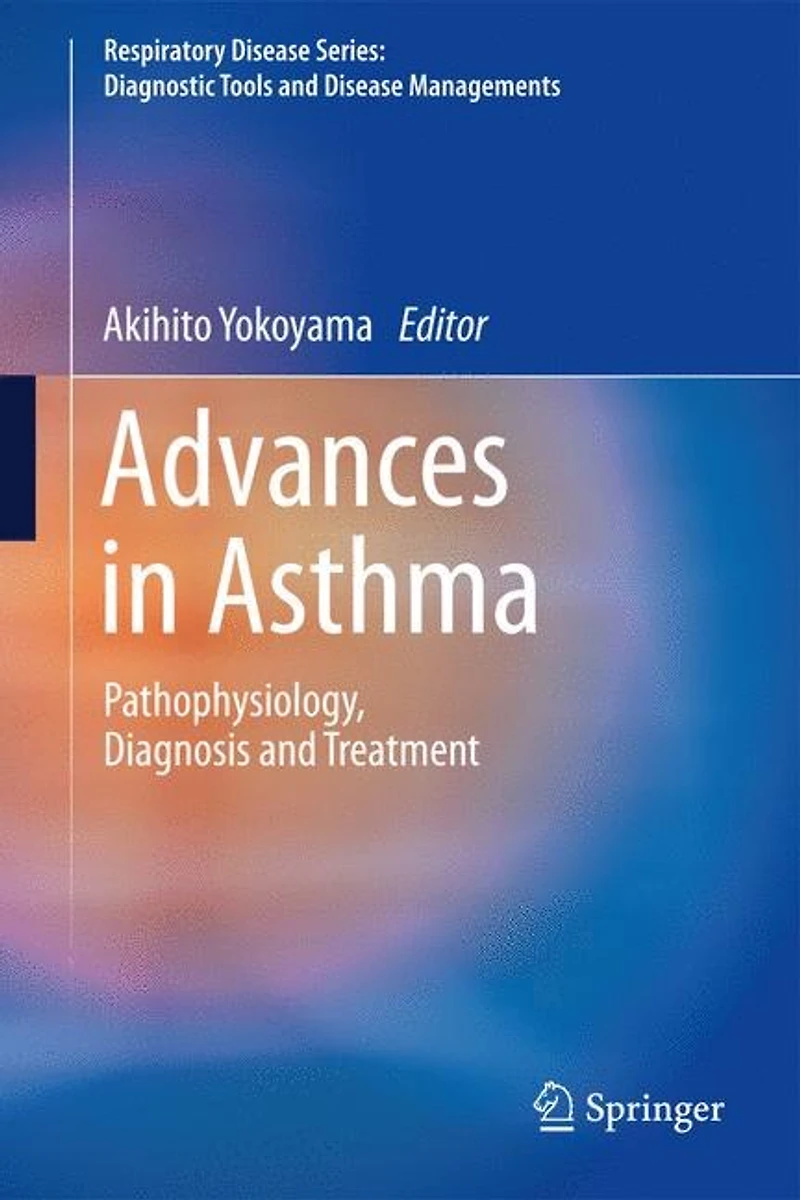
Advances Asthma: Pathophysiology, Diagnosis and Treatment in Grande Prairie, AB
Current price: $204.50
Coles
Advances Asthma: Pathophysiology, Diagnosis and Treatment in Grande Prairie, AB
Current price: $204.50
Loading Inventory...
Size: Hardcover
*Product information and pricing may vary - to confirm current pricing, availability, shipping, and return information please contact Coles. In the event of a pricing discrepancy, the retailer's price will apply.
This book provides discussions on bronchial asthma from a clinical perspective, focusing on the recent studies on its pathophysiology, diagnosis and treatment. It also explores the lastest findings regarding the phenotypes and endotypes of asthmatic patients, making it of particular interest to those involved with non-eosinophilic asthma and eosinophilic asthma. Further, it discusses the importance of ILC 2 in eosinophilic asthma, and the accumulated results from the forced oscilliation technique and periostin that are actively practiced in Japan. As some aspects of diagnosis and treatment are different in Western and Asian countries, it is important that the data is disseminated around the globe. The clinical questions addressed by the authors are critical and thought provoking, while the questions raised by the editors are instructive, informative and provide new perspectives on unresolved issues. This book appeals to wide readership from beginning learners to physicians in clinical practice and scholars engaging in basic research.
This book provides discussions on bronchial asthma from a clinical perspective, focusing on the recent studies on its pathophysiology, diagnosis and treatment. It also explores the lastest findings regarding the phenotypes and endotypes of asthmatic patients, making it of particular interest to those involved with non-eosinophilic asthma and eosinophilic asthma. Further, it discusses the importance of ILC 2 in eosinophilic asthma, and the accumulated results from the forced oscilliation technique and periostin that are actively practiced in Japan. As some aspects of diagnosis and treatment are different in Western and Asian countries, it is important that the data is disseminated around the globe. The clinical questions addressed by the authors are critical and thought provoking, while the questions raised by the editors are instructive, informative and provide new perspectives on unresolved issues. This book appeals to wide readership from beginning learners to physicians in clinical practice and scholars engaging in basic research.
You May Also Like








Find at Prairie Mall in Grande Prairie, AB
Visit at Prairie Mall in Grande Prairie, AB