


Gifting Made Simple
Give the Gift of ChoiceClick below to purchase a Prairie Mall eGift Card that can be used at participating retailers at Prairie Mall.Buy Gift CardHome
Adorno and the Antifascist Geographical Imagination
Coles
Loading Inventory...
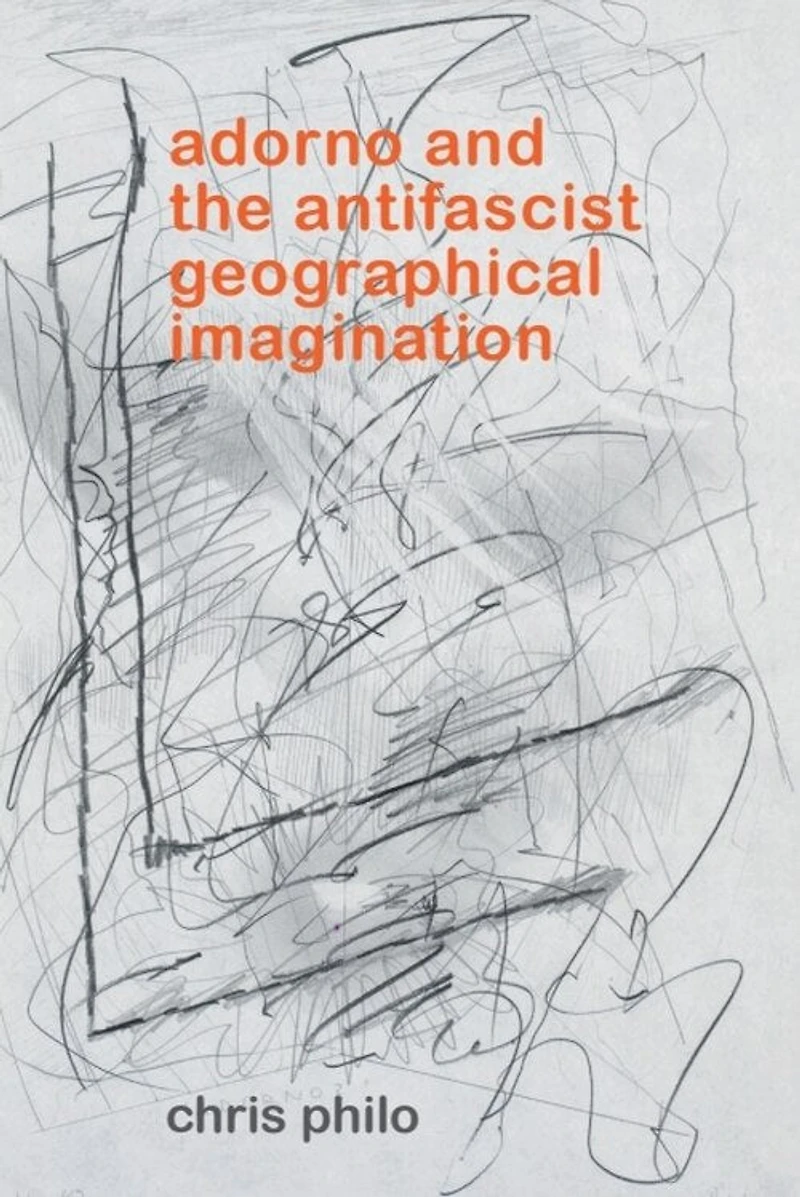

Adorno and the Antifascist Geographical Imagination in Grande Prairie, AB
Current price: $168.99
Coles
Adorno and the Antifascist Geographical Imagination in Grande Prairie, AB
Current price: $168.99
Loading Inventory...
Size: Hardcover
*Product information and pricing may vary - to confirm current pricing, availability, shipping, and return information please contact Coles. In the event of a pricing discrepancy, the retailer's price will apply.
To think antifascistically is necessarily to think geographically; to think geographically ought to be to think antifascistically. This aphorism sets the compass for this book’s ambitious attempt to fold questions of fascism and antifascism into the remit of Geotheory (the focus of the host book series). Alert to fascism’s pernicious haunting of our contemporary moment, it reaches for intellectual resources through which to fashion constellations of antifascist thought hinging on attentiveness to space, place, landscape and nature.
Specifically, the book offers the first attempt to systematically explore the ‘geographies’ integral to the thinking of Theodor W. Adorno, premier exponent of the Frankfurt School of critical theory whose writings – on philosophy and sociology, politics and culture, literature and music – were often framed precisely against the threat of fascistic regression. By disclosing Adorno’s geographies, the shape of a geographical antifascism comes into view as a transformational restatement of critical geography’s spirit and purpose.
To think antifascistically is necessarily to think geographically; to think geographically ought to be to think antifascistically. This aphorism sets the compass for this book’s ambitious attempt to fold questions of fascism and antifascism into the remit of Geotheory (the focus of the host book series). Alert to fascism’s pernicious haunting of our contemporary moment, it reaches for intellectual resources through which to fashion constellations of antifascist thought hinging on attentiveness to space, place, landscape and nature.
Specifically, the book offers the first attempt to systematically explore the ‘geographies’ integral to the thinking of Theodor W. Adorno, premier exponent of the Frankfurt School of critical theory whose writings – on philosophy and sociology, politics and culture, literature and music – were often framed precisely against the threat of fascistic regression. By disclosing Adorno’s geographies, the shape of a geographical antifascism comes into view as a transformational restatement of critical geography’s spirit and purpose.
You May Also Like














Find at Prairie Mall in Grande Prairie, AB
Visit at Prairie Mall in Grande Prairie, AB