


Gifting Made Simple
Give the Gift of ChoiceClick below to purchase a Prairie Mall eGift Card that can be used at participating retailers at Prairie Mall.Buy Gift CardHome
Actinide Speciation in High Ionic Strength Media: Experimental and Modeling Approaches to Predicting Actinide Speciation and Migration in the Subsurface
Coles
Loading Inventory...
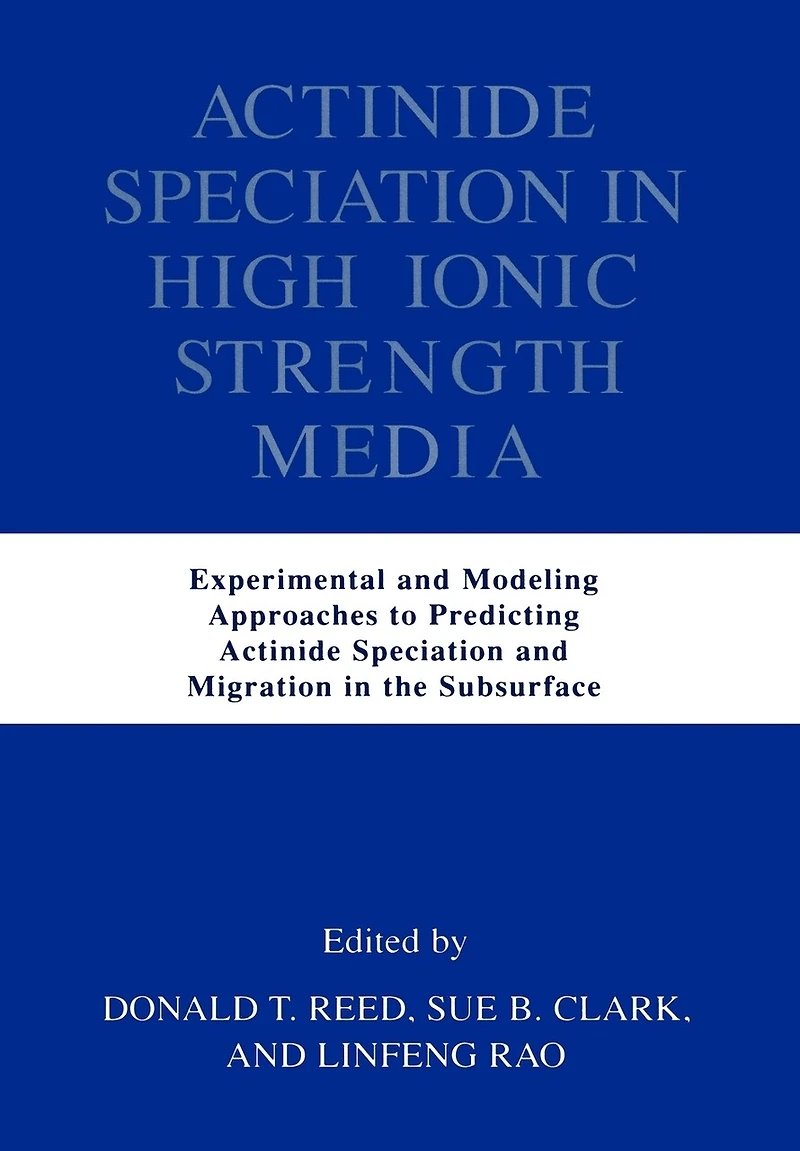
Actinide Speciation in High Ionic Strength Media: Experimental and Modeling Approaches to Predicting Actinide Speciation and Migration in the Subsurface in Grande Prairie, AB
Current price: $248.50
Coles
Actinide Speciation in High Ionic Strength Media: Experimental and Modeling Approaches to Predicting Actinide Speciation and Migration in the Subsurface in Grande Prairie, AB
Current price: $248.50
Loading Inventory...
Size: Paperback
*Product information and pricing may vary - to confirm current pricing, availability, shipping, and return information please contact Coles. In the event of a pricing discrepancy, the retailer's price will apply.
The management and disposal of radioactive wastes are key international issues requiring a sound, fundamental scientific basis to insure public and environmental protection. Large quantities of existing nuclear waste must be treated to encapsulate the radioactivity in a form suitable for disposal. The treatment of this waste, due to its extreme diversity, presents tremendous engineering and scientific challenges. Geologic isolation of transuranic waste is the approach currently proposed by all nuclear countries for its final disposal. To be successful in this endeavor, it is necessary to understand the behavior of plutonium and the other actinides in relevant environmental media. Conceptual models for stored high level waste and waste repository systems present many sCientific difficulties due to their complexity and non-ideality. For example, much of the high level nuclear waste in the US is stored as alkaline concentrated electrolyte materials, where the chemistry of the actinides under such conditions is not well understood. This lack of understanding limits the successful separation and treatment of these wastes. Also, countries such as the US and Germany plan to dispose of actinide bearing wastes in geologic salt deposits. In this case, understanding the speciation and transport properties of actinides in brines is critical for confidence in repository performance and risk assessment activities. Many deep groundwaters underlying existing contaminated sites are also high in ionic strength. Until recently, the scientific basis for describing actinide chemistry in such systems was extremely limited.
The management and disposal of radioactive wastes are key international issues requiring a sound, fundamental scientific basis to insure public and environmental protection. Large quantities of existing nuclear waste must be treated to encapsulate the radioactivity in a form suitable for disposal. The treatment of this waste, due to its extreme diversity, presents tremendous engineering and scientific challenges. Geologic isolation of transuranic waste is the approach currently proposed by all nuclear countries for its final disposal. To be successful in this endeavor, it is necessary to understand the behavior of plutonium and the other actinides in relevant environmental media. Conceptual models for stored high level waste and waste repository systems present many sCientific difficulties due to their complexity and non-ideality. For example, much of the high level nuclear waste in the US is stored as alkaline concentrated electrolyte materials, where the chemistry of the actinides under such conditions is not well understood. This lack of understanding limits the successful separation and treatment of these wastes. Also, countries such as the US and Germany plan to dispose of actinide bearing wastes in geologic salt deposits. In this case, understanding the speciation and transport properties of actinides in brines is critical for confidence in repository performance and risk assessment activities. Many deep groundwaters underlying existing contaminated sites are also high in ionic strength. Until recently, the scientific basis for describing actinide chemistry in such systems was extremely limited.
You May Also Like


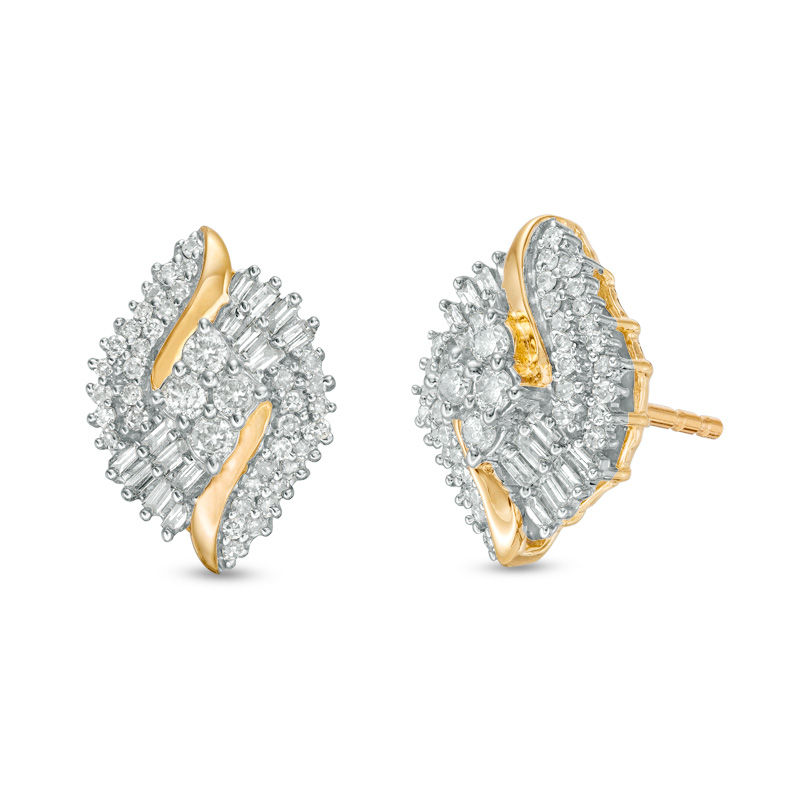
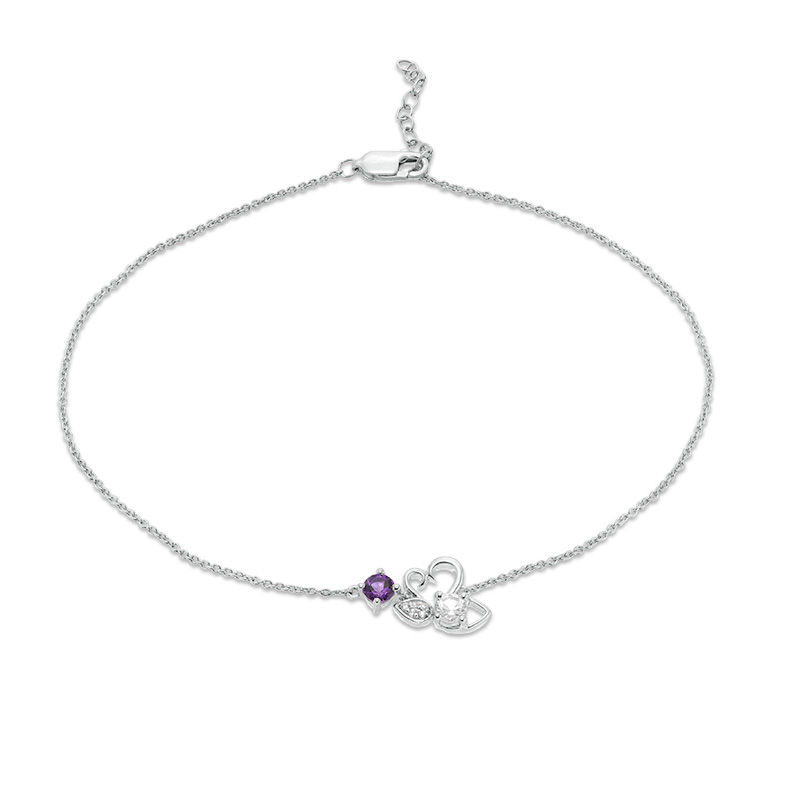
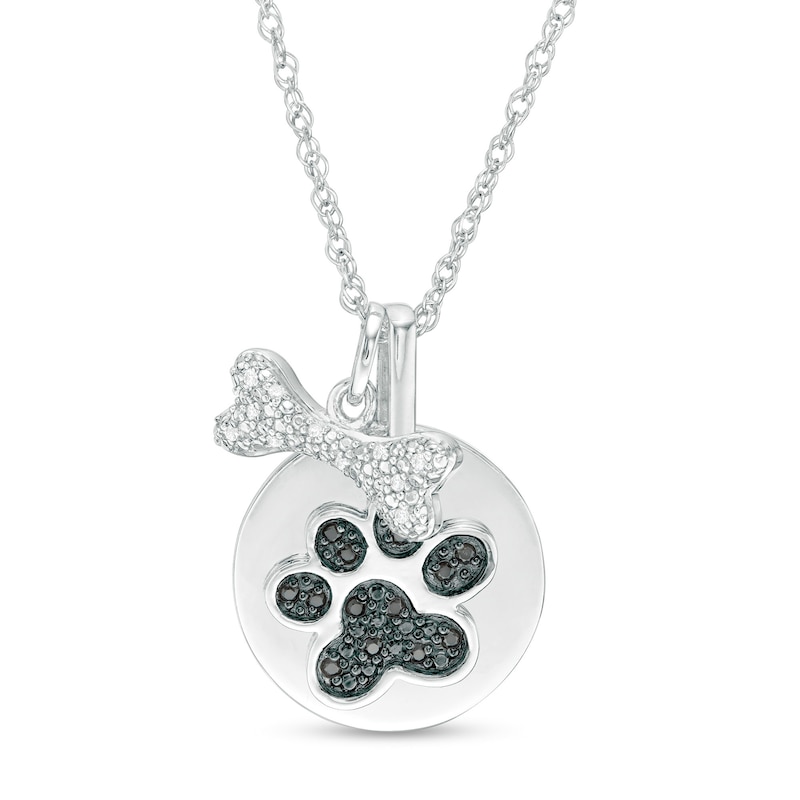












Find at Prairie Mall in Grande Prairie, AB
Visit at Prairie Mall in Grande Prairie, AB