


Gifting Made Simple
Give the Gift of ChoiceClick below to purchase a Prairie Mall eGift Card that can be used at participating retailers at Prairie Mall.Buy Gift CardHome
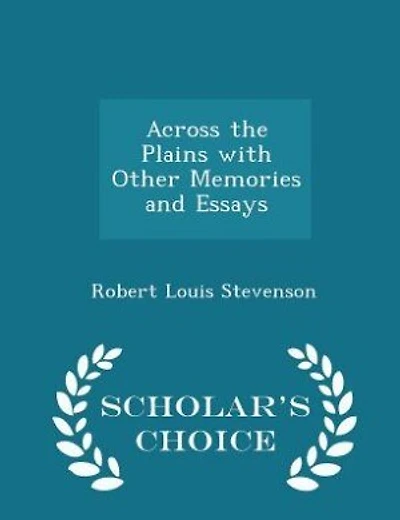
Across the Plains: With Other Memories and Essays
Coles
Loading Inventory...
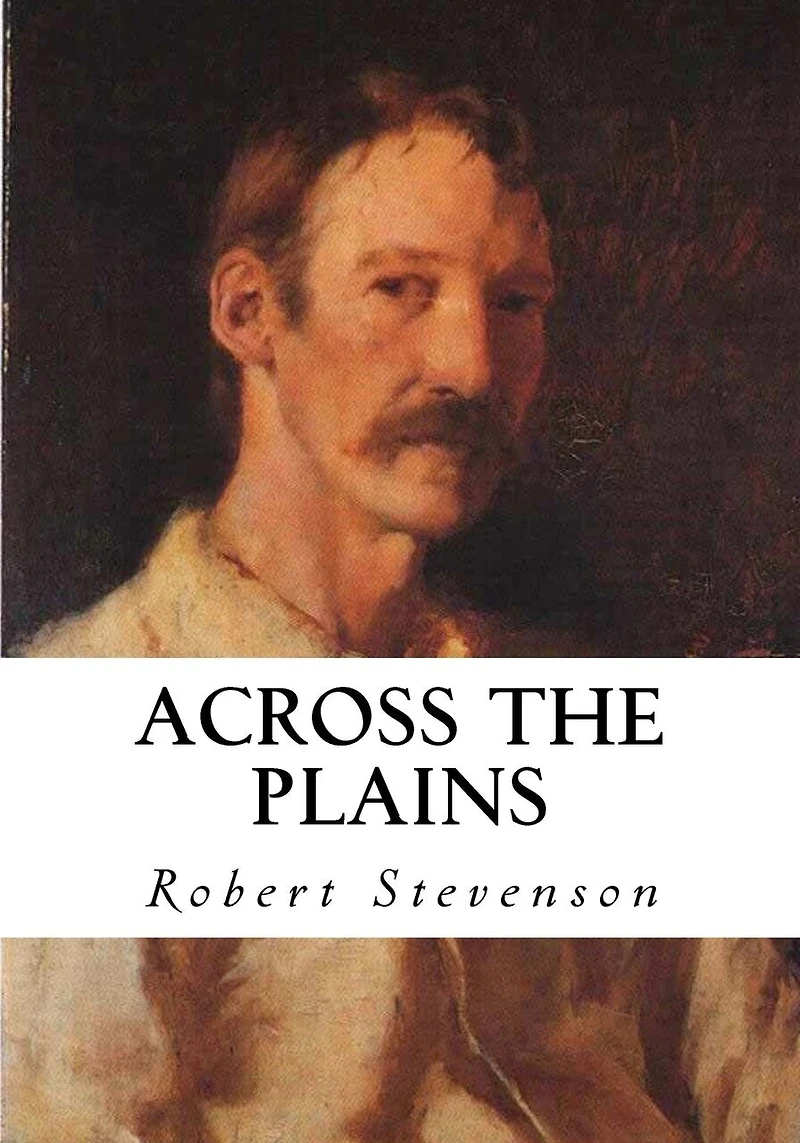
Across the Plains: With Other Memories and Essays in Grande Prairie, AB
Current price: $11.95
Coles
Across the Plains: With Other Memories and Essays in Grande Prairie, AB
Current price: $11.95
Loading Inventory...
Size: Paperback
*Product information and pricing may vary - to confirm current pricing, availability, shipping, and return information please contact Coles. In the event of a pricing discrepancy, the retailer's price will apply.
Across The Plains with Other Memories and Essays by Robert Louis Stevenson. Across the Plains (1892) is the middle section of Robert Louis Stevenson's three-part travel memoir which began with The Amateur Emigrant and ended with The Silverado Squatters. The book contains 12 chapters, each a story or essay unto itself. The title chapter is the longest, and is dividied into 7 subsections. It describes Stevenson's arrival at New York as an immigrant, along with hundreds of other Europeans, and his train journey from New York to San Francisco in an immigrant train. Stevenson describes the train as having three sections: one for women and children, one for men, and one for Chinese. He notes that while the Europeans looked down on the Chinese for being dirty, in fact the Chinese carriages were the freshest and their passengers the cleanest.
Across The Plains with Other Memories and Essays by Robert Louis Stevenson. Across the Plains (1892) is the middle section of Robert Louis Stevenson's three-part travel memoir which began with The Amateur Emigrant and ended with The Silverado Squatters. The book contains 12 chapters, each a story or essay unto itself. The title chapter is the longest, and is dividied into 7 subsections. It describes Stevenson's arrival at New York as an immigrant, along with hundreds of other Europeans, and his train journey from New York to San Francisco in an immigrant train. Stevenson describes the train as having three sections: one for women and children, one for men, and one for Chinese. He notes that while the Europeans looked down on the Chinese for being dirty, in fact the Chinese carriages were the freshest and their passengers the cleanest.
You May Also Like
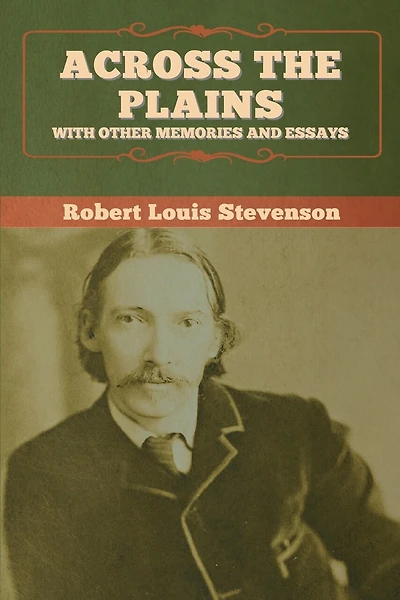








Find at Prairie Mall in Grande Prairie, AB
Visit at Prairie Mall in Grande Prairie, AB