


Gifting Made Simple
Give the Gift of ChoiceClick below to purchase a Prairie Mall eGift Card that can be used at participating retailers at Prairie Mall.Buy Gift CardHome
Academic Freedom in the Wired World: Political Extremism, Corporate Power, and the University
Coles
Loading Inventory...
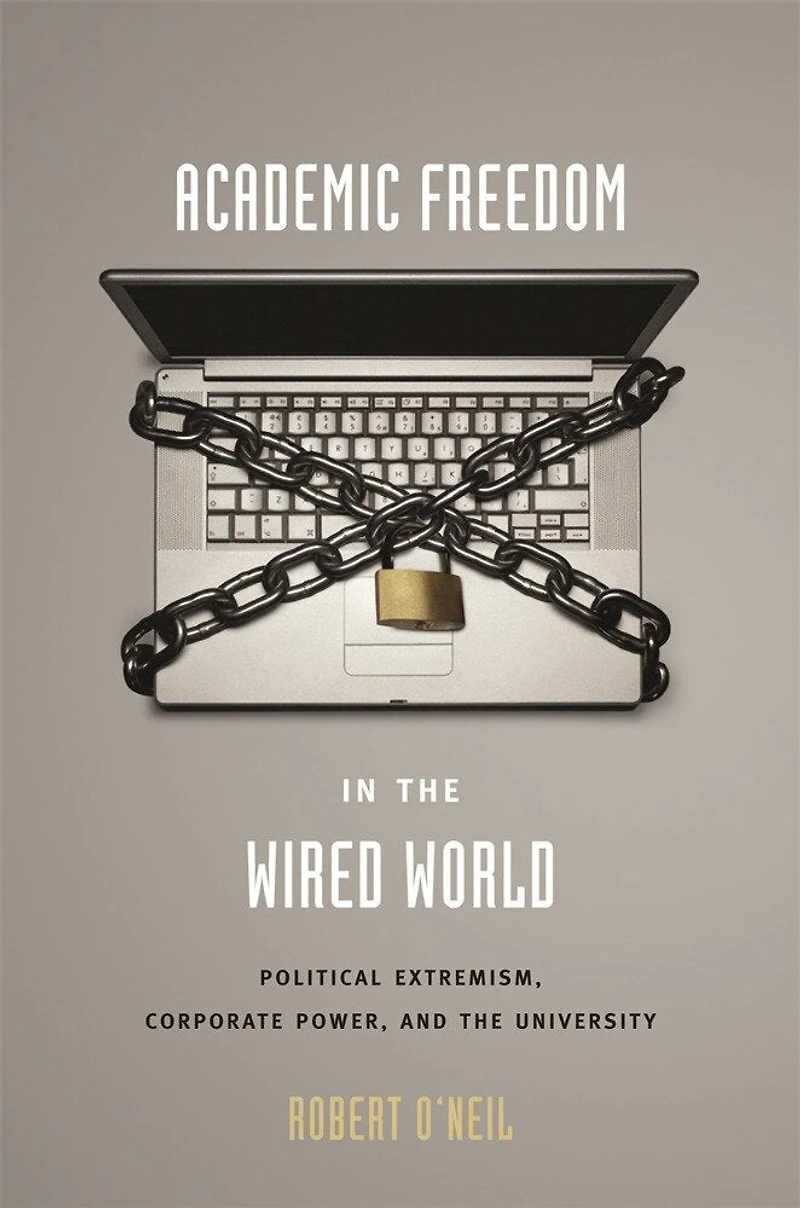
Academic Freedom in the Wired World: Political Extremism, Corporate Power, and the University in Grande Prairie, AB
Current price: $74.00
Coles
Academic Freedom in the Wired World: Political Extremism, Corporate Power, and the University in Grande Prairie, AB
Current price: $74.00
Loading Inventory...
Size: Hardcover
*Product information and pricing may vary - to confirm current pricing, availability, shipping, and return information please contact Coles. In the event of a pricing discrepancy, the retailer's price will apply.
In this passionately argued overview, a longtime activist-scholar takes readers through the changing landscape of academic freedom. From the aftermath of September 11th to the new frontier of blogging, Robert O'Neil examines the tension between institutional and individual interests. Many cases boil down to a hotly contested question: who has the right to decide what is taught in the classroom?
O'Neil shows how courts increasingly restrict professorial judgment, and how the feeble protection of what is posted on the Internet and written in email makes academics more vulnerable than ever. Even more provocatively, O'Neil argues, the newest threats to academic freedom come not from government, but from the private sector. Corporations increasingly sponsor and control university-based research, while self-appointed watchdogs systematically harass individual teachers on websites and blogs. Most troubling, these threats to academic freedom are nearly immune from legal recourse.
Insisting that new concepts of academic freedom, and new strategies for maintaining it are needed, O'Neil urges academics to work together--and across rigid and simplistic divisions between "left" and "right."
In this passionately argued overview, a longtime activist-scholar takes readers through the changing landscape of academic freedom. From the aftermath of September 11th to the new frontier of blogging, Robert O'Neil examines the tension between institutional and individual interests. Many cases boil down to a hotly contested question: who has the right to decide what is taught in the classroom?
O'Neil shows how courts increasingly restrict professorial judgment, and how the feeble protection of what is posted on the Internet and written in email makes academics more vulnerable than ever. Even more provocatively, O'Neil argues, the newest threats to academic freedom come not from government, but from the private sector. Corporations increasingly sponsor and control university-based research, while self-appointed watchdogs systematically harass individual teachers on websites and blogs. Most troubling, these threats to academic freedom are nearly immune from legal recourse.
Insisting that new concepts of academic freedom, and new strategies for maintaining it are needed, O'Neil urges academics to work together--and across rigid and simplistic divisions between "left" and "right."
You May Also Like








Find at Prairie Mall in Grande Prairie, AB
Visit at Prairie Mall in Grande Prairie, AB