


Gifting Made Simple
Give the Gift of ChoiceClick below to purchase a Prairie Mall eGift Card that can be used at participating retailers at Prairie Mall.Buy Gift CardHome
Academia and the People: Universities, Knowledge Communities, and Dissent in Central and Eastern Europe, ca. 1900-2025
Coles
Loading Inventory...
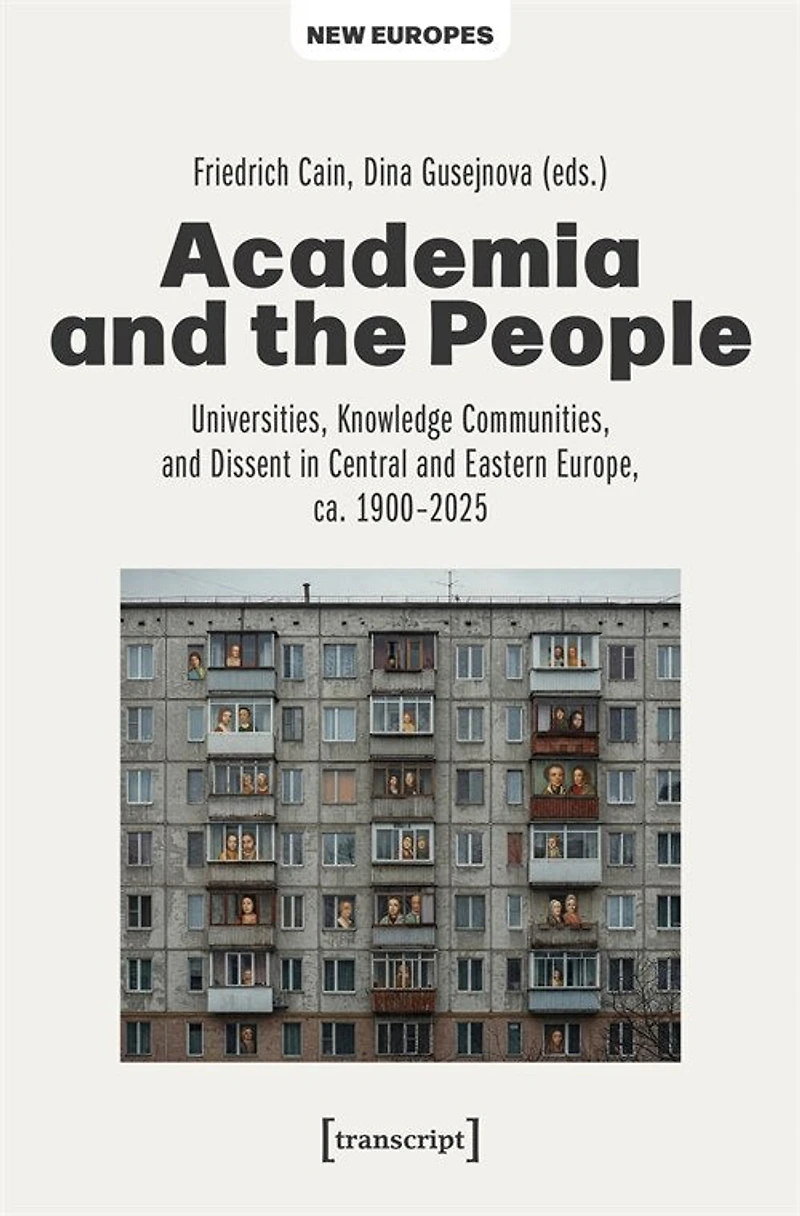
Academia and the People: Universities, Knowledge Communities, and Dissent in Central and Eastern Europe, ca. 1900-2025 in Grande Prairie, AB
Current price: $72.00
Coles
Academia and the People: Universities, Knowledge Communities, and Dissent in Central and Eastern Europe, ca. 1900-2025 in Grande Prairie, AB
Current price: $72.00
Loading Inventory...
Size: Paperback
*Product information and pricing may vary - to confirm current pricing, availability, shipping, and return information please contact Coles. In the event of a pricing discrepancy, the retailer's price will apply.
For the societies of Central and Eastern Europe, the century since the Balkan Wars has been a time of profound ruptures. This volume examines how academic communities lived through different transitions, such as the collapse of empires, the two World Wars, the Yugoslav and the post-Soviet wars. How did academic institutions relate to informal or underground social movements? What is the place of refugee scholars in the current moment of Russian expansionism? As they rethink the history of Europe’s universities, the contributors offer a new understanding of how knowledge communities have shaped, and been shaped by, upheaval, bridging the gap between histories of knowledge and new political histories of the region.
For the societies of Central and Eastern Europe, the century since the Balkan Wars has been a time of profound ruptures. This volume examines how academic communities lived through different transitions, such as the collapse of empires, the two World Wars, the Yugoslav and the post-Soviet wars. How did academic institutions relate to informal or underground social movements? What is the place of refugee scholars in the current moment of Russian expansionism? As they rethink the history of Europe’s universities, the contributors offer a new understanding of how knowledge communities have shaped, and been shaped by, upheaval, bridging the gap between histories of knowledge and new political histories of the region.
You May Also Like









Find at Prairie Mall in Grande Prairie, AB
Visit at Prairie Mall in Grande Prairie, AB