


Gifting Made Simple
Give the Gift of ChoiceClick below to purchase a Prairie Mall eGift Card that can be used at participating retailers at Prairie Mall.Buy Gift CardHome
Abolition Ecclesiology: A Spatial Theology for a Church Against Prisons
Coles
Loading Inventory...
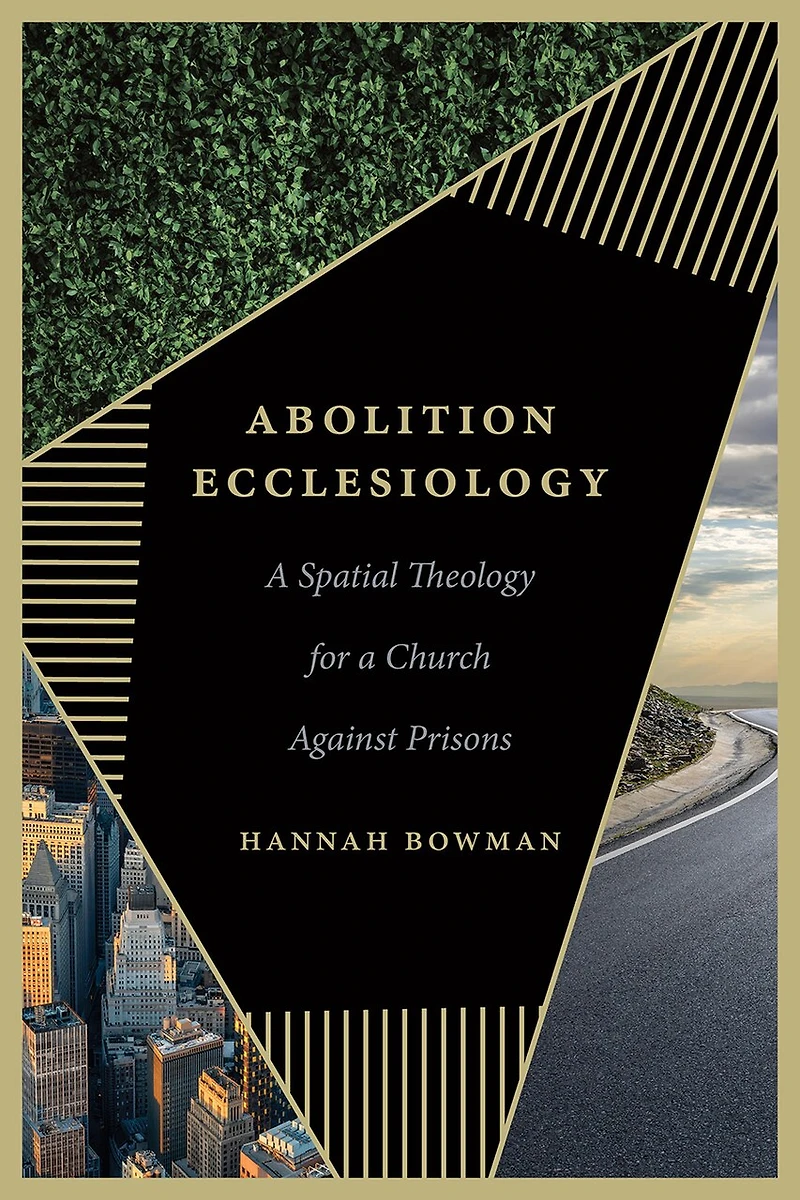
Abolition Ecclesiology: A Spatial Theology for a Church Against Prisons in Grande Prairie, AB
Current price: $53.00
Coles
Abolition Ecclesiology: A Spatial Theology for a Church Against Prisons in Grande Prairie, AB
Current price: $53.00
Loading Inventory...
Size: Hardcover
*Product information and pricing may vary - to confirm current pricing, availability, shipping, and return information please contact Coles. In the event of a pricing discrepancy, the retailer's price will apply.
Human beings are spatial creatures, and prisons are spatial phenomena. So, Hannah Bowman argues that the concepts of space and place provide an illuminating lens about the intersection of Christian theology and the prison-industrial complex. In Abolition Ecclesiology , Bowman explores ways that changing our spatial imaginaries can help Christians to create communities of real resistance to systems of exclusion, separation, and punishment that characterize prisons. By studying incarceration through a theology of space and place, Christians can begin constructing a theory of abolition ecclesiology.
Therefore, Abolition Ecclesiology offers a spatial analysis of theological beliefs that contribute to society's enormous reliance on incarceration and punishment. Then, it also presents a constructive vision that's grounded in spatial metaphors to help Christians imagine alternative communities that resist carceral mindsets. As a result, the book's theoretical focus on spatiality and related questions of ecclesiology and community-building supports a practical emphasis on how Christians might reclaim physical, social, and imaginative space from carcerality. Scholars of religion, theology, and mass incarceration will find that Abolition Ecclesiology offers a critical and substantial contribution to scholarly conversation and research regarding Christian abolition thought and theory.
Human beings are spatial creatures, and prisons are spatial phenomena. So, Hannah Bowman argues that the concepts of space and place provide an illuminating lens about the intersection of Christian theology and the prison-industrial complex. In Abolition Ecclesiology , Bowman explores ways that changing our spatial imaginaries can help Christians to create communities of real resistance to systems of exclusion, separation, and punishment that characterize prisons. By studying incarceration through a theology of space and place, Christians can begin constructing a theory of abolition ecclesiology.
Therefore, Abolition Ecclesiology offers a spatial analysis of theological beliefs that contribute to society's enormous reliance on incarceration and punishment. Then, it also presents a constructive vision that's grounded in spatial metaphors to help Christians imagine alternative communities that resist carceral mindsets. As a result, the book's theoretical focus on spatiality and related questions of ecclesiology and community-building supports a practical emphasis on how Christians might reclaim physical, social, and imaginative space from carcerality. Scholars of religion, theology, and mass incarceration will find that Abolition Ecclesiology offers a critical and substantial contribution to scholarly conversation and research regarding Christian abolition thought and theory.
You May Also Like












Find at Prairie Mall in Grande Prairie, AB
Visit at Prairie Mall in Grande Prairie, AB