


Gifting Made Simple
Give the Gift of ChoiceClick below to purchase a Prairie Mall eGift Card that can be used at participating retailers at Prairie Mall.Buy Gift CardHome
Abolishing State Violence: A World Beyond Bombs, Borders, and Cages
Coles
Loading Inventory...
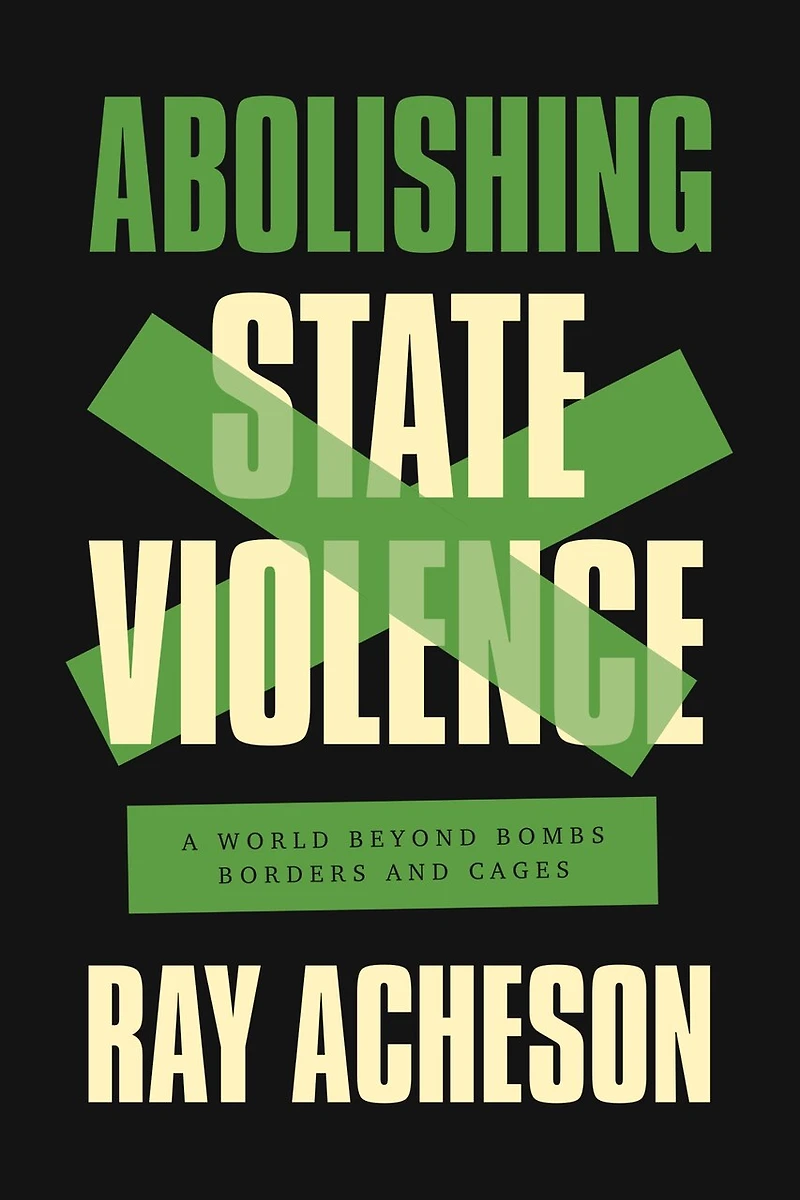
Abolishing State Violence: A World Beyond Bombs, Borders, and Cages in Grande Prairie, AB
Current price: $69.95
Coles
Abolishing State Violence: A World Beyond Bombs, Borders, and Cages in Grande Prairie, AB
Current price: $69.95
Loading Inventory...
Size: Hardcover
*Product information and pricing may vary - to confirm current pricing, availability, shipping, and return information please contact Coles. In the event of a pricing discrepancy, the retailer's price will apply.
Abolishing State Violence provides accessible insights and analysis about some of the key structures of violence in our world today, as well as the ongoing activism for their abolition.
The chapters of this book connect various movements for social justice, providing ideas for how activists can support and build on each other’s analysis and strategy. It shows that there are many, mutually supportive, abolition movements, each enhanced by a shared understanding of the relationships among various structures of violence and a shared framework for challenging them on the basis of their roots in patriarchy, racism, militarism, settler colonialism, and capitalism.
The book argues that abolition is transformative. It is about defunding, demilitarizing, disbanding, and divesting from current structures of violence, but also about imagining new ways to organize and care for each other and our planet, and about building new systems and cultures to sustain ourselves in a more equitable, free, and peaceful way. It shows that change is possible.
Abolishing State Violence provides accessible insights and analysis about some of the key structures of violence in our world today, as well as the ongoing activism for their abolition.
The chapters of this book connect various movements for social justice, providing ideas for how activists can support and build on each other’s analysis and strategy. It shows that there are many, mutually supportive, abolition movements, each enhanced by a shared understanding of the relationships among various structures of violence and a shared framework for challenging them on the basis of their roots in patriarchy, racism, militarism, settler colonialism, and capitalism.
The book argues that abolition is transformative. It is about defunding, demilitarizing, disbanding, and divesting from current structures of violence, but also about imagining new ways to organize and care for each other and our planet, and about building new systems and cultures to sustain ourselves in a more equitable, free, and peaceful way. It shows that change is possible.
You May Also Like















Find at Prairie Mall in Grande Prairie, AB
Visit at Prairie Mall in Grande Prairie, AB