


Gifting Made Simple
Give the Gift of ChoiceClick below to purchase a Prairie Mall eGift Card that can be used at participating retailers at Prairie Mall.Buy Gift CardHome
Abaca Frontier: The Socioeconomic and Cultural Transformation of Davao, 1898–1941
Coles
Loading Inventory...
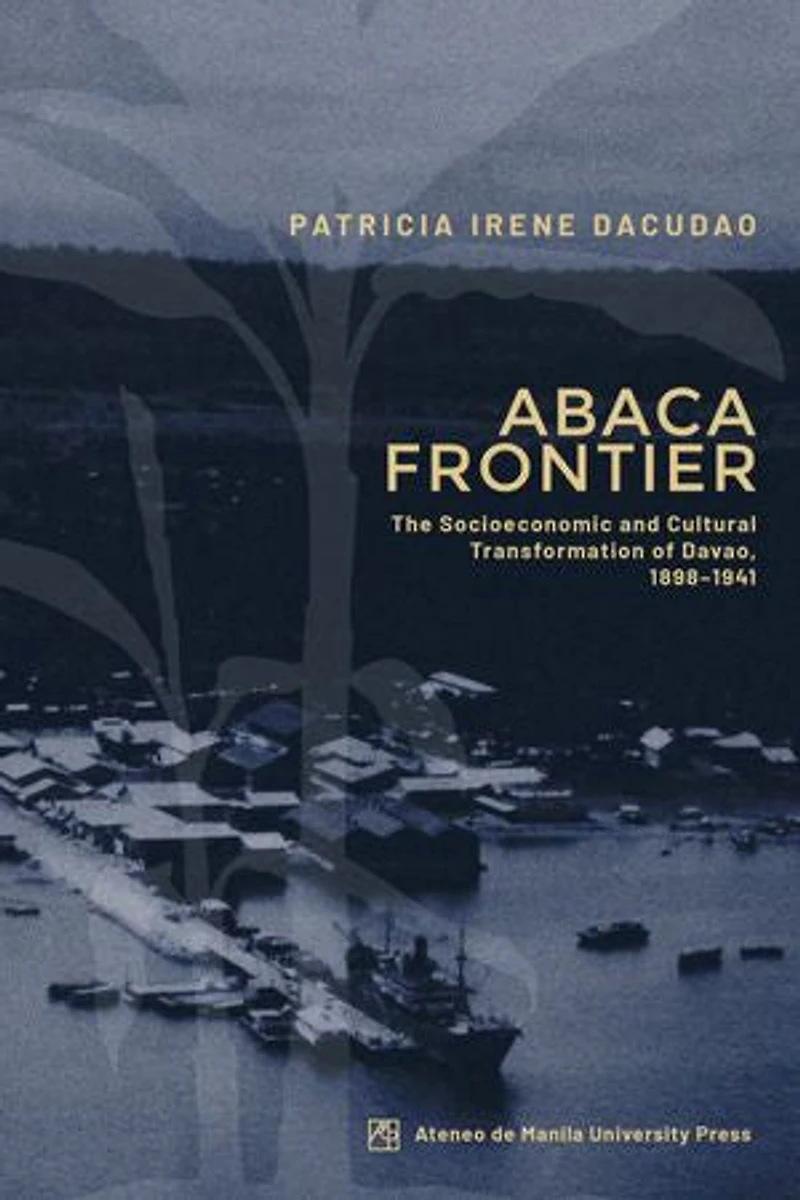
Abaca Frontier: The Socioeconomic and Cultural Transformation of Davao, 1898–1941 in Grande Prairie, AB
Current price: $27.99
Coles
Abaca Frontier: The Socioeconomic and Cultural Transformation of Davao, 1898–1941 in Grande Prairie, AB
Current price: $27.99
Loading Inventory...
Size: Kobo eBook
*Product information and pricing may vary - to confirm current pricing, availability, shipping, and return information please contact Coles. In the event of a pricing discrepancy, the retailer's price will apply.
Abaca Frontier: The Socioeconomic and Cultural Transformation of Davao, 1898–1941 presents the story of how abaca, a crop processed for cordage, became itself the rope that tied Davao and its inhabitants to international networks of commerce, culture, and the colonial developmental project. Straddling transoceanic US history, while still firmly situated in Philippine studies, this book boldly incorporates global forces into the retelling of local history. The historical voices woven into its narrative are diverse—Bagobo traders, Spanish missionaries, American housewives, Filipino settlers, Japanese laborers, and so on—each of whom found themselves in the Davao region in the early twentieth century for different reasons, yet all shared some vision of its promise. Sympathetic of its historical subjects, this book shows how the frontier imaginaries of various actors mobilized multicultural collaboration and cohabitation in strikingly, perhaps uniquely, peaceful ways. Abaca Frontier thus tells a new and welcome story, standing apart from the narratives of conflict and dispossession that are familiar to scholars of plantation industries and of Mindanao.
Abaca Frontier: The Socioeconomic and Cultural Transformation of Davao, 1898–1941 presents the story of how abaca, a crop processed for cordage, became itself the rope that tied Davao and its inhabitants to international networks of commerce, culture, and the colonial developmental project. Straddling transoceanic US history, while still firmly situated in Philippine studies, this book boldly incorporates global forces into the retelling of local history. The historical voices woven into its narrative are diverse—Bagobo traders, Spanish missionaries, American housewives, Filipino settlers, Japanese laborers, and so on—each of whom found themselves in the Davao region in the early twentieth century for different reasons, yet all shared some vision of its promise. Sympathetic of its historical subjects, this book shows how the frontier imaginaries of various actors mobilized multicultural collaboration and cohabitation in strikingly, perhaps uniquely, peaceful ways. Abaca Frontier thus tells a new and welcome story, standing apart from the narratives of conflict and dispossession that are familiar to scholars of plantation industries and of Mindanao.
You May Also Like













Find at Prairie Mall in Grande Prairie, AB
Visit at Prairie Mall in Grande Prairie, AB