


Gifting Made Simple
Give the Gift of ChoiceClick below to purchase a Prairie Mall eGift Card that can be used at participating retailers at Prairie Mall.Buy Gift CardHome
A World Laid Waste?: Responding To The Social, Cultural And Political Consequences Of Globalisation
Coles
Loading Inventory...
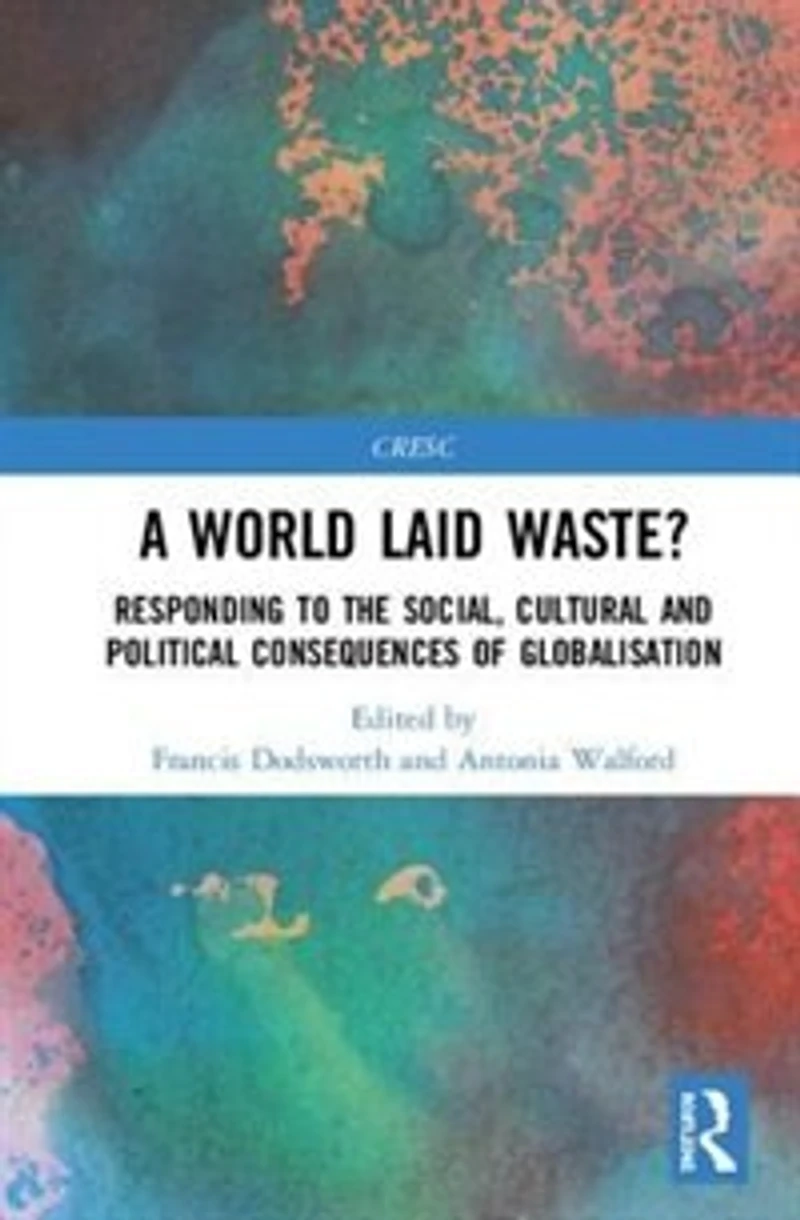
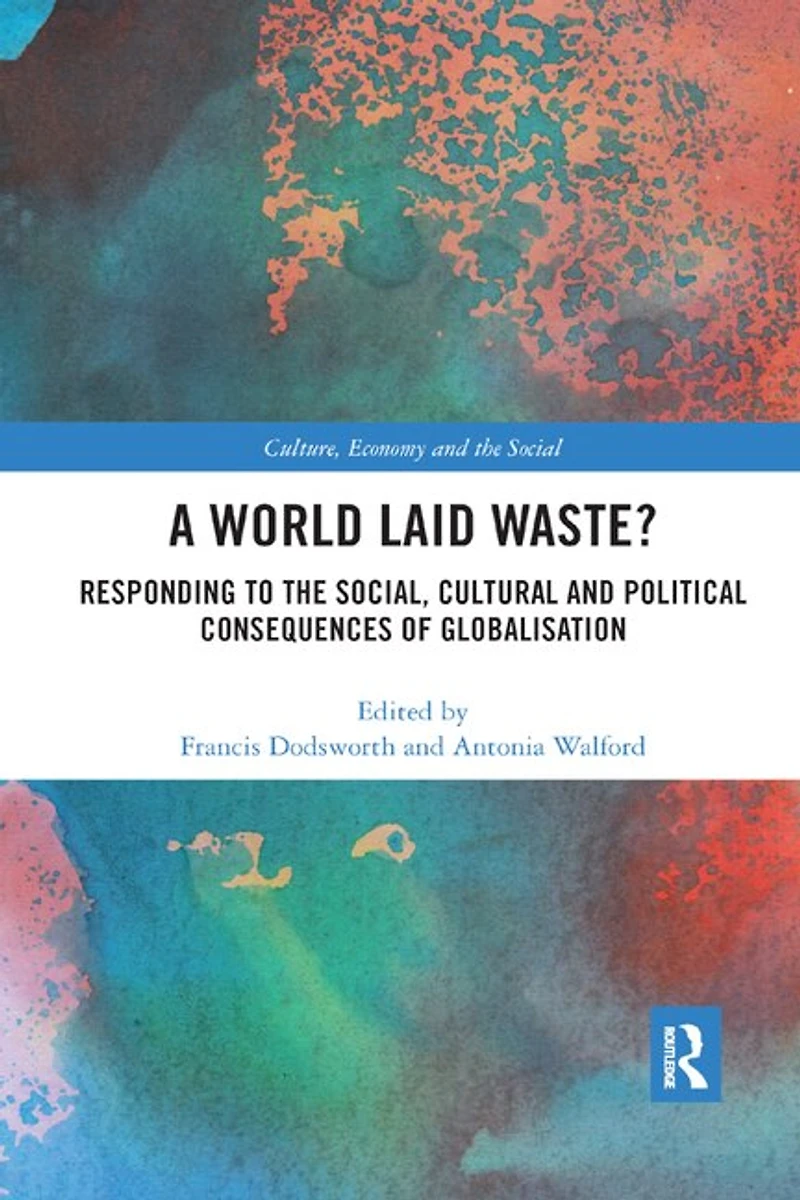
A World Laid Waste?: Responding To The Social, Cultural And Political Consequences Of Globalisation in Grande Prairie, AB
Current price: $333.50
Coles
A World Laid Waste?: Responding To The Social, Cultural And Political Consequences Of Globalisation in Grande Prairie, AB
Current price: $333.50
Loading Inventory...
Size: Hardcover
*Product information and pricing may vary - to confirm current pricing, availability, shipping, and return information please contact Coles. In the event of a pricing discrepancy, the retailer's price will apply.
Globalisation and neo-liberalism have seen the rise of new international powers, increasingly interlinked economies, and mass urbanisation. The internet, mobile communications and mass migration have transformed lives around the planet. For some, this has been positive and liberating, but it has also been destructive of settled communities and ways of living, ecologies, economies and livelihoods, cultural values, political programmes and identities. This edited volume uses the concept of waste to explore and critique the destructive impact of globalisation and neo-liberalism.
By bringing to bear the distinct perspectives of sociologists of class, religion and culture; anthropologists concerned with infrastructures, material waste and energy; and analysts from accounting and finance exploring financialization and supply chains, this collection explores how creative responses to the wastelands of globalisation can establish alternative, at times fragile, narratives of hope. Responding to the tendency in contemporary public and academic discourse to resort to a language of the 'laid to waste' or 'left behind' to make sense of social and cultural change, the authors of this volume focus on the practices and rhetorics of waste in a range of different empirical settings to reveal the spaces for political action and social imagination that are emerging even in times of polarisation, uncertainty and disillusionment.
This inter-disciplinary approach, developed through a decade of research in the ESRC Centre for Research on Socio-Cultural Change (CRESC), provides a distinctive perspective on the ways in which people in very different social and cultural contexts are negotiating the destructive and creative possibilities of recent political and economic change.
Globalisation and neo-liberalism have seen the rise of new international powers, increasingly interlinked economies, and mass urbanisation. The internet, mobile communications and mass migration have transformed lives around the planet. For some, this has been positive and liberating, but it has also been destructive of settled communities and ways of living, ecologies, economies and livelihoods, cultural values, political programmes and identities. This edited volume uses the concept of waste to explore and critique the destructive impact of globalisation and neo-liberalism.
By bringing to bear the distinct perspectives of sociologists of class, religion and culture; anthropologists concerned with infrastructures, material waste and energy; and analysts from accounting and finance exploring financialization and supply chains, this collection explores how creative responses to the wastelands of globalisation can establish alternative, at times fragile, narratives of hope. Responding to the tendency in contemporary public and academic discourse to resort to a language of the 'laid to waste' or 'left behind' to make sense of social and cultural change, the authors of this volume focus on the practices and rhetorics of waste in a range of different empirical settings to reveal the spaces for political action and social imagination that are emerging even in times of polarisation, uncertainty and disillusionment.
This inter-disciplinary approach, developed through a decade of research in the ESRC Centre for Research on Socio-Cultural Change (CRESC), provides a distinctive perspective on the ways in which people in very different social and cultural contexts are negotiating the destructive and creative possibilities of recent political and economic change.
You May Also Like
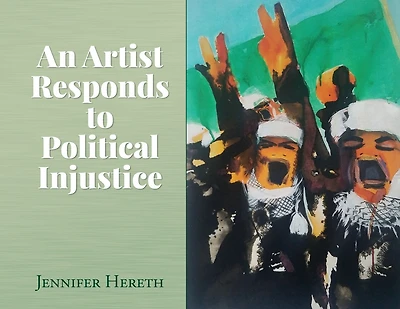









Find at Prairie Mall in Grande Prairie, AB
Visit at Prairie Mall in Grande Prairie, AB