


Gifting Made Simple
Give the Gift of ChoiceClick below to purchase a Prairie Mall eGift Card that can be used at participating retailers at Prairie Mall.Buy Gift CardHome
A Weary Land: Slavery on the Ground Arkansas
Coles
Loading Inventory...
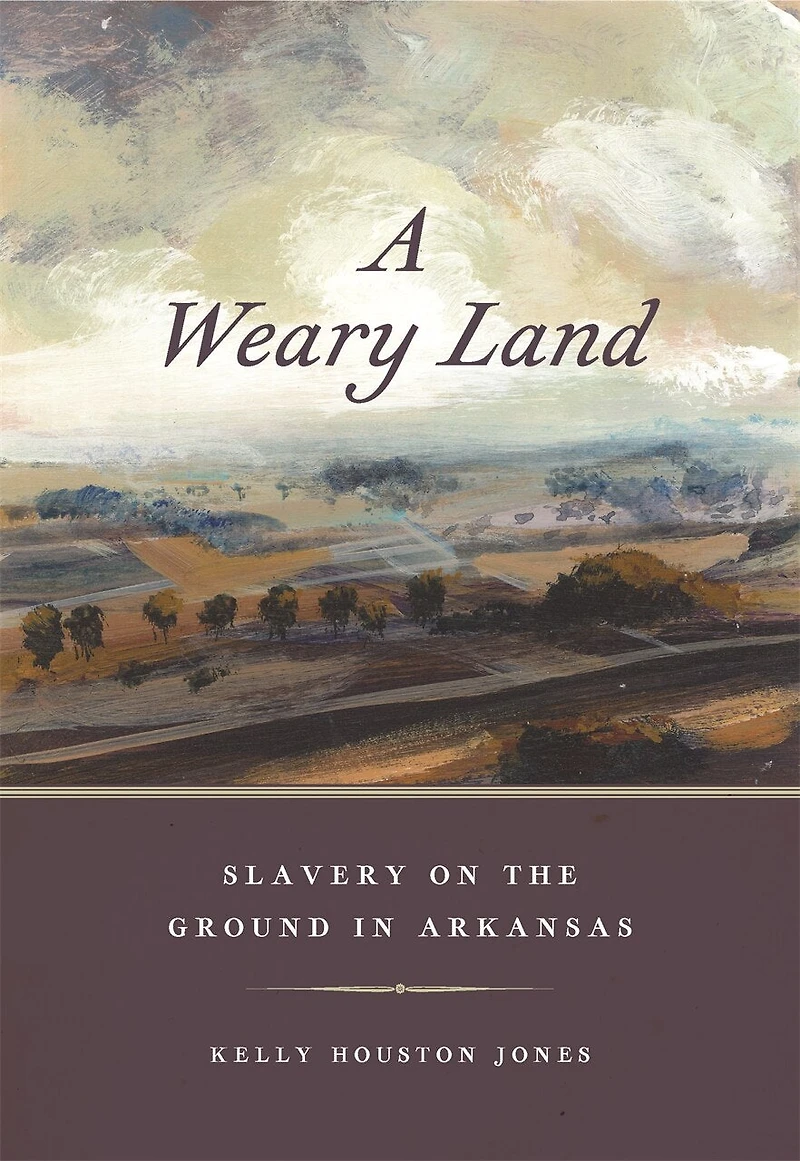
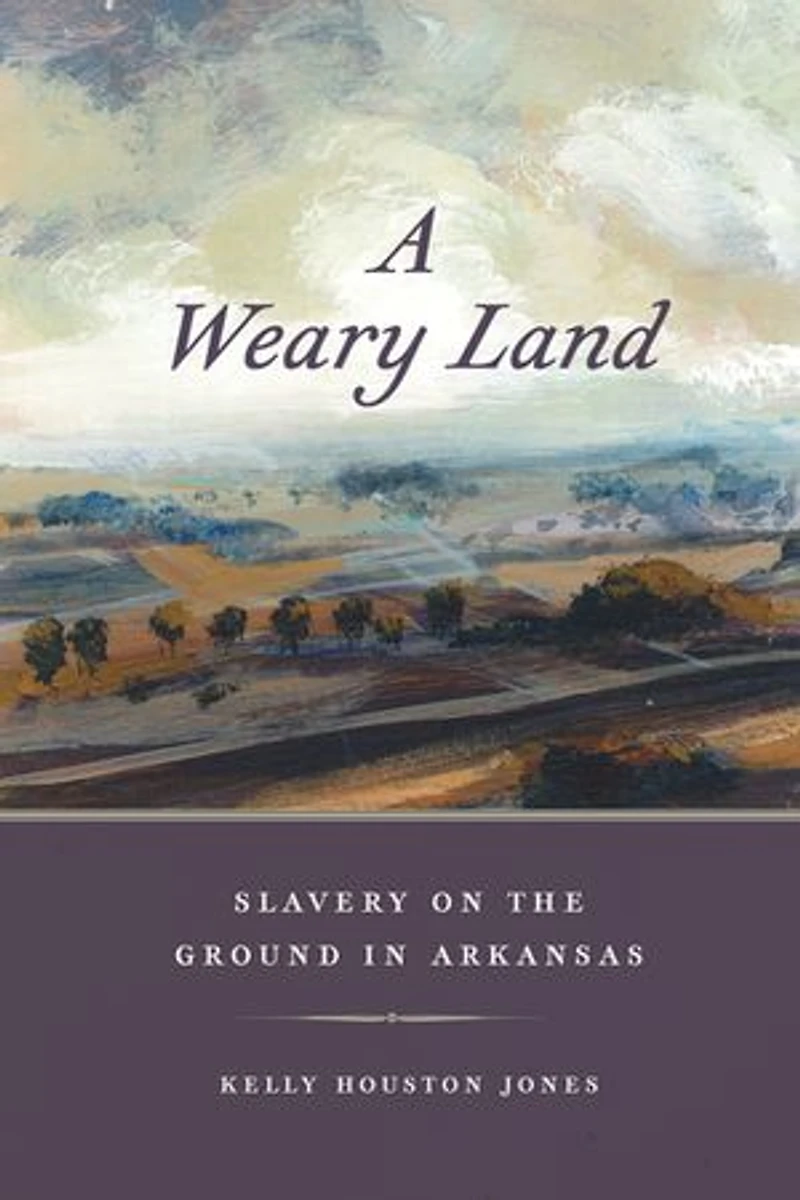
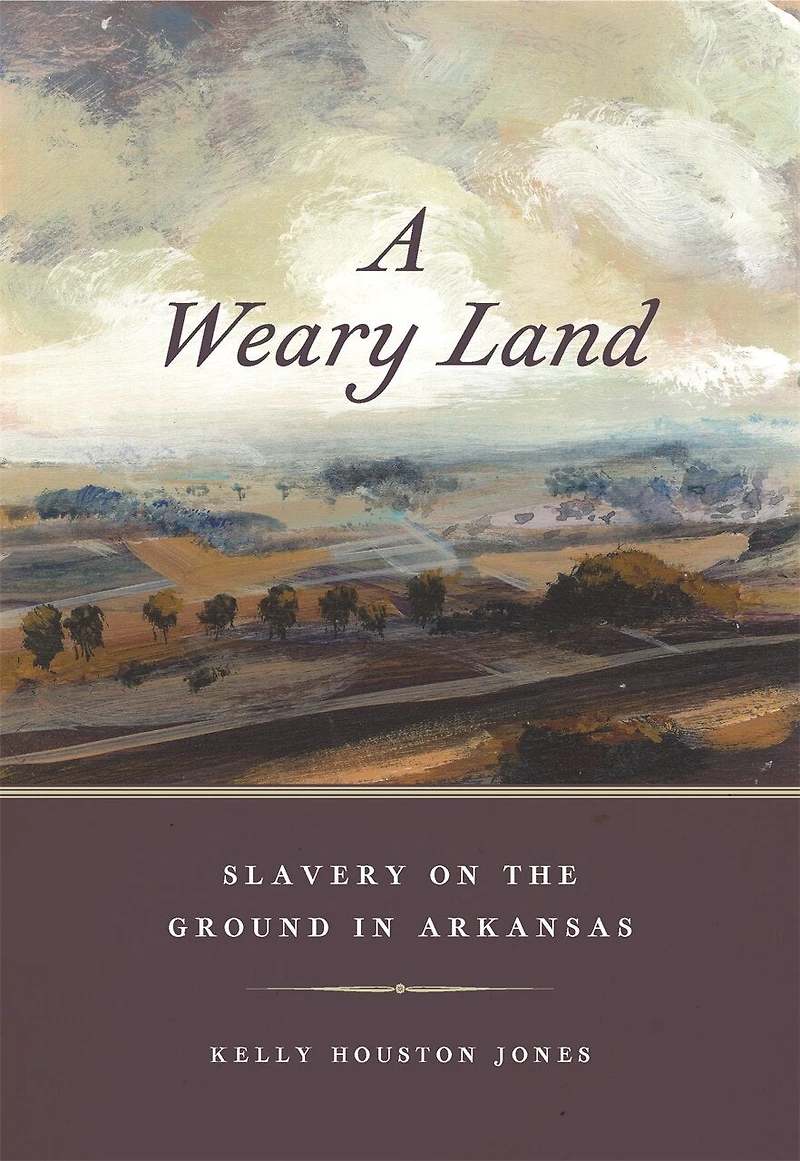
A Weary Land: Slavery on the Ground Arkansas in Grande Prairie, AB
Current price: $89.95
Coles
A Weary Land: Slavery on the Ground Arkansas in Grande Prairie, AB
Current price: $89.95
Loading Inventory...
Size: Hardcover
*Product information and pricing may vary - to confirm current pricing, availability, shipping, and return information please contact Coles. In the event of a pricing discrepancy, the retailer's price will apply.
In the first book-length study of Arkansas slavery in more than sixty years, A Weary Land offers a glimpse of enslaved life on the South’s western margins, focusing on the intersections of land use and agriculture within the daily life and work of bonded Black Arkansans. As they cleared trees, cultivated crops, and tended livestock on the southern frontier, Arkansas’s enslaved farmers connected culture and nature, creating their own meanings of space, place, and freedom.
Kelly Houston Jones analyzes how the arrival of enslaved men and women as an imprisoned workforce changed the meaning of Arkansas’s acreage, while their labor transformed its landscape. They made the most of their surroundings despite the brutality and increasing labor demands of the ?second slavery?—the increasingly harsh phase of American chattel bondage fueled by cotton cultivation in the Old Southwest. Jones contends that enslaved Arkansans were able to repurpose their experiences with agricultural labor, rural life, and the natural world to craft a sense of freedom rooted in the ability to own land, the power to control their own movement, and the right to use the landscape as they saw fit.
In the first book-length study of Arkansas slavery in more than sixty years, A Weary Land offers a glimpse of enslaved life on the South’s western margins, focusing on the intersections of land use and agriculture within the daily life and work of bonded Black Arkansans. As they cleared trees, cultivated crops, and tended livestock on the southern frontier, Arkansas’s enslaved farmers connected culture and nature, creating their own meanings of space, place, and freedom.
Kelly Houston Jones analyzes how the arrival of enslaved men and women as an imprisoned workforce changed the meaning of Arkansas’s acreage, while their labor transformed its landscape. They made the most of their surroundings despite the brutality and increasing labor demands of the ?second slavery?—the increasingly harsh phase of American chattel bondage fueled by cotton cultivation in the Old Southwest. Jones contends that enslaved Arkansans were able to repurpose their experiences with agricultural labor, rural life, and the natural world to craft a sense of freedom rooted in the ability to own land, the power to control their own movement, and the right to use the landscape as they saw fit.
You May Also Like












Find at Prairie Mall in Grande Prairie, AB
Visit at Prairie Mall in Grande Prairie, AB