


Gifting Made Simple
Give the Gift of ChoiceClick below to purchase a Prairie Mall eGift Card that can be used at participating retailers at Prairie Mall.Buy Gift CardHome
A Way of Life That Does Not Exist: Canada and the Extinguishment of the Innu
Coles
Loading Inventory...
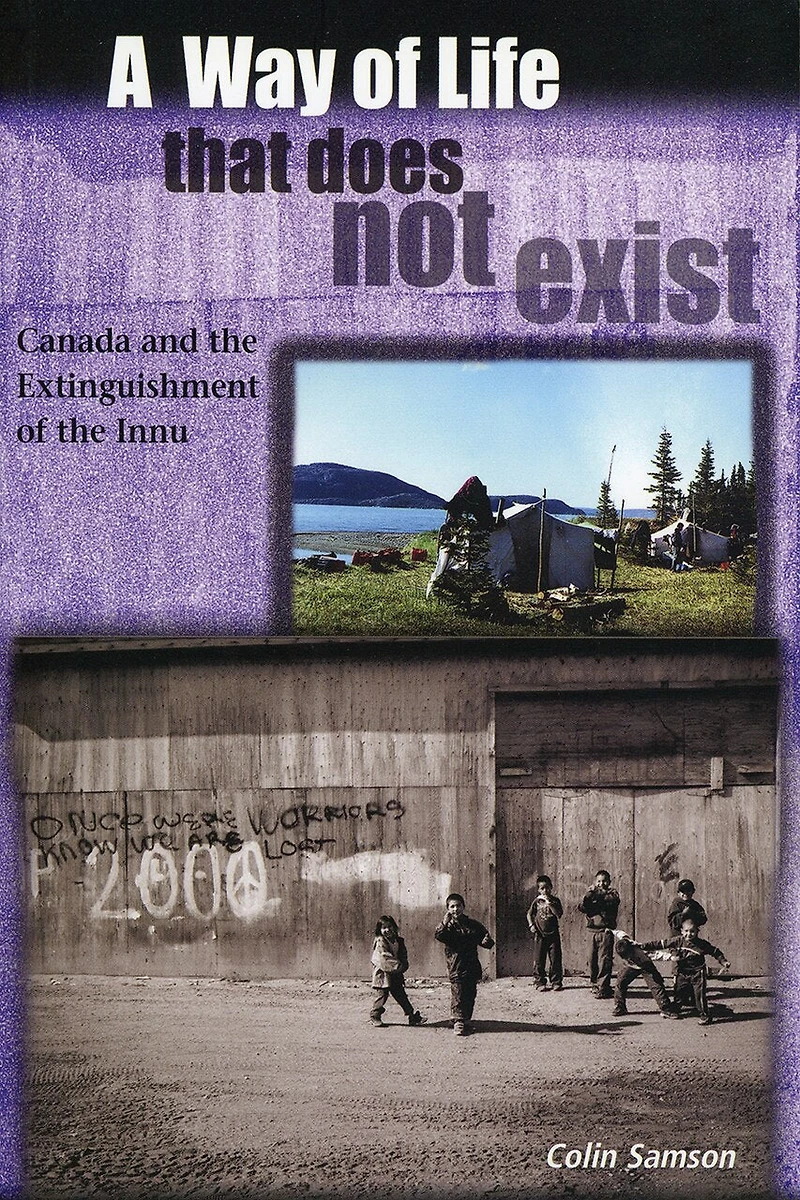
A Way of Life That Does Not Exist: Canada and the Extinguishment of the Innu in Grande Prairie, AB
Current price: $29.95
Coles
A Way of Life That Does Not Exist: Canada and the Extinguishment of the Innu in Grande Prairie, AB
Current price: $29.95
Loading Inventory...
Size: Paperback
*Product information and pricing may vary - to confirm current pricing, availability, shipping, and return information please contact Coles. In the event of a pricing discrepancy, the retailer's price will apply.
This book is about the social and political processes involved in the extinguishment of a unique way of life of the Innu people of Nitassinan, the Labrador-Quebec peninsula. In the 1950s and 60s, the Innu were prompted by Canadian authorities to abandon permanent nomadic hunting, the way of life that had made them independent and self-reliant occupants of the Subarctic. These people, who had occupied a territory the size of France, and for whom the land, waterways and animals provided physical, moral and spiritual sustenance, were settled in government-built villages in Northern Quebec and Labrador. Sustained efforts to impose Euro-Canadian authority upon the Innu have had the effect of seriously eroding not only a distinct way of life, but a unique view of the self, society, and the cosmos. Such efforts have also resulted in rates of suicide, alcoholism, and other forms of self-destructive abuse that are among the highest in the world.
By observing interactions between the Innu and the Euro-Canadian institutions imposed upon them, Samson examines how the attempt to destroy the Innu way of life has actually operated. The book looks in detail at Innu relations with the Canadian state, developers, explorers, missionaries, educators, health-care professionals, and the justice system.
This book is about the social and political processes involved in the extinguishment of a unique way of life of the Innu people of Nitassinan, the Labrador-Quebec peninsula. In the 1950s and 60s, the Innu were prompted by Canadian authorities to abandon permanent nomadic hunting, the way of life that had made them independent and self-reliant occupants of the Subarctic. These people, who had occupied a territory the size of France, and for whom the land, waterways and animals provided physical, moral and spiritual sustenance, were settled in government-built villages in Northern Quebec and Labrador. Sustained efforts to impose Euro-Canadian authority upon the Innu have had the effect of seriously eroding not only a distinct way of life, but a unique view of the self, society, and the cosmos. Such efforts have also resulted in rates of suicide, alcoholism, and other forms of self-destructive abuse that are among the highest in the world.
By observing interactions between the Innu and the Euro-Canadian institutions imposed upon them, Samson examines how the attempt to destroy the Innu way of life has actually operated. The book looks in detail at Innu relations with the Canadian state, developers, explorers, missionaries, educators, health-care professionals, and the justice system.
You May Also Like













Find at Prairie Mall in Grande Prairie, AB
Visit at Prairie Mall in Grande Prairie, AB