


Gifting Made Simple
Give the Gift of ChoiceClick below to purchase a Prairie Mall eGift Card that can be used at participating retailers at Prairie Mall.Buy Gift CardHome
A Vindication of the Rights Men; Woman; An Historical and Moral View French Revolution
Coles
Loading Inventory...
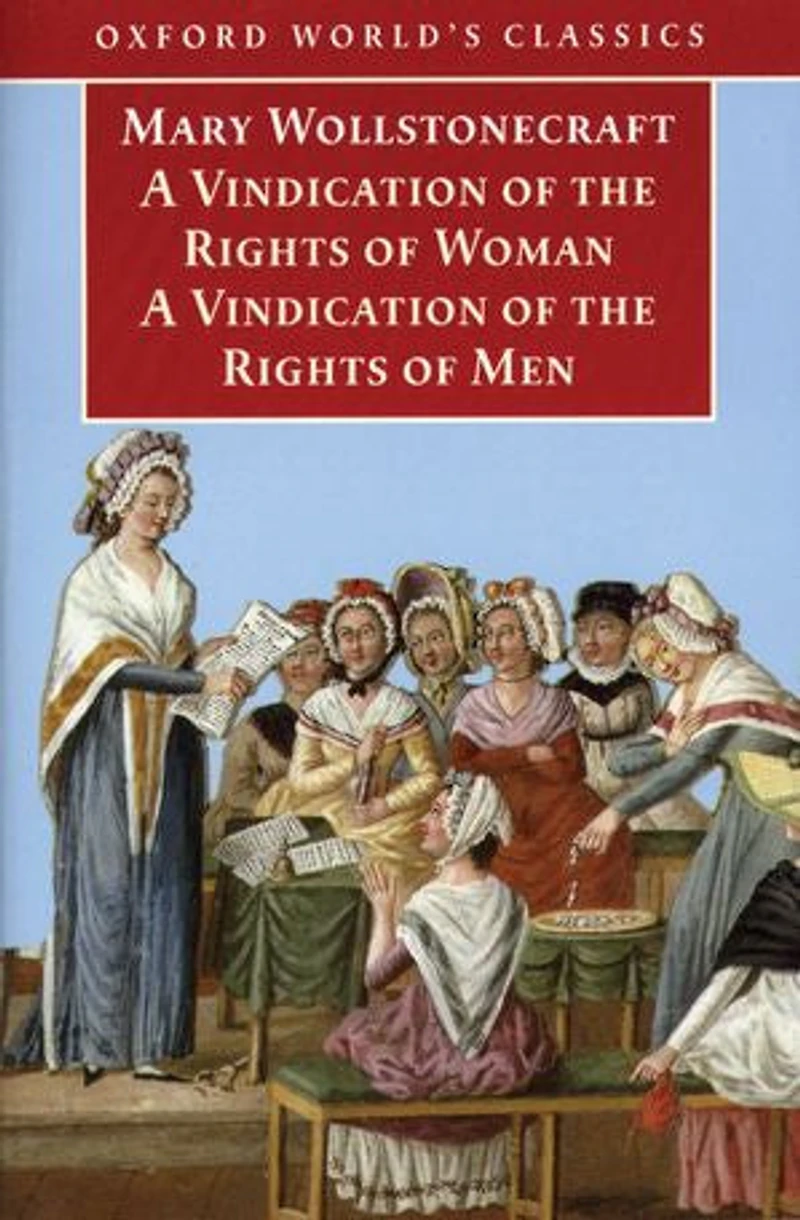
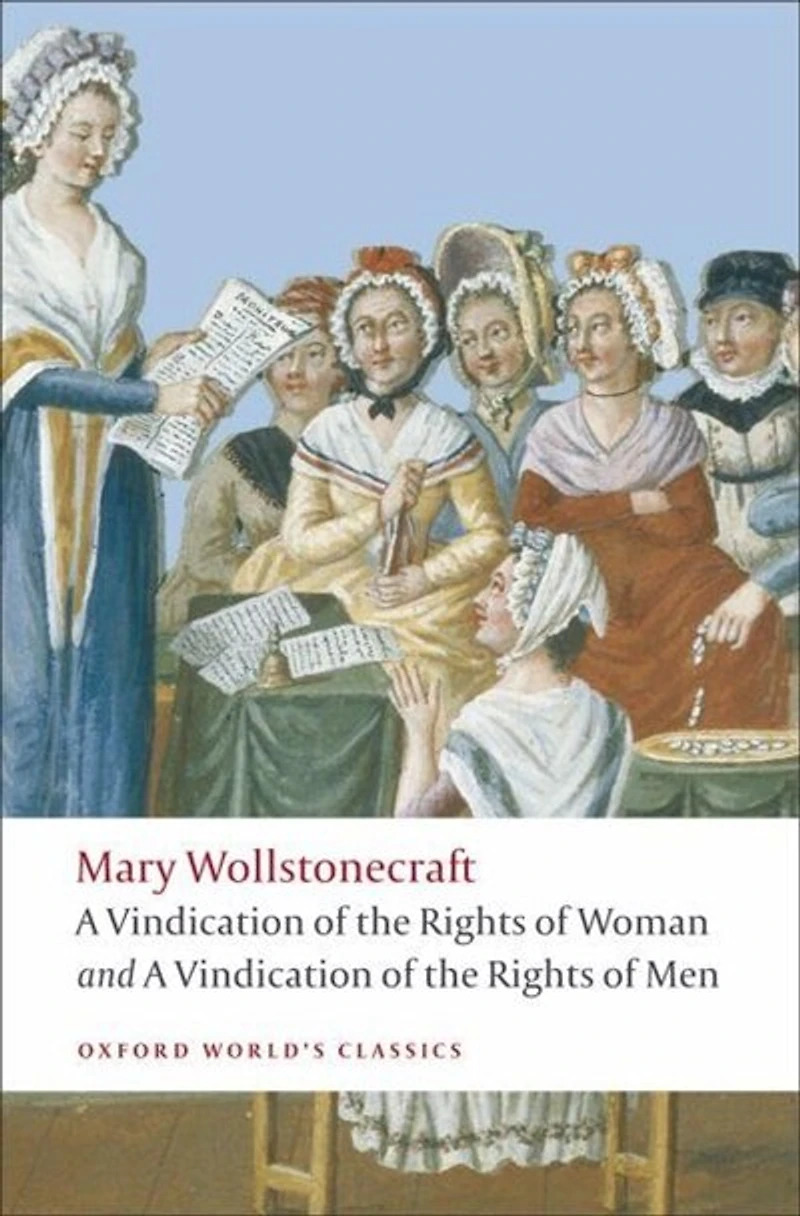
A Vindication of the Rights Men; Woman; An Historical and Moral View French Revolution in Grande Prairie, AB
Current price: $6.29
Original price: $6.99
Coles
A Vindication of the Rights Men; Woman; An Historical and Moral View French Revolution in Grande Prairie, AB
Current price: $6.29
Original price: $6.99
Loading Inventory...
Size: Kobo eBook
*Product information and pricing may vary - to confirm current pricing, availability, shipping, and return information please contact Coles. In the event of a pricing discrepancy, the retailer's price will apply.
This volume brings together the major political writings of Mary Wollstonecraft in the order in which they appeared in the revolutionary 1790s. It traces her passionate and indignant response to the excitement of the early days of the French Revolution and then her uneasiness at its later bloody phase. It reveals her developing understanding of women's involvement in the political and social life of the nation and her growing awareness of the relationship between politics and economics and between political institutions and the individual.
In personal terms, the works show her struggling with a belief in the perfectibility of human nature through rational education, a doctrine that became weaker under the onslaught of her own miserable experience and the revolutionary massacres.
Janet Todd's introduction illuminates the progress of Wollstonecraft's thought, showing that a reading of all three works allows her to emerge as a more substantial political writer than a study of The Rights of Woman alone can reveal.
This volume brings together the major political writings of Mary Wollstonecraft in the order in which they appeared in the revolutionary 1790s. It traces her passionate and indignant response to the excitement of the early days of the French Revolution and then her uneasiness at its later bloody phase. It reveals her developing understanding of women's involvement in the political and social life of the nation and her growing awareness of the relationship between politics and economics and between political institutions and the individual.
In personal terms, the works show her struggling with a belief in the perfectibility of human nature through rational education, a doctrine that became weaker under the onslaught of her own miserable experience and the revolutionary massacres.
Janet Todd's introduction illuminates the progress of Wollstonecraft's thought, showing that a reading of all three works allows her to emerge as a more substantial political writer than a study of The Rights of Woman alone can reveal.
You May Also Like









Find at Prairie Mall in Grande Prairie, AB
Visit at Prairie Mall in Grande Prairie, AB