


Gifting Made Simple
Give the Gift of ChoiceClick below to purchase a Prairie Mall eGift Card that can be used at participating retailers at Prairie Mall.Buy Gift CardHome
A Village from the Roman and Islamic Periods in the Eastern Jordan Valley: Excavations at Tell Abu Sarbut 2012 - 2015
Coles
Loading Inventory...
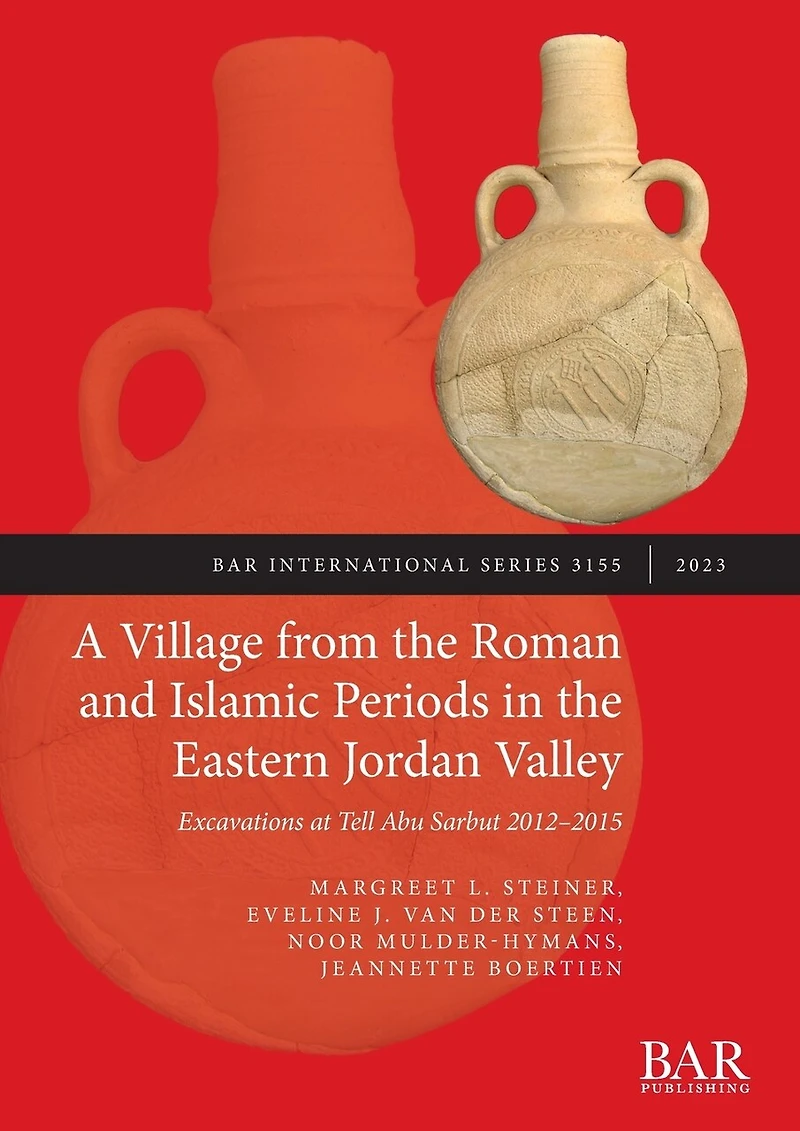
A Village from the Roman and Islamic Periods in the Eastern Jordan Valley: Excavations at Tell Abu Sarbut 2012 - 2015 in Grande Prairie, AB
Current price: $69.00
Coles
A Village from the Roman and Islamic Periods in the Eastern Jordan Valley: Excavations at Tell Abu Sarbut 2012 - 2015 in Grande Prairie, AB
Current price: $69.00
Loading Inventory...
Size: Paperback
*Product information and pricing may vary - to confirm current pricing, availability, shipping, and return information please contact Coles. In the event of a pricing discrepancy, the retailer's price will apply.
From 2012 to 2015, a team of scholars under the auspices of Groningen University excavated at Tell Abu Sarbut in the Eastern Jordan Valley. They uncovered Early Roman, Early Islamic and Middle Islamic remains. The Early Roman occupation was unexpected, as this period had not been documented in regional surveys or when the site was last excavated in 1988-1992. Evidence suggests the inhabitants of the estate or village had strong ties with Jewish communities west of the River Jordan. The three-meter-thick deposit of Early Islamic occupation showed the region's interaction with the wider Islamic world. Middle Islamic remains had been extensively excavated in the earlier excavation as well.The publication includes studies on architecture, pottery and other finds, as well as the occupational history of the site.
From 2012 to 2015, a team of scholars under the auspices of Groningen University excavated at Tell Abu Sarbut in the Eastern Jordan Valley. They uncovered Early Roman, Early Islamic and Middle Islamic remains. The Early Roman occupation was unexpected, as this period had not been documented in regional surveys or when the site was last excavated in 1988-1992. Evidence suggests the inhabitants of the estate or village had strong ties with Jewish communities west of the River Jordan. The three-meter-thick deposit of Early Islamic occupation showed the region's interaction with the wider Islamic world. Middle Islamic remains had been extensively excavated in the earlier excavation as well.The publication includes studies on architecture, pottery and other finds, as well as the occupational history of the site.
You May Also Like















Find at Prairie Mall in Grande Prairie, AB
Visit at Prairie Mall in Grande Prairie, AB