


Gifting Made Simple
Give the Gift of ChoiceClick below to purchase a Prairie Mall eGift Card that can be used at participating retailers at Prairie Mall.Buy Gift CardHome
A 'Toxic Genre': The Iraq War Films
Coles
Loading Inventory...
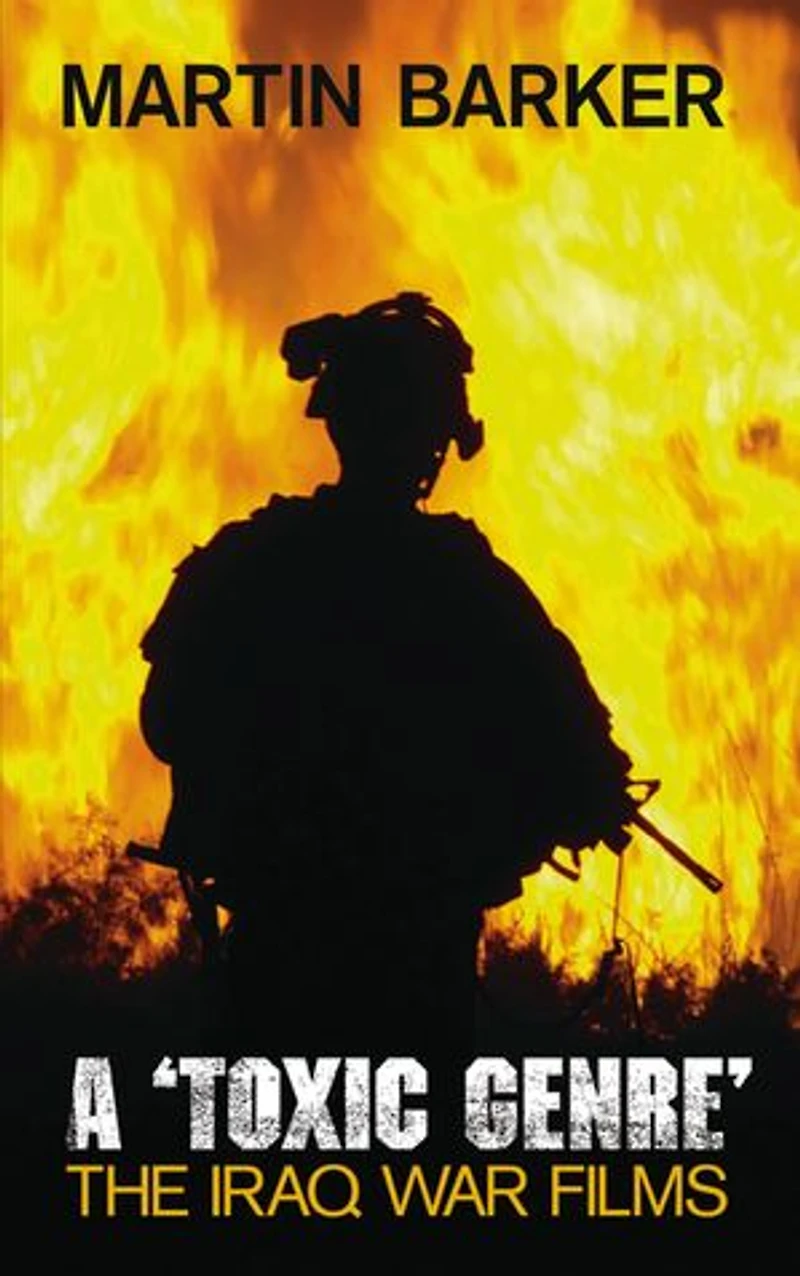
A 'Toxic Genre': The Iraq War Films in Grande Prairie, AB
Current price: $40.19
Original price: $50.22
Coles
A 'Toxic Genre': The Iraq War Films in Grande Prairie, AB
Current price: $40.19
Original price: $50.22
Loading Inventory...
Size: Kobo eBook
*Product information and pricing may vary - to confirm current pricing, availability, shipping, and return information please contact Coles. In the event of a pricing discrepancy, the retailer's price will apply.
Over the last five years, a cycle of films has emerged addressing the ongoing Iraq conflict. Some became well-known and one of them, The Hurt Locker, won a string of Oscars. But many others disappeared into obscurity. What is it about these films that led Variety to dub them a 'toxic genre'?
Martin Barker analyses the production and reception of these recent Iraq war films. Among the issues he examines are the borrowing of soldiers' YouTube styles of self-representation to generate an 'authentic' Iraq experience, and how they take refuge in 'apolitical' post-traumatic stress disorder. Barker also looks afresh at some classic issues in film theory: the problems of accounting for film 'failures', the shaping role of production systems, the significance of genre-naming and the impact of that 'toxic' label.
A 'Toxic Genre' is fascinating reading for film studies students and anyone interested in cinema's portrayal of modern warfare.
Over the last five years, a cycle of films has emerged addressing the ongoing Iraq conflict. Some became well-known and one of them, The Hurt Locker, won a string of Oscars. But many others disappeared into obscurity. What is it about these films that led Variety to dub them a 'toxic genre'?
Martin Barker analyses the production and reception of these recent Iraq war films. Among the issues he examines are the borrowing of soldiers' YouTube styles of self-representation to generate an 'authentic' Iraq experience, and how they take refuge in 'apolitical' post-traumatic stress disorder. Barker also looks afresh at some classic issues in film theory: the problems of accounting for film 'failures', the shaping role of production systems, the significance of genre-naming and the impact of that 'toxic' label.
A 'Toxic Genre' is fascinating reading for film studies students and anyone interested in cinema's portrayal of modern warfare.
You May Also Like













Find at Prairie Mall in Grande Prairie, AB
Visit at Prairie Mall in Grande Prairie, AB