


Gifting Made Simple
Give the Gift of ChoiceClick below to purchase a Prairie Mall eGift Card that can be used at participating retailers at Prairie Mall.Buy Gift CardHome
A Third Path: Corporatism Brazil and Portugal
Coles
Loading Inventory...
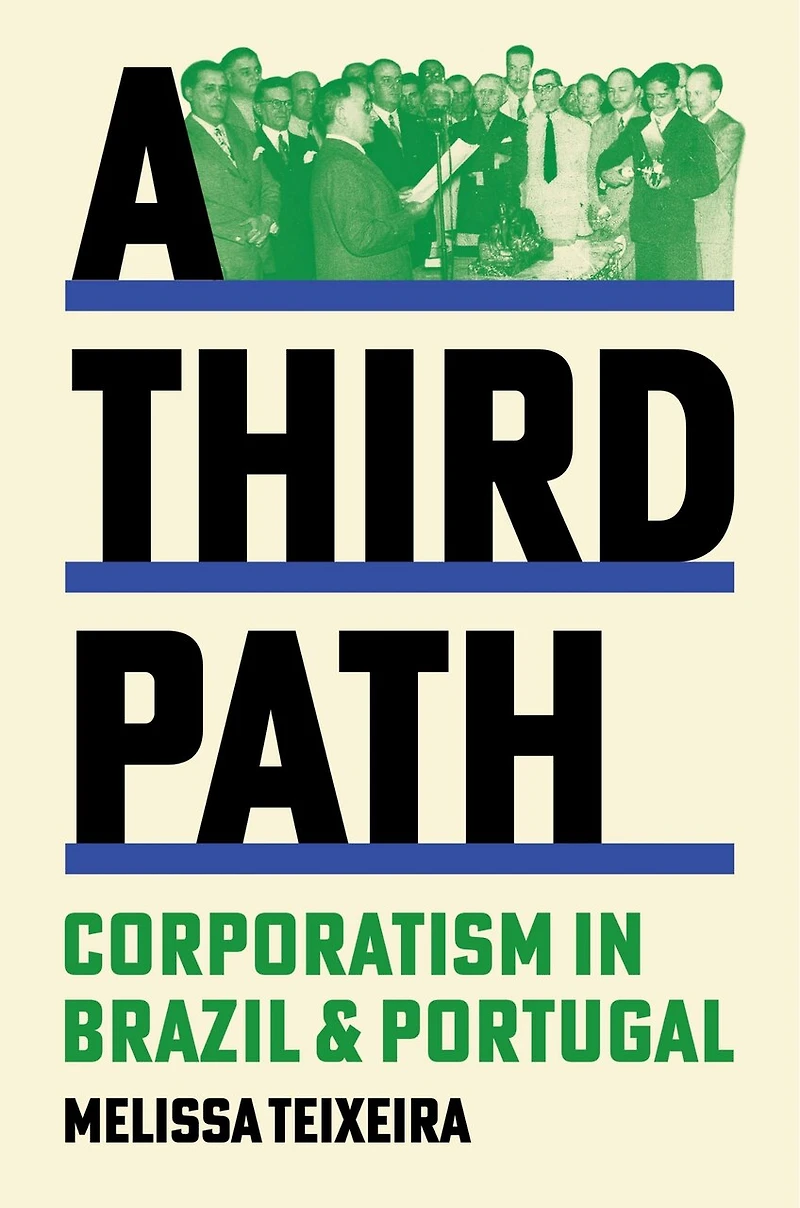
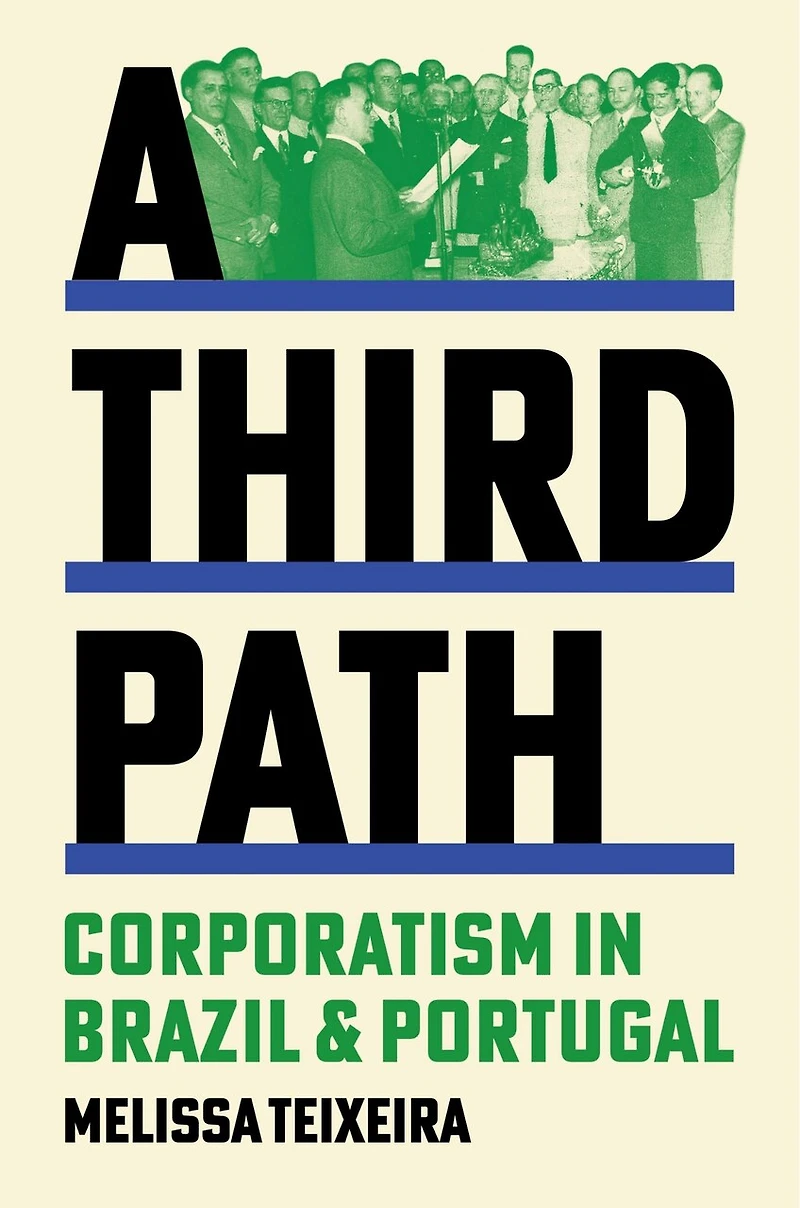
A Third Path: Corporatism Brazil and Portugal in Grande Prairie, AB
Current price: $57.00
Coles
A Third Path: Corporatism Brazil and Portugal in Grande Prairie, AB
Current price: $57.00
Loading Inventory...
Size: Hardcover
*Product information and pricing may vary - to confirm current pricing, availability, shipping, and return information please contact Coles. In the event of a pricing discrepancy, the retailer's price will apply.
How Brazil and Portugal experimented with corporatism as a “third path” between laissez-faire capitalism and communism
Following the Great Depression, as the world searched for new economic models, Brazil and Portugal experimented with corporatism as a “third path” between laissez-faire capitalism and communism. In a corporatist society, the government vertically integrates economic and social groups into the state so that it can manage labor and economic production. In the 1930s, the dictatorships of Getúlio Vargas in Brazil and António de Oliveira Salazar in the Portuguese Empire seized upon corporatist ideas to jump-start state-led economic development. In A Third Path , Melissa Teixeira examines these pivotal but still understudied initiatives.
What distinguished Portuguese and Brazilian corporatism from other countries’ experiments with the mixed economy was how Vargas and Salazar dismantled liberal democratic institutions, celebrating their efforts to limit individual freedoms and property in pursuit of economic recovery and social peace. By tracing the movement of people and ideas across the South Atlantic, Teixeira vividly shows how two countries not often studied for their economic creativity became major centers for policy experimentation. Portuguese and Brazilian officials created laws and agencies to control pricing and production, which in turn generated new social frictions and economic problems, as individuals and firms tried to evade the rules. And yet, Teixeira argues, despite the failings and frustrations of Brazil’s and Portugal’s corporatist experiments, the ideas and institutions tested in the 1930s and 1940s constituted a new legal and technical tool kit for the rise of economic planning, shaping how governments regulate labor and market relations to the present day.
How Brazil and Portugal experimented with corporatism as a “third path” between laissez-faire capitalism and communism
Following the Great Depression, as the world searched for new economic models, Brazil and Portugal experimented with corporatism as a “third path” between laissez-faire capitalism and communism. In a corporatist society, the government vertically integrates economic and social groups into the state so that it can manage labor and economic production. In the 1930s, the dictatorships of Getúlio Vargas in Brazil and António de Oliveira Salazar in the Portuguese Empire seized upon corporatist ideas to jump-start state-led economic development. In A Third Path , Melissa Teixeira examines these pivotal but still understudied initiatives.
What distinguished Portuguese and Brazilian corporatism from other countries’ experiments with the mixed economy was how Vargas and Salazar dismantled liberal democratic institutions, celebrating their efforts to limit individual freedoms and property in pursuit of economic recovery and social peace. By tracing the movement of people and ideas across the South Atlantic, Teixeira vividly shows how two countries not often studied for their economic creativity became major centers for policy experimentation. Portuguese and Brazilian officials created laws and agencies to control pricing and production, which in turn generated new social frictions and economic problems, as individuals and firms tried to evade the rules. And yet, Teixeira argues, despite the failings and frustrations of Brazil’s and Portugal’s corporatist experiments, the ideas and institutions tested in the 1930s and 1940s constituted a new legal and technical tool kit for the rise of economic planning, shaping how governments regulate labor and market relations to the present day.
You May Also Like
















Find at Prairie Mall in Grande Prairie, AB
Visit at Prairie Mall in Grande Prairie, AB