


Gifting Made Simple
Give the Gift of ChoiceClick below to purchase a Prairie Mall eGift Card that can be used at participating retailers at Prairie Mall.Buy Gift CardHome
A Theory of Regret
Coles
Loading Inventory...
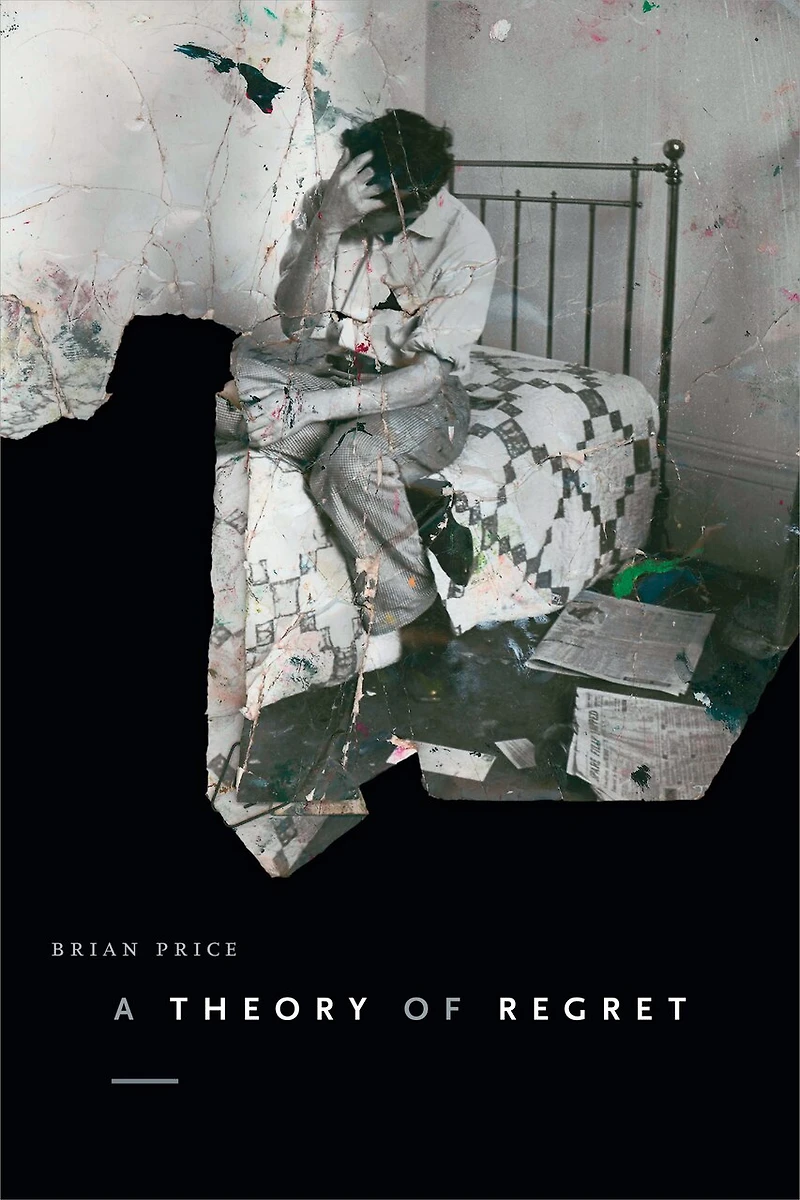
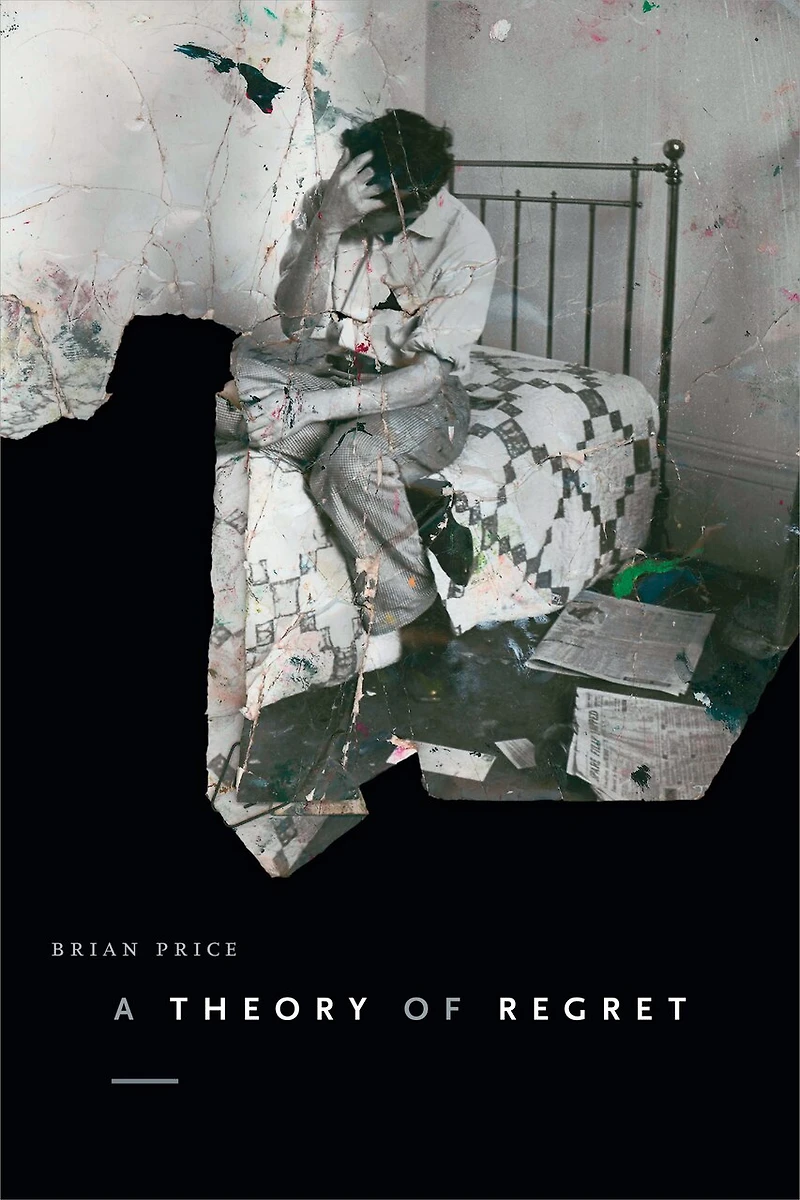
A Theory of Regret in Grande Prairie, AB
Current price: $155.95
Coles
A Theory of Regret in Grande Prairie, AB
Current price: $155.95
Loading Inventory...
Size: Hardcover
*Product information and pricing may vary - to confirm current pricing, availability, shipping, and return information please contact Coles. In the event of a pricing discrepancy, the retailer's price will apply.
In A Theory of Regret Brian Price contends that regret is better understood as an important political emotion than as a form of weakness. Price shows how regret allows us to see that our convictions are more often the products of our perceptual habits than the authentic signs of moral courage that we more regularly take them to be. Regret teaches us to give up our expectations of what we think should or might occur in the future, and also the idea that what we think we should do will always be the right thing to do. Understood instead as a mode of thoughtfulness, regret helps us to clarify our will in relation to the decisions we make within institutional forms of existence. Considering regret in relation to emancipatory theories of thinking, Price shows how the unconditionally transformative nature of this emotion helps us become more sensitive to contingency and allows us, in turn, to recognize the steps we can take toward changing the institutions that shape our lives.
In A Theory of Regret Brian Price contends that regret is better understood as an important political emotion than as a form of weakness. Price shows how regret allows us to see that our convictions are more often the products of our perceptual habits than the authentic signs of moral courage that we more regularly take them to be. Regret teaches us to give up our expectations of what we think should or might occur in the future, and also the idea that what we think we should do will always be the right thing to do. Understood instead as a mode of thoughtfulness, regret helps us to clarify our will in relation to the decisions we make within institutional forms of existence. Considering regret in relation to emancipatory theories of thinking, Price shows how the unconditionally transformative nature of this emotion helps us become more sensitive to contingency and allows us, in turn, to recognize the steps we can take toward changing the institutions that shape our lives.
You May Also Like








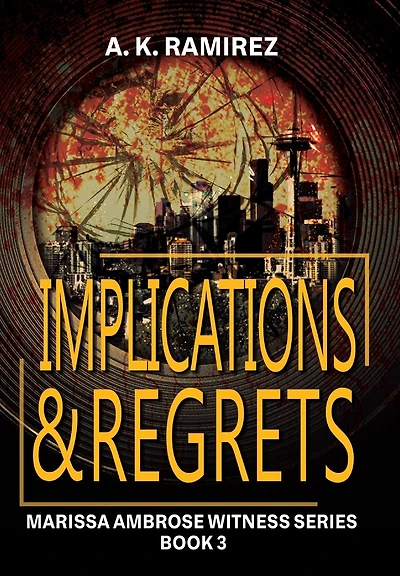









Find at Prairie Mall in Grande Prairie, AB
Visit at Prairie Mall in Grande Prairie, AB