


Gifting Made Simple
Give the Gift of ChoiceClick below to purchase a Prairie Mall eGift Card that can be used at participating retailers at Prairie Mall.Buy Gift CardHome
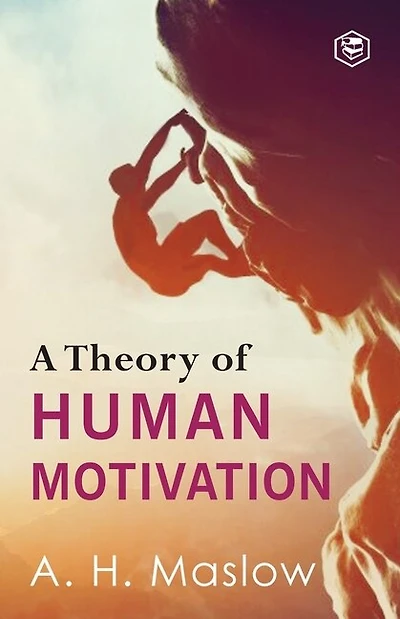
A Theory Of Human Motivation Hardcover
Coles
Loading Inventory...

A Theory Of Human Motivation Hardcover in Grande Prairie, AB
Current price: $34.78
Coles
A Theory Of Human Motivation Hardcover in Grande Prairie, AB
Current price: $34.78
Loading Inventory...
Size: Hardcover
*Product information and pricing may vary - to confirm current pricing, availability, shipping, and return information please contact Coles. In the event of a pricing discrepancy, the retailer's price will apply.
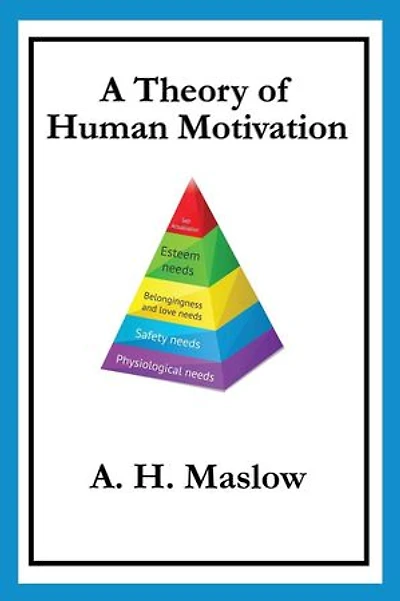
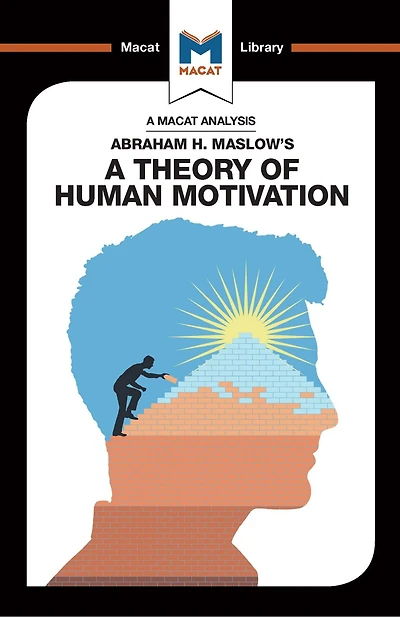
First published in 1943, 'A Theory of Human Motivation' is an article by Abraham H. Maslow, an American psychologist, in which he first introduced his hierarchy of needs, a theory of psychological health predicated on fulfilling inherent human needs in preference, pinnacling in self-actualization. Maslow thereafter expanded the idea to include his observations of humans' inherent curiosity. His theories parallel many other theories of human developmental psychology, some of which concentrate on describing the stages of growth in humans. Maslow explained various needs and used the terms Physiological, Safety, Belongingness, Love, Esteem, Self-Actualization, and Self-Transcendence to define the pattern that human motivations generally move through. Maslow studied what he called ideal people such as Albert Einstein, Jane Addams, Eleanor Roosevelt, and Frederick Douglass rather than mentally sick or unstable people
First published in 1943, 'A Theory of Human Motivation' is an article by Abraham H. Maslow, an American psychologist, in which he first introduced his hierarchy of needs, a theory of psychological health predicated on fulfilling inherent human needs in preference, pinnacling in self-actualization. Maslow thereafter expanded the idea to include his observations of humans' inherent curiosity. His theories parallel many other theories of human developmental psychology, some of which concentrate on describing the stages of growth in humans. Maslow explained various needs and used the terms Physiological, Safety, Belongingness, Love, Esteem, Self-Actualization, and Self-Transcendence to define the pattern that human motivations generally move through. Maslow studied what he called ideal people such as Albert Einstein, Jane Addams, Eleanor Roosevelt, and Frederick Douglass rather than mentally sick or unstable people
You May Also Like










Find at Prairie Mall in Grande Prairie, AB
Visit at Prairie Mall in Grande Prairie, AB