


Gifting Made Simple
Give the Gift of ChoiceClick below to purchase a Prairie Mall eGift Card that can be used at participating retailers at Prairie Mall.Buy Gift CardHome
A Theory of Citizen Equality: Framework for Democratic Citizenship
Coles
Loading Inventory...
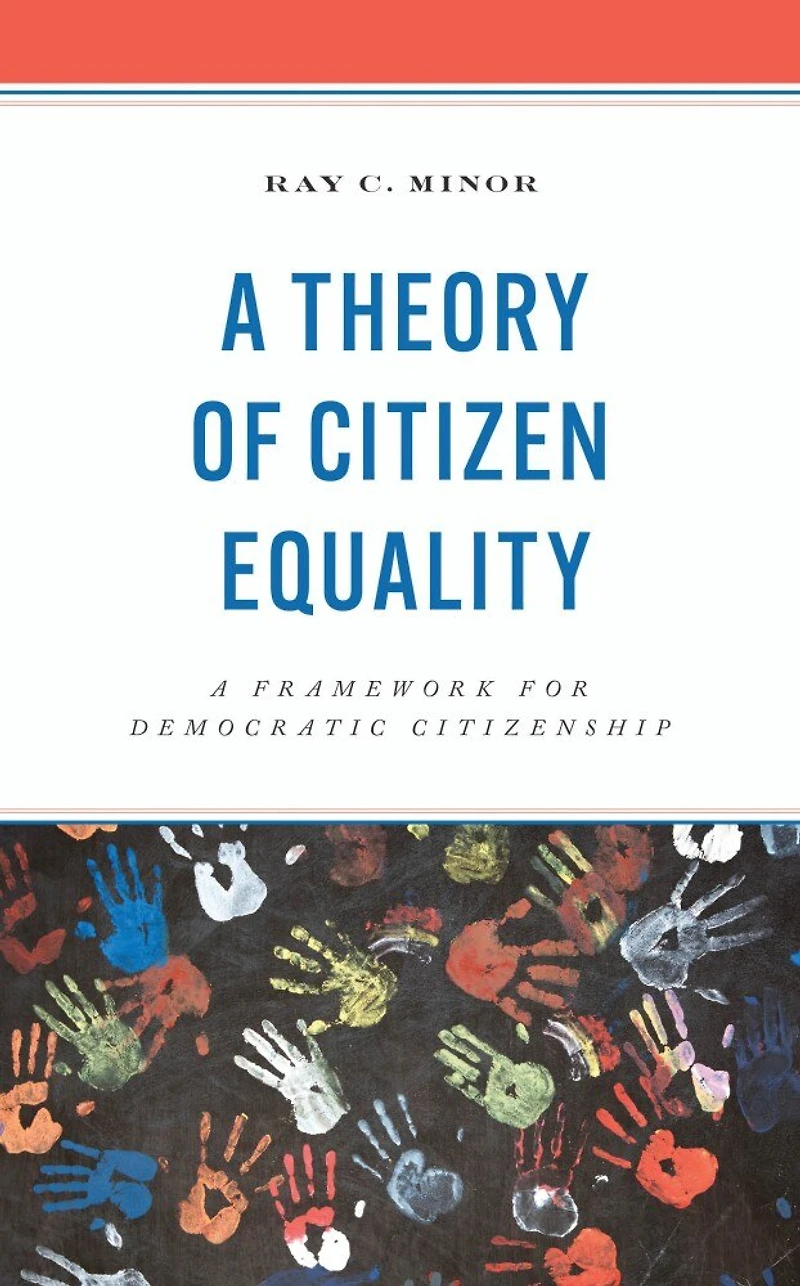
A Theory of Citizen Equality: Framework for Democratic Citizenship in Grande Prairie, AB
Current price: $160.95
Coles
A Theory of Citizen Equality: Framework for Democratic Citizenship in Grande Prairie, AB
Current price: $160.95
Loading Inventory...
Size: Hardcover
*Product information and pricing may vary - to confirm current pricing, availability, shipping, and return information please contact Coles. In the event of a pricing discrepancy, the retailer's price will apply.
A Theory of Citizen Equality: A Framework for Democratic Citizenship advances a theory of citizen equality that provides a roadmap for leveling the playing field. Citizen Equality Model is a broad theoretical approach for establishing justice and equality in a political environment. The theory prioritizes economic, political, religious, and social domains. There are ten total domains with the other six being biological, physiological, psychological, legal, educational, and leisure. If these domains are optimized, then a person has a chance for equality and the benefits of social and economic advantages. It also lists and prescribes thirteen limitations on equality. The theory approaches equality from the viewpoint of citizen as a whole person. In this sense, a citizen is met at their status and assessed to determine requirements for elevation to full equality. The goal is to place citizens in the best position to maximize their ability to attain equality.
A Theory of Citizen Equality: A Framework for Democratic Citizenship advances a theory of citizen equality that provides a roadmap for leveling the playing field. Citizen Equality Model is a broad theoretical approach for establishing justice and equality in a political environment. The theory prioritizes economic, political, religious, and social domains. There are ten total domains with the other six being biological, physiological, psychological, legal, educational, and leisure. If these domains are optimized, then a person has a chance for equality and the benefits of social and economic advantages. It also lists and prescribes thirteen limitations on equality. The theory approaches equality from the viewpoint of citizen as a whole person. In this sense, a citizen is met at their status and assessed to determine requirements for elevation to full equality. The goal is to place citizens in the best position to maximize their ability to attain equality.
You May Also Like














Find at Prairie Mall in Grande Prairie, AB
Visit at Prairie Mall in Grande Prairie, AB