


Gifting Made Simple
Give the Gift of ChoiceClick below to purchase a Prairie Mall eGift Card that can be used at participating retailers at Prairie Mall.Buy Gift CardHome
A Theology of Divine Vulnerability: The Silence that Gives Light
Coles
Loading Inventory...
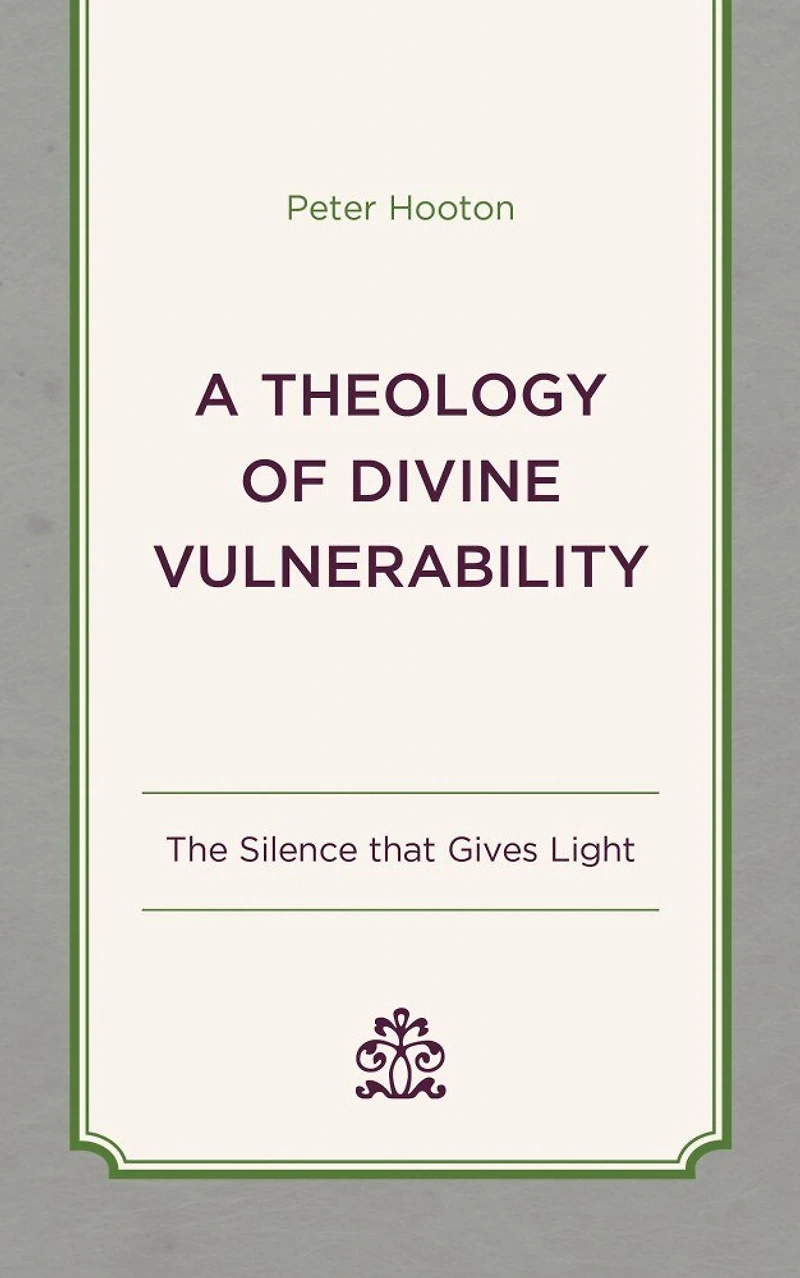
A Theology of Divine Vulnerability: The Silence that Gives Light in Grande Prairie, AB
Current price: $160.95
Coles
A Theology of Divine Vulnerability: The Silence that Gives Light in Grande Prairie, AB
Current price: $160.95
Loading Inventory...
Size: Hardcover
*Product information and pricing may vary - to confirm current pricing, availability, shipping, and return information please contact Coles. In the event of a pricing discrepancy, the retailer's price will apply.
A Theology of Divine Vulnerability: The Silence that Gives Light understands confidence in the idea of God to rest largely on three claims. The first is that God is responsible in some quite fundamental way for the existence of the universe-for the fact that there is anything at all. The second is that God's own existence, and essential goodness, are not vitiated by the presence of evil in the world. And the third is that God knows we are here and shares fully, somehow, in the joys and pains of transient life. Peter Hooton considers these claims on the whole sympathetically. He prefers-to traditional Christian views of God's omnipotence-a more nuanced understanding of God's power and draws on a rich plurality of voices to describe God as much more loving than wrathful, as persuasive rather than coercive, as more passible than impassible, and the Christian's relationship with God as essentially a compassionate participation in the reality signified by the crucified and risen Christ.
A Theology of Divine Vulnerability: The Silence that Gives Light understands confidence in the idea of God to rest largely on three claims. The first is that God is responsible in some quite fundamental way for the existence of the universe-for the fact that there is anything at all. The second is that God's own existence, and essential goodness, are not vitiated by the presence of evil in the world. And the third is that God knows we are here and shares fully, somehow, in the joys and pains of transient life. Peter Hooton considers these claims on the whole sympathetically. He prefers-to traditional Christian views of God's omnipotence-a more nuanced understanding of God's power and draws on a rich plurality of voices to describe God as much more loving than wrathful, as persuasive rather than coercive, as more passible than impassible, and the Christian's relationship with God as essentially a compassionate participation in the reality signified by the crucified and risen Christ.
You May Also Like








Find at Prairie Mall in Grande Prairie, AB
Visit at Prairie Mall in Grande Prairie, AB