


Gifting Made Simple
Give the Gift of ChoiceClick below to purchase a Prairie Mall eGift Card that can be used at participating retailers at Prairie Mall.Buy Gift CardHome
A Table Of Green Fields
Coles
Loading Inventory...
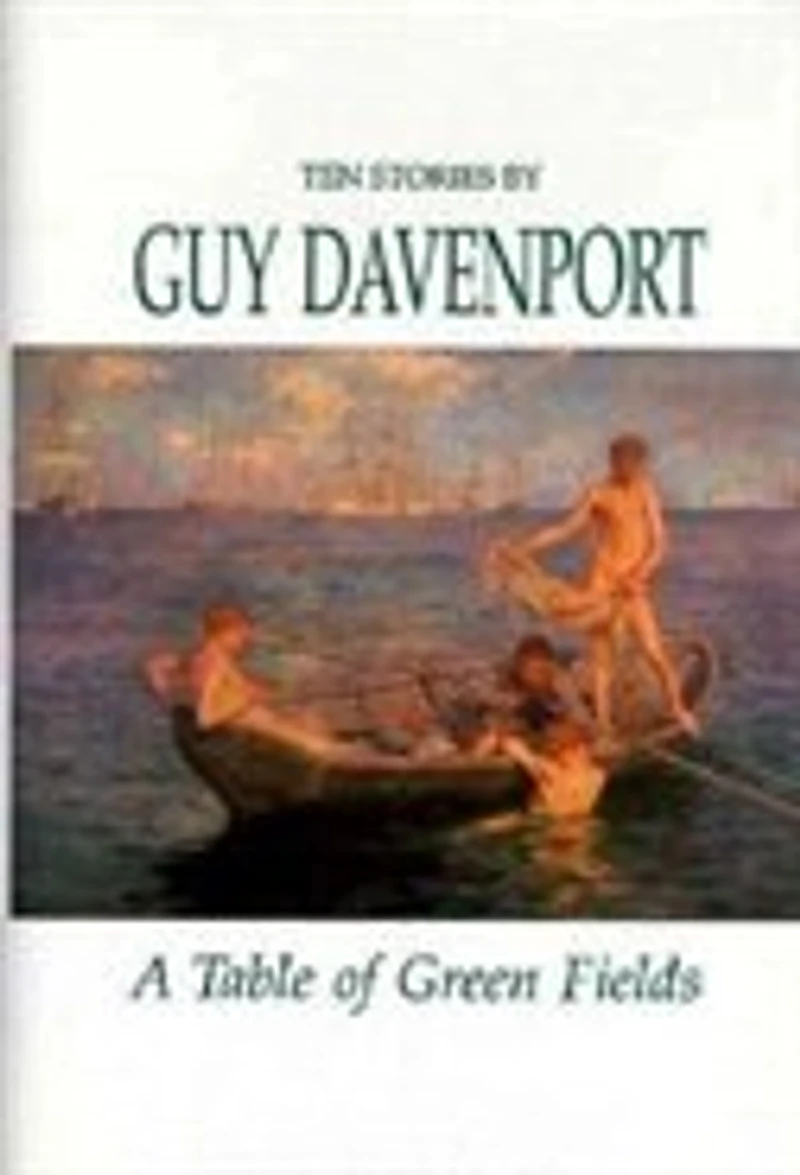
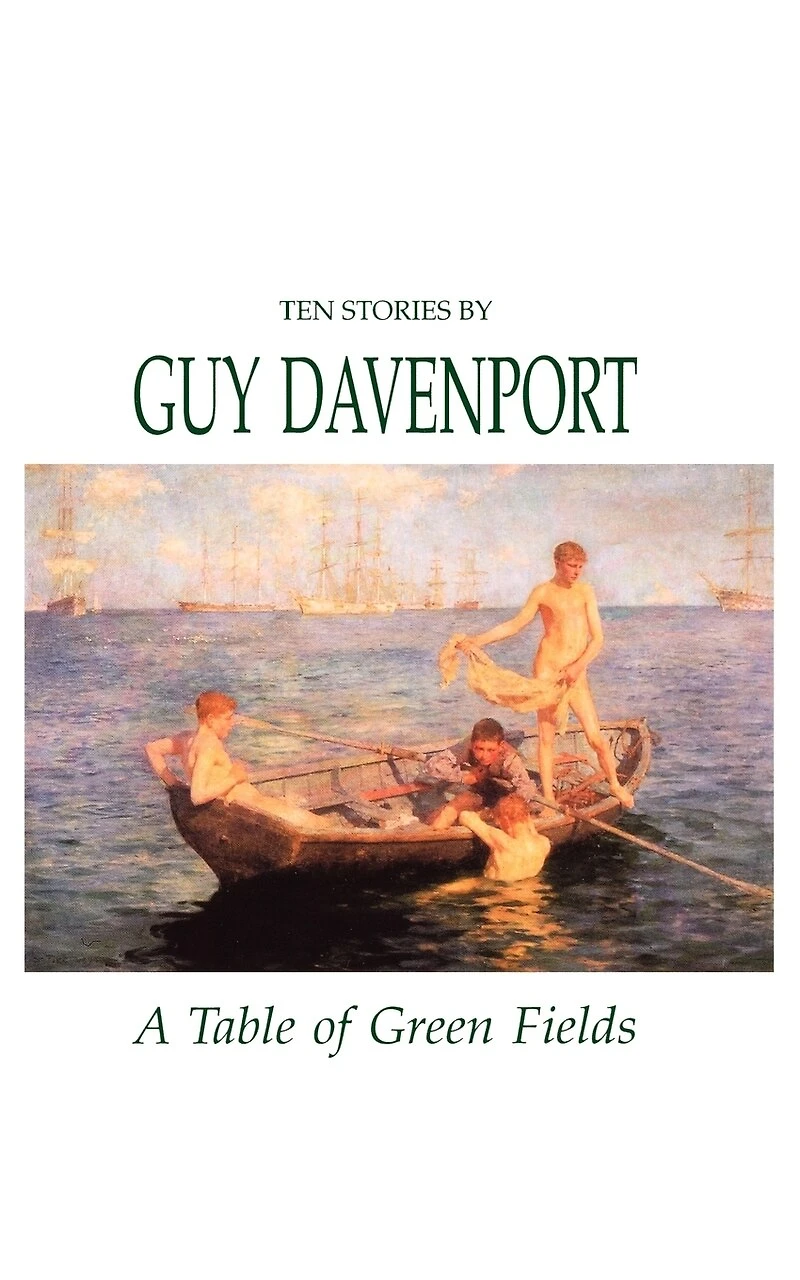
A Table Of Green Fields in Grande Prairie, AB
Current price: $37.95
Coles
A Table Of Green Fields in Grande Prairie, AB
Current price: $37.95
Loading Inventory...
Size: Hardcover
*Product information and pricing may vary - to confirm current pricing, availability, shipping, and return information please contact Coles. In the event of a pricing discrepancy, the retailer's price will apply.
A Table of Green Fields includes ten stories, variously about the painter Henry Scott Tuke, the mathematician James Joseph Sylvester, Kafka, Thoreau, along with some imaginary Frenchmen and Scandinavians, among others. Calculating the infinite in the finite, tracing geometries of desire, placing the obdurate world in an uncustomary light, each of these stories opens out its own world. Without giving up the plot or character of the traditional short story, Guy Davenport's inventions are complex events in which ideas and cultural history are a kind of music to which the characters dance. Despite the fractal, syncopated collage of his narrative style, Davenport's prose is objective, terse, and transparent. A constant theme in this book is the transmission of the past as an imaginative act; hence the title, Falstaff's dying vision of "a table of green fields," probably a mishearing of his recitation of the Twenty-third Psalm, corrected by editors to "he babbled of green fields," a symbol of all fiction, an art that must be exact about the uncertain.
A Table of Green Fields includes ten stories, variously about the painter Henry Scott Tuke, the mathematician James Joseph Sylvester, Kafka, Thoreau, along with some imaginary Frenchmen and Scandinavians, among others. Calculating the infinite in the finite, tracing geometries of desire, placing the obdurate world in an uncustomary light, each of these stories opens out its own world. Without giving up the plot or character of the traditional short story, Guy Davenport's inventions are complex events in which ideas and cultural history are a kind of music to which the characters dance. Despite the fractal, syncopated collage of his narrative style, Davenport's prose is objective, terse, and transparent. A constant theme in this book is the transmission of the past as an imaginative act; hence the title, Falstaff's dying vision of "a table of green fields," probably a mishearing of his recitation of the Twenty-third Psalm, corrected by editors to "he babbled of green fields," a symbol of all fiction, an art that must be exact about the uncertain.
You May Also Like









Find at Prairie Mall in Grande Prairie, AB
Visit at Prairie Mall in Grande Prairie, AB