


Gifting Made Simple
Give the Gift of ChoiceClick below to purchase a Prairie Mall eGift Card that can be used at participating retailers at Prairie Mall.Buy Gift CardHome
A Safavid Armenian Monument: Architectural Hybridity at the Vank Cathedral in Isfahan
Coles
Loading Inventory...
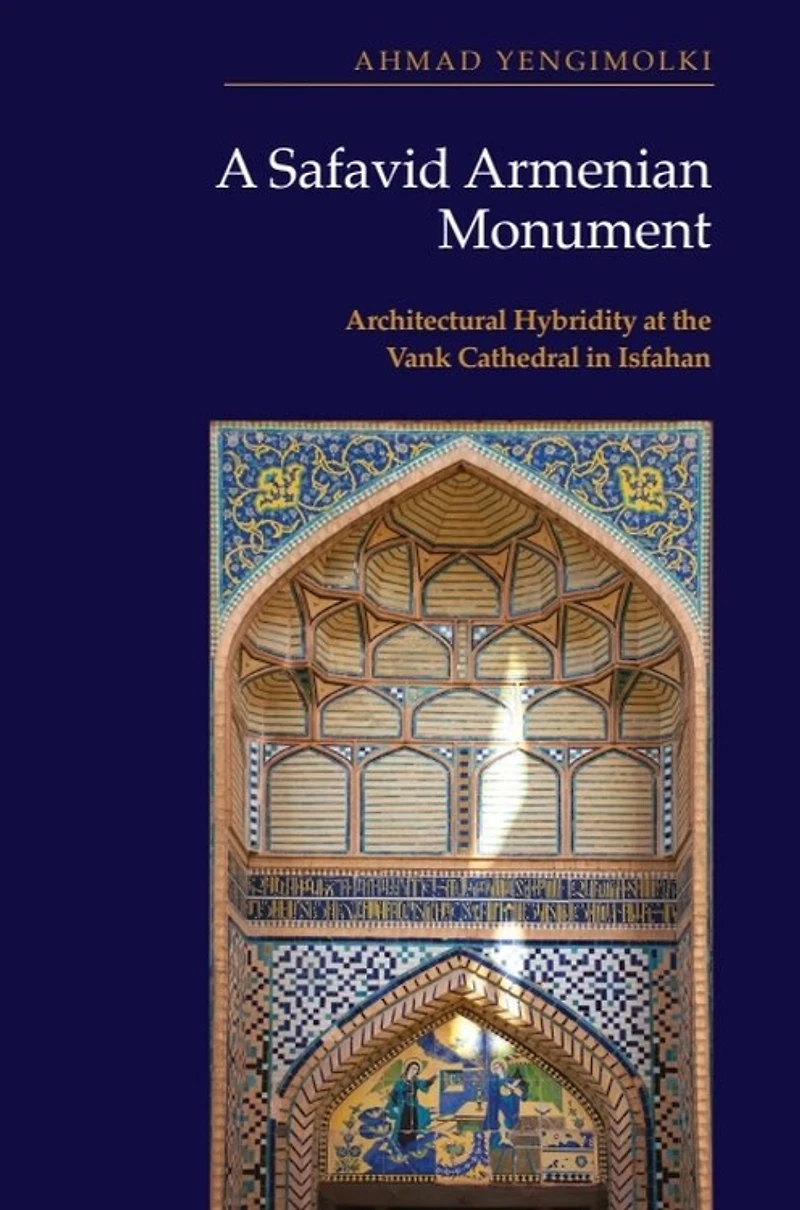
A Safavid Armenian Monument: Architectural Hybridity at the Vank Cathedral in Isfahan in Grande Prairie, AB
Current price: $322.99
Coles
A Safavid Armenian Monument: Architectural Hybridity at the Vank Cathedral in Isfahan in Grande Prairie, AB
Current price: $322.99
Loading Inventory...
Size: Hardcover
*Product information and pricing may vary - to confirm current pricing, availability, shipping, and return information please contact Coles. In the event of a pricing discrepancy, the retailer's price will apply.
This book explores the Vank Cathedral in Isfahan, a relatively well-known yet poorly understood structure. The cathedral’s design, construction and interior decoration display both Safavid and Armenian architectural and artistic features. Notably, it differs significantly from Armenian architectural and wall painting traditions prior to their relocation to Isfahan in 1604. The origins and reasons for these changes remain debated. Despite its significance, the building has not been thoroughly studied in terms of its design, structure and decoration. Ahmad Yengimolki rectifies that gap by examining Vank Cathedral within the context of seventeenth-century Safavid architecture and earlier Armenian churches, aiming to enhance our understanding of its form and appearance.
Given the wide dispersion of Armenian communities – including those in New Julfa, Constantinople, Aleppo and Amsterdam – the book also investigates the connections among these communities. This broader analysis helps contextualise the Armenian imagery found in Isfahan during the seventeenth century. The exterior architecture and interior decoration are analysed as an integrated whole which reveals the cathedral as a unique product of cultural synthesis, transcending conventional labels such as 'Armenian,' 'Islamic' or 'European' by situating it within the broader visual, religious and political context of seventeenth-century Safavid Iran. Furthermore, Yengimolki provides a systematic survey of the cathedral’s murals and their iconography, a contribution not previously undertaken in any other work.
This book explores the Vank Cathedral in Isfahan, a relatively well-known yet poorly understood structure. The cathedral’s design, construction and interior decoration display both Safavid and Armenian architectural and artistic features. Notably, it differs significantly from Armenian architectural and wall painting traditions prior to their relocation to Isfahan in 1604. The origins and reasons for these changes remain debated. Despite its significance, the building has not been thoroughly studied in terms of its design, structure and decoration. Ahmad Yengimolki rectifies that gap by examining Vank Cathedral within the context of seventeenth-century Safavid architecture and earlier Armenian churches, aiming to enhance our understanding of its form and appearance.
Given the wide dispersion of Armenian communities – including those in New Julfa, Constantinople, Aleppo and Amsterdam – the book also investigates the connections among these communities. This broader analysis helps contextualise the Armenian imagery found in Isfahan during the seventeenth century. The exterior architecture and interior decoration are analysed as an integrated whole which reveals the cathedral as a unique product of cultural synthesis, transcending conventional labels such as 'Armenian,' 'Islamic' or 'European' by situating it within the broader visual, religious and political context of seventeenth-century Safavid Iran. Furthermore, Yengimolki provides a systematic survey of the cathedral’s murals and their iconography, a contribution not previously undertaken in any other work.
You May Also Like

















Find at Prairie Mall in Grande Prairie, AB
Visit at Prairie Mall in Grande Prairie, AB