


Gifting Made Simple
Give the Gift of ChoiceClick below to purchase a Prairie Mall eGift Card that can be used at participating retailers at Prairie Mall.Buy Gift CardHome
A Revolution in Language: The Problem of Signs in Late Eighteenth-Century France
Coles
Loading Inventory...
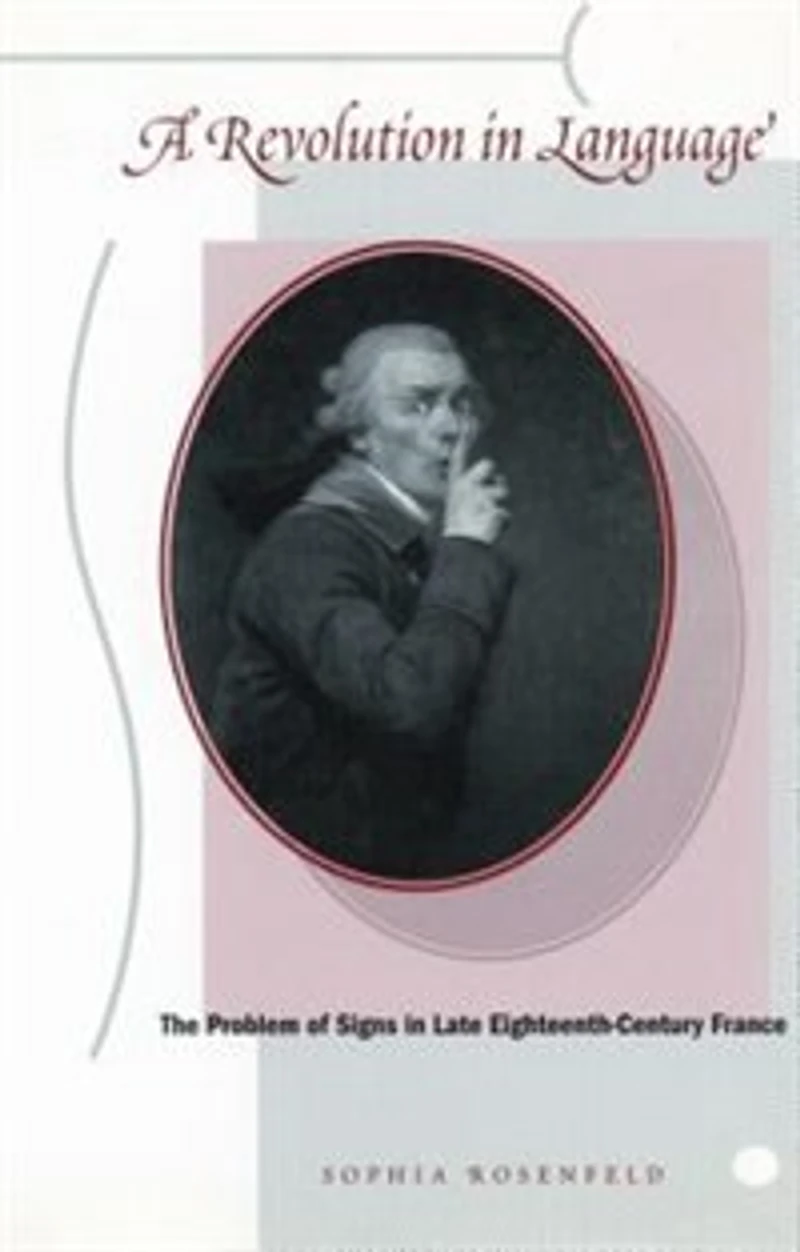
A Revolution in Language: The Problem of Signs in Late Eighteenth-Century France in Grande Prairie, AB
Current price: $52.99
Coles
A Revolution in Language: The Problem of Signs in Late Eighteenth-Century France in Grande Prairie, AB
Current price: $52.99
Loading Inventory...
Size: Paperback
*Product information and pricing may vary - to confirm current pricing, availability, shipping, and return information please contact Coles. In the event of a pricing discrepancy, the retailer's price will apply.
What is the relationship between the ideas of the Enlightenment and the culture and ideology of the French Revolution? This book takes up that classic question by concentrating on changing conceptions of language and, especially, signs during the second half of the eighteenth century.
The author traces, first, the emergence of a new interest in the possibility of gestural communication within the philosophy, theater, and pedagogy of the last decades of the Old Regime. She then explores the varied uses and significance of a variety of semiotic experiments, including the development of a sign language for the deaf, within the language politics of the Revolution.
A Revolution in Language shows not only that many key revolutionary thinkers were unusually preoccupied by questions of language, but also that prevailing assumptions about words and other signs profoundly shaped revolutionaries' efforts to imagine and to institute an ideal polity between 1789 and the start of the new century. This book reveals the links between Enlightenment epistemology and the development of modern French political culture.
What is the relationship between the ideas of the Enlightenment and the culture and ideology of the French Revolution? This book takes up that classic question by concentrating on changing conceptions of language and, especially, signs during the second half of the eighteenth century.
The author traces, first, the emergence of a new interest in the possibility of gestural communication within the philosophy, theater, and pedagogy of the last decades of the Old Regime. She then explores the varied uses and significance of a variety of semiotic experiments, including the development of a sign language for the deaf, within the language politics of the Revolution.
A Revolution in Language shows not only that many key revolutionary thinkers were unusually preoccupied by questions of language, but also that prevailing assumptions about words and other signs profoundly shaped revolutionaries' efforts to imagine and to institute an ideal polity between 1789 and the start of the new century. This book reveals the links between Enlightenment epistemology and the development of modern French political culture.
You May Also Like














Find at Prairie Mall in Grande Prairie, AB
Visit at Prairie Mall in Grande Prairie, AB