


Gifting Made Simple
Give the Gift of ChoiceClick below to purchase a Prairie Mall eGift Card that can be used at participating retailers at Prairie Mall.Buy Gift CardHome
A Red Badge of Cotton: The Treasonous Trade that Clothed the Union Army
Coles
Loading Inventory...
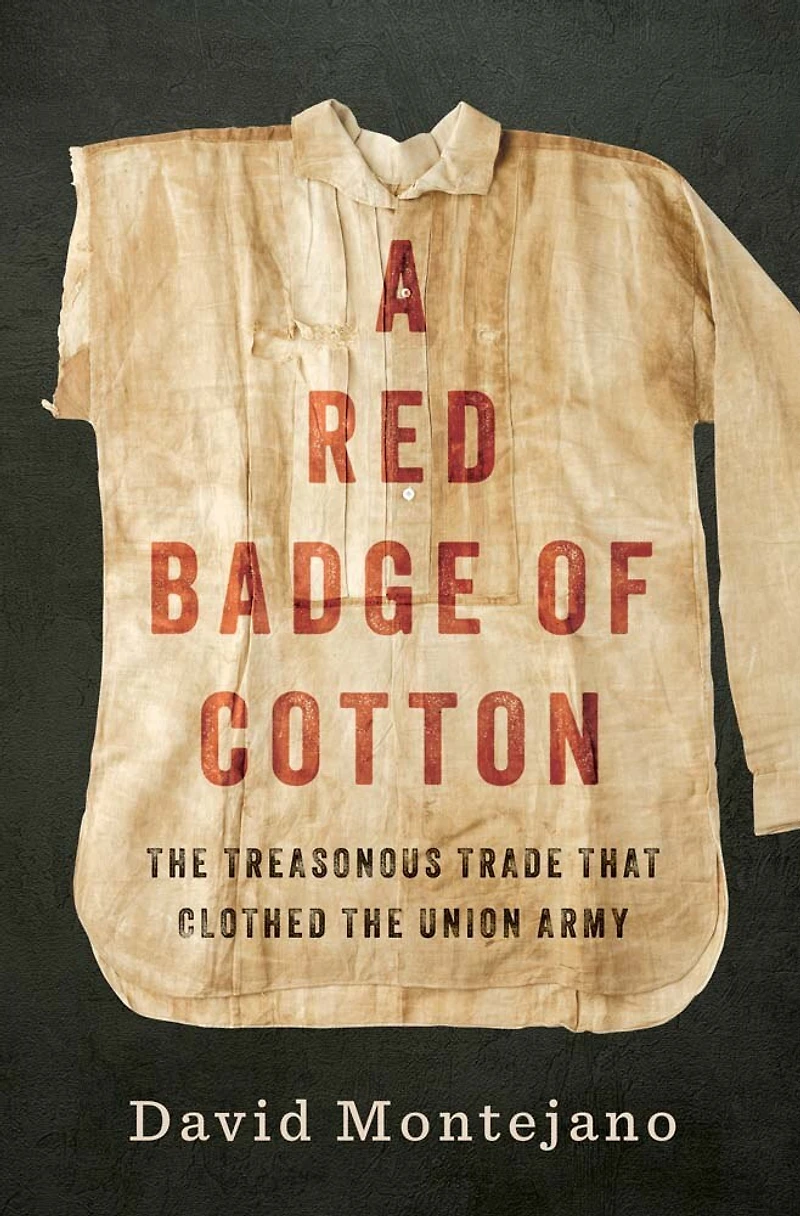
A Red Badge of Cotton: The Treasonous Trade that Clothed the Union Army in Grande Prairie, AB
Current price: $45.50
Coles
A Red Badge of Cotton: The Treasonous Trade that Clothed the Union Army in Grande Prairie, AB
Current price: $45.50
Loading Inventory...
Size: Hardcover
*Product information and pricing may vary - to confirm current pricing, availability, shipping, and return information please contact Coles. In the event of a pricing discrepancy, the retailer's price will apply.
How Confederate cotton journeyed from Texas plantation to New England mill to become a Union uniform on a Virginia battlefield The bloodstained shirt of the Union soldier has long been celebrated as a “red badge of courage.” Yet seen as a finished cotton product, the shirt reveals a meaning not of heroism but of wartime opportunism and profiteering. After trade between North and South was outlawed, merchants established a new supply chain to link the cotton plantations of Louisiana and Texas to the merchants of New York and the mills of the Northeast. In the neutral Mexican port of Matamoros, northern agents bought “Mexican cotton” from Confederate merchants for processing in New England. The entire outfit of the Union soldier—shirt, underwear, sleeping bag, tent, knapsack, and even the regimental flags—was composed in part of southern cotton. In a literal sense, the Confederacy was fighting a Union army it was also clothing and sheltering. David Montejano traces the wartime trade in cotton from its origin to the battlefield. He does not show the invisible hand of the market but tells the stories of the countless human hands that touched the raw cotton—the slaves, planters, merchants, teamsters, mariners, mill workers—to describe barely disguised connections between the western Confederacy and the northern mill industry during the Civil War.
How Confederate cotton journeyed from Texas plantation to New England mill to become a Union uniform on a Virginia battlefield The bloodstained shirt of the Union soldier has long been celebrated as a “red badge of courage.” Yet seen as a finished cotton product, the shirt reveals a meaning not of heroism but of wartime opportunism and profiteering. After trade between North and South was outlawed, merchants established a new supply chain to link the cotton plantations of Louisiana and Texas to the merchants of New York and the mills of the Northeast. In the neutral Mexican port of Matamoros, northern agents bought “Mexican cotton” from Confederate merchants for processing in New England. The entire outfit of the Union soldier—shirt, underwear, sleeping bag, tent, knapsack, and even the regimental flags—was composed in part of southern cotton. In a literal sense, the Confederacy was fighting a Union army it was also clothing and sheltering. David Montejano traces the wartime trade in cotton from its origin to the battlefield. He does not show the invisible hand of the market but tells the stories of the countless human hands that touched the raw cotton—the slaves, planters, merchants, teamsters, mariners, mill workers—to describe barely disguised connections between the western Confederacy and the northern mill industry during the Civil War.









Find at Prairie Mall in Grande Prairie, AB
Visit at Prairie Mall in Grande Prairie, AB