


Gifting Made Simple
Give the Gift of ChoiceClick below to purchase a Prairie Mall eGift Card that can be used at participating retailers at Prairie Mall.Buy Gift CardHome
A Political History of the House of Lords, 1811-1846: From the Regency to Corn Law Repeal
Coles
Loading Inventory...
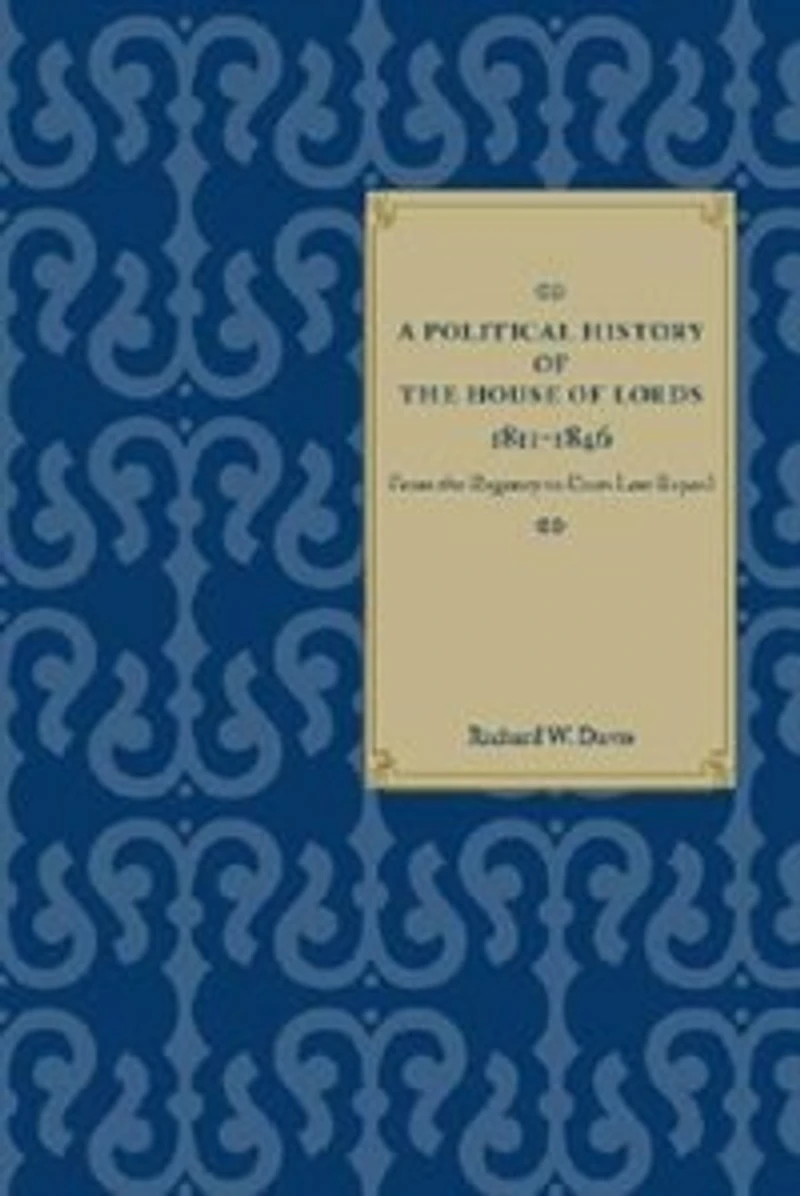
A Political History of the House of Lords, 1811-1846: From the Regency to Corn Law Repeal in Grande Prairie, AB
Current price: $124.99
Coles
A Political History of the House of Lords, 1811-1846: From the Regency to Corn Law Repeal in Grande Prairie, AB
Current price: $124.99
Loading Inventory...
Size: Hardcover
*Product information and pricing may vary - to confirm current pricing, availability, shipping, and return information please contact Coles. In the event of a pricing discrepancy, the retailer's price will apply.
The history of England's House of Lords in the nineteenth century has been largely misunderstood or ignored by historians. Richard W. Davis argues that the Lords were not primarily reactionary or obstructive, but rather a House in which much beneficial legislation was enacted. More conservative in political questions than the Commons perhaps, the Lords at least equaled them in compassion for the poor and suffering. While many historians also argue that after the Reform Act of 1832 the Lords had little real power, the Lords actually had precisely the same power after the Act as before: a bill could become law only after it passed both Houses of Parliament. They also had the power of veto and used it, particularly from 1833 to 1841 after the passage of the Act that is supposed to have so weakened them. The Whig House of Commons did not appreciate the actions of the Conservative majority in the Lords, but the electorate, becoming more conservative with every election, cared not at all.
The history of England's House of Lords in the nineteenth century has been largely misunderstood or ignored by historians. Richard W. Davis argues that the Lords were not primarily reactionary or obstructive, but rather a House in which much beneficial legislation was enacted. More conservative in political questions than the Commons perhaps, the Lords at least equaled them in compassion for the poor and suffering. While many historians also argue that after the Reform Act of 1832 the Lords had little real power, the Lords actually had precisely the same power after the Act as before: a bill could become law only after it passed both Houses of Parliament. They also had the power of veto and used it, particularly from 1833 to 1841 after the passage of the Act that is supposed to have so weakened them. The Whig House of Commons did not appreciate the actions of the Conservative majority in the Lords, but the electorate, becoming more conservative with every election, cared not at all.
You May Also Like














Find at Prairie Mall in Grande Prairie, AB
Visit at Prairie Mall in Grande Prairie, AB