


Gifting Made Simple
Give the Gift of ChoiceClick below to purchase a Prairie Mall eGift Card that can be used at participating retailers at Prairie Mall.Buy Gift CardHome
A Place with No Reason
Coles
Loading Inventory...
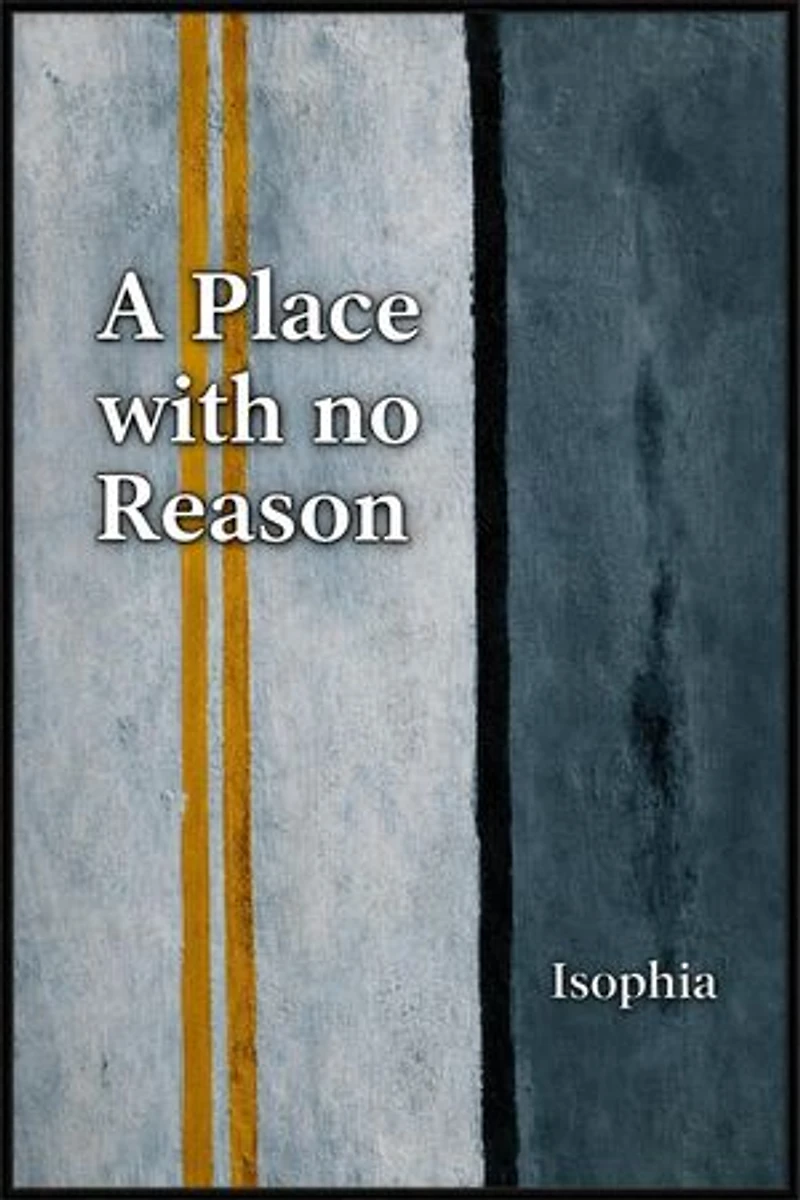
A Place with No Reason in Grande Prairie, AB
Current price: $6.99
Coles
A Place with No Reason in Grande Prairie, AB
Current price: $6.99
Loading Inventory...
Size: Kobo eBook
*Product information and pricing may vary - to confirm current pricing, availability, shipping, and return information please contact Coles. In the event of a pricing discrepancy, the retailer's price will apply.
Movement is often imagined as escape, but what presses closer here is not distance—it is memory. Departure begins not with hope, but with the sustained exhaustion of remaining.
A Place with No Reason follows a solitary narrator whose desire to move persists without ever securing a sufficient reason. The story unfolds through repetition, hesitation, and the appearance of unstable figures—an amoeba, imagined witnesses, remnants of abandoned relations—that do not function as symbols to be solved, but as pressures shaping the conditions of movement itself. Memory operates not as recollection, but as a force that inscribes itself onto the body, repeating even where erasure is desired. The narrative resists resolution, offering neither catharsis nor arrival. Instead, it remains with the act of turning toward a place that cannot fully be reached, carrying forward what was meant to be left behind. Movement is presented not as progress, but as a state continually negotiated.
Movement is often imagined as escape, but what presses closer here is not distance—it is memory. Departure begins not with hope, but with the sustained exhaustion of remaining.
A Place with No Reason follows a solitary narrator whose desire to move persists without ever securing a sufficient reason. The story unfolds through repetition, hesitation, and the appearance of unstable figures—an amoeba, imagined witnesses, remnants of abandoned relations—that do not function as symbols to be solved, but as pressures shaping the conditions of movement itself. Memory operates not as recollection, but as a force that inscribes itself onto the body, repeating even where erasure is desired. The narrative resists resolution, offering neither catharsis nor arrival. Instead, it remains with the act of turning toward a place that cannot fully be reached, carrying forward what was meant to be left behind. Movement is presented not as progress, but as a state continually negotiated.
You May Also Like














Find at Prairie Mall in Grande Prairie, AB
Visit at Prairie Mall in Grande Prairie, AB